
Better Care for Mothers and Children Through Community Support
A healthy mother and a healthy child are the foundation of a healthy family.Therefore, a healthy family helps build a stronger community. Maternal and child health is not only about hospitals, doctors, and medicines but also It is about the daily support a woman receives over the period of pregnancy, childbirth, and even after delivery.

It further includes the care a newborn acquires at home, the guidance parents obtain from professional health workers, and the way a community responds when a mother or child demands proper help.
Many health problems eventually affect the mothers and children as well though we can prevent it in a way when care reaches families early.In accordance with the World Health Organization, most maternal deaths are actually preventable when women have enough access to quality care throughout pregnancy, childbirth, and the period after birth namely postpartum period.
UNICEF also reports that millions of children still die before their fifth birthday, and many of these deaths are indeed preventable through reliable, low-cost health interventions and better access to quality care.
This is where community support becomes a powerful thing. Community support in fact brings care closer to families. It also helps mothers understand danger signs, encourages families to seek timely treatment, promotes good nutrition and supports immunization as well.It also reduces the gap between homes and necessary health facilities.
Assessment of Maternal and Child Health Systems
Maternal health refers to the health of women over the period of pregnancy, childbirth, and the postnatal period. Child health mainly focuses on the welfare of newborns, infants, and also the young children. Experts often connect these two areas closely because the health of a mother directly affects the overall health of her baby.
For example, if a pregnant woman does not receive proper nutrition, regular checkups, or actual treatment for infections, her baby may face a higher risk of low birth weight or premature birth and illness or death.
Similarly, if a mother does not receive proper support she demands after childbirth, both she and her newborn may be at high risk. This is why we must emphasise maternal and child health as one continuous journey, not as separate issues.
The journey in fact begins before pregnancy that continues through antenatal care, safe delivery, postnatal care, lactational period.Moreover it further continues its run towards immunization, nutrition, and early childhood development. At every stage, community support can make care more accessible, understandable, and practical that eventually ensures the safety of both mother and child.
Read More: Care for Mother and Children
What is Care Network in Community Support
A unique way to understand care that is mainly on the basis of community care is to imagine it as a “Network of caregivers”around the mother and child. In the center of the circle,there actually exists the mother with the baby and family.
Around them are community health workers, there are midwives, local clinics and women’s groups.It also involves teachers, religious leaders and neighbors as well as local organizations.Each part of the circle has a significant role to support the community health workers. Community health workers may visit homes regularly and provide necessary health education.
Midwives and nurses may offer skillful care throughout pregnancy and after the childbirth as well. Local leaders may help reduce harmful myths that exist in society and encourage families to use essential health services. Women’s groups may support new mothers emotionally and socially as well that can help them improve their health status. Schools and community centers may spread messages among mothers about proper hygiene, nutrition, and child safety.
When this circle works well, mothers and children are less likely to be left alone at the time of critical moments. Instead, the people who know their language and understand their culture as well as timely needs in fact support them in their crisis moment.
The Optimal Antenatal Care and Management
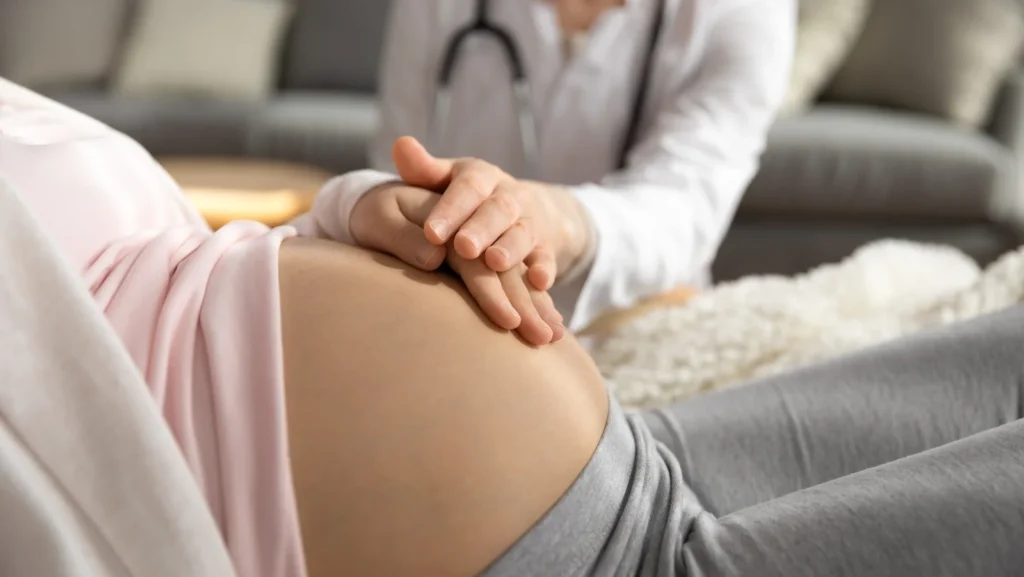
Antenatal care is the care that a woman receives throughout the pregnancy period. It is one of the most important ways to protect both mother and baby from many harmful impacts. Through antenatal visits, health workers can check the mother’s blood pressure and can also monitor the baby’s growth.
They also further provide nutrition advice that can help identify danger signs and prepare the family for safe delivery.The WHO explains that antenatal care provides a platform for health promotion as well as diagnosis and disease prevention.It also helps to perform proper screen tests and bridge communication gaps between women and families at the time of a critical time.
However, women may miss antenatal care in many communities because of its long distance and high cost of treatments.It also involves lack of transport with family restrictions and there also exists fear or shortage of information as well.
Community support can ultimately solve many of these barriers from the community. A trained and professional community health worker can remind pregnant women about appointments and explain why checkups matter in this period.Thus it helps families plan transport and connect high-risk pregnancies to health facilities.
In some areas, community groups can actually help organize transport funds or some emergency support systems so that women can reach care quickly when complications arise in emergencies.
Importance of Preparation for Safe Delivery in Obstetric Emergencies
Childbirth should be a safe moment, but it can become a dangerous one when skilful and professional care is not available to serve the mother. Complications such as heavy bleeding at the time of delivery and high blood pressure with infection as well as obstruction at the time of delivery can ultimately threaten life if we do not treat those quickly and can not take timely actions.
Health organizations emphasize that skilful care at the time of childbirth which is actually essential for the prevention of maternal and newborn deaths.Community support helps families ensure the preparation before any emergency happens.
Birth preparedness and proper preparation may in fact mean how we choose a health facility and save money for transport as well as identify a blood donor when it demands.Moreover it also signifies how we arrange childcare for older children and know who to call over the period of labor. These simple steps can save precious time and help improve the outcome.
Community leaders can also help as they can encourage families to support delivery on the basis of facilities when appropriate and thus they can reduce harmful beliefs that delay care. In some communities,we may expect women to give birth at home because of tradition or family pressure in that community.
Respectful education can help families understand that safe delivery is not only a medical issue but also it includes a family responsibility of the members.
The Priority of Postnatal Phase
We often overlook the days and weeks after childbirth, but they are extremely important for the health outcome. A mother may face bleeding problems, infection as well as pain, depression and encounter difficulties to breast feed or exhaustion. A newborn may face problems in breathing properly.Moreover they get infections with jaundice and may feed poorly or may have low body temperature.
The care on the basis of community can make a major difference throughout this period. Home visits by skilful and professional health workers can help identify danger signs early. They can check whether the baby feeds well or not and whether the mother recovers well or not.Moreover whether the family understands hygiene and warmth for the newborn.
Postnatal care also gives mothers necessary emotional support. Many women feel isolated after the delivery of the baby. Some may experience anxiety or sadness but may not know how to talk about it. Community support groups can create safe spaces where mothers can share experiences or can ask questions and receive essential encouragement.
The Need of Good Nutrition for Maternal and Child Health
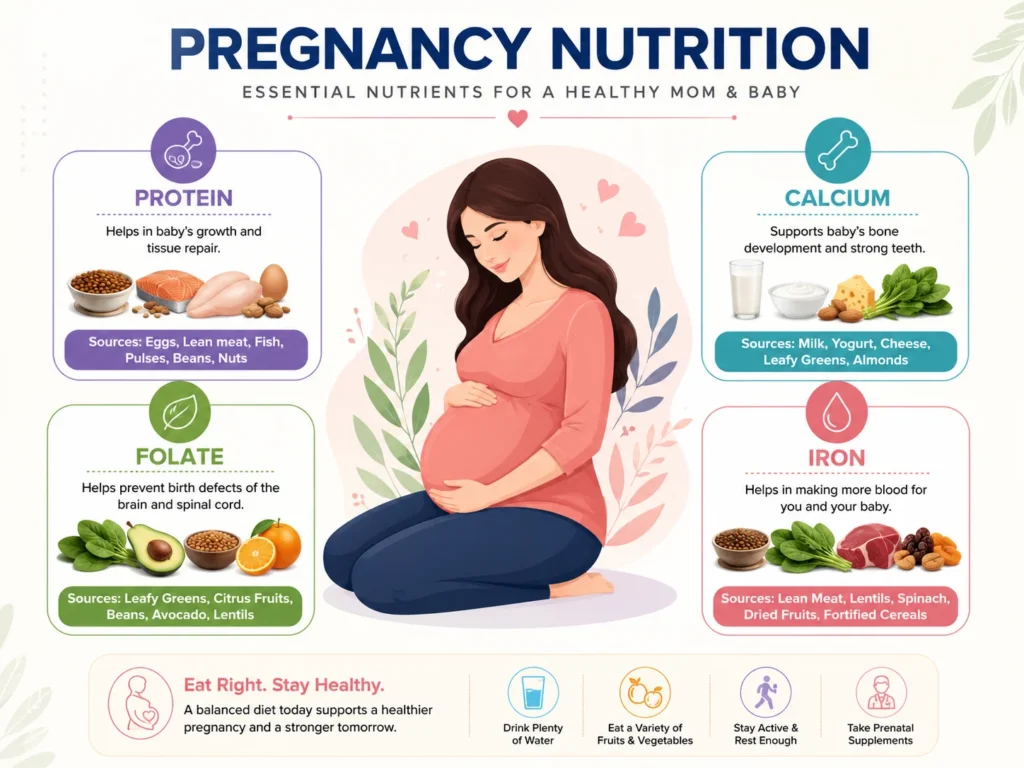
Good nutrition is one of the strongest pillars of the assurance of maternal and child health in the communities. A pregnant woman eventually needs enough nutritious food to support her own body and the growth of her baby properly. After birth, appropriate lactation maintenance gives infants important nutrients which provide protection against illness and other infection.
As children grow, they need more balanced and nutritious foods to support their brain and help body development and immune system.Community support can significantly improve nutrition in practical ways. Health workers can teach families about iron-rich foods, clean water and guide exclusive breastfeeding.They also educate them about the need for complementary food supplements and food safety.
Local women’s groups can also share affordable meal ideas as they often use locally available foods and supplements. Community gardens can significantly improve access to various vegetables and fruits. Schools and local centers can promote nutrition education to the members of the communities.
Nutrition education should not blame mothers. In many households, women may eat last or have least control over food choices. Therefore, nutrition programs should include husbands, grandparents, and other family decision-makers. When the whole family understands the importance of nutrition for the mothers and children,it will definitely help them receive better support.
Public Health Protection through Preventive Immunization
Vaccination is one of the most effective ways to protect children from any kind of serious diseases that can lower the health status of the children. Yet some children casually miss vaccines because of their families, who generally lack proper information with the fear of side effects. The families also live far from clinics and sometimes they face social barriers as well.
Community health workers can help parents in a way as they remind them about vaccination dates and also explain the benefits of vaccines.They also can correct the misinformations among the people.
Local leaders can support immunization campaigns as they can encourage the trust and reliance in people. Mobile clinics and community outreach programs can certainly bring services closer to families who live far from health centers and lack proper information.
Disease prevention also includes hygiene, sanitation with clean water and mosquito control. It ensures early treatment for fever, diarrhea and cough.It also involves the early access of treatment to those who face difficulty breathing properly. These actions may seem simple, but they can prevent serious illness when we are able to practise it consistently and can transmit it through community support..
The Roles of Community Health Workforce
Community health workers are often the bridge between families and the formal health system in the community. They may not eventually be able to replace doctors or nurses, but they definitely play an important role in education programs and follow-up.They also ensure basic screening with referrals and can give proper emotional support.
Research shows that community health worker interventions are as effective as it can improve the knowledge that can correlate with pregnancy and infant health and thus it helps improve the health status of mother and children.It further increases antenatal care use and supports maternal and child health outcomes.
Another study on community health workers in several countries suggest that they can provide different maternal and newborn health services in the communities.Importantly their roles,practices and responsibilities may vary across settings in the communities.
If we want to make our community health workers very effective, we must provide them with proper practice sessions and supervision with supplies .We must give them fair payment or incentives with proper respect from the health system.
We should not expect to carry them the burden of community health without community support. A strong community health worker program requires suitable investment that has clear responsibilities and it also demands accurate teamwork with clinics and hospitals.
Discover more here: Genes in Cancer genesis
Supportive Care Improve Maternal Emotional and Social Needs
Maternal and child health not only involves physical health but also it includes emotional wellbeing matters too. Pregnancy and motherhood can bring joy to the family, but they can also bring fear and stress.It also brings financial pressure with relationship problems and sometimes loneliness as well.
Community support can considerably reduce this burden to the family. Mother-to-mother groups, family counseling with peer support and home visits can also help women feel more comfortable and valuable to the family. These supports are especially important for young and single mothers who have disabilities as well as migrant families and live in poverty with conflict in the family.
A community which cares perfectly can notice a mother when she struggles in the family and society as well. It does not shame her rather It helps her find actual support. Emotional care can improve confidence and help breastfeed the child to make a strong bond that ensures the overall wellbeing of both mother and child.
Optimization of Healthcare Service Accessibility
Community support is so powerful that we must connect it to quality health services. If a community health worker identifies a danger sign but the clinic has no medicine with no staff, or does not have a proper transport system, the mother or child may still suffer.
Better care demands strong links between communities and health facilities. This includes referral systems, emergency transport as well as respectful treatment at clinics, affordable services, reliable medicine supply with skilful health workers, and good communication.
WHO notes that if we properly educate and train the health workers properly,it will definitely improve the quality of care and reduce maternal and newborn mortality. Community support works best when it connects families to skilful and professional care rather than we replace it.
Inclusive Support for Vulnerable Communities
There are not all mothers and children who actually face the same risks at the time. Families who live in poverty and in remote areas can actually face greater barriers.Moreover the families with informal settlements and live in conflict zones or borderline communities often possess higher risks.They sometimes may have less access to clinics and clean water. Furthermore they generally lack transport and nutritious food with shortages of health information.
A strong approach on the basis of community must pay special attention to these families. It in fact investigates whether there is any mismanagement of care or not.It also inquires where it lacks actually and also investigates those mothers who give birth without proper support and assurance as well as proper vaccination to the children.
Equity means affirmation of more support to those populations who face more barriers and struggles. This may include mobile clinics, free transport and community funds.The appropriate translation services with proper disability-inclusive care and outreach to isolated households can also help improve the health status of the communities.
How a Holistic Framework can Affect Community Care Delivery
We can actually build a useful structure for the improvement of both maternal and child health through community support around five suitable actions.These actions comprises:
Identification of candidates who need care
Communities should at first identify pregnant women, newborns and children who need special care. We can achieve these goals through home visits and proper local records. These goals also demand women’s groups and coordination with clinics as well.
Ensurance of proper education
Families should at least receive simple information about pregnancy care and safe delivery.The also must know how to breastfeed babies and how to ensure proper immunization and hygiene.Moreover they need to know the importance of nutrition that can help overcome the danger signs.
Connection of all participants
Community health workers should connect families to clinics, skilful and professional birth attendants who can provide actual emergency transport.They also link social support and the access of government or nonprofit services.
Regular continuation of Follow Ups
We should not stop the regularity to take care after one visit. Mothers and children need regular follow-ups over the period of pregnancy and even after birth as well as throughout early childhood.
Improvement with upgrade of current scenario
Communities should regularly review what actually works for the society and what does not actually help it.We should regularly check whether women attend the antenatal care or they fail to check in time.We must ensure the proper vaccination programme and also collaborate with local feedback that ultimately helps improve community services.
Operational Challenges in Community Health Programs
Although community support is valuable and effective, it also faces challenges and problems to deliver it among people in the community. Some communities generally lack skilful and professional health workers.In contrast, others lack strong referral systems and also have poor transport.They also possess narrow financial structure and have shortages of proper medicines to supply as well. Cultural barriers with gender inequality and misinformation with lack of trust can also play an important role that can help reduce the success of health programs.
Another challenge erupts which can have a bigger impact as we usually overload community health workers. If we force them to do too many tasks without reasonable payment and supplies or supervision, the quality of care will definitely suffer in return.We must carefully plan the care programs that mainly have a basis on community.By this way ,we can make the responsibilities realistic and sustainable.
Data collection is another important task in this case. Without accurate data and records, it is difficult to know which mothers and children actually demand care and proper support. Simple community health records can eventually help track pregnancies and births with immunizations as well as nutrition status with referrals.
How Community provide Support A Long-Term Support
Communities can actually provide proper support to both mothers and children.When we are able to achieve that support, the benefits will certainly help improve the overall health. Children who survive and grow well in the family and communities are more likely to learn attentively.These children can also play well and become successful in school as well.
Mothers who receive the appropriate support are more likely to recover well and they also take proper care for their families.Moreover they can also participate in different types of community events. Families usually spend less money on preventable illness though it can actually be avoidable by proper policies and support. Health systems become stronger because we can detect problems earlier and also take necessary actions as soon as possible.
Community support also helps build trust and reliance among people. Families become more comfortable and also get assurance as they can easily seek proper medical care. Health workers in fact understand community demands and needs better. Local leaders become partners in health programmes that can ultimately help improve the health status of people. Over the course of time, this support and trust make the community more fit and knowledgeable.
The bottom line
Better care for mothers and children not only begins only in hospitals but It begins at home, in families as well as in neighborhoods, and in the everyday actions of the community. It starts when the community health workers encourage pregnant women to attend checkups and prepare a family for safe delivery.
Moreover they also ensure a newborn receives early care at the time of vaccination of the child and supports a mother emotionally after birth.Community support cannot replace skilful and professional medical care, but it can make skilful care easier to reach,accessible and trustworthy as well.
It can prevent delays to reach in hospitals and can help reduce fear.It also can spread knowledge among the people.Furthermore it can actually create an affectionate environment around mothers and her children in the family.The improvement of maternal and child health is not the responsibility of one person rather it in fact involve one institution. It is an eventual combination of joint responsibility in the families and communities.
When health workers, families, local leaders, and communities work together, it will ensure the mothers safety.It also makes the children become healthier and thus makes the future stronger for everyone in the family as well as the communities.