
An Easy-to-Understand Guide to Rheumatoid Arthritis
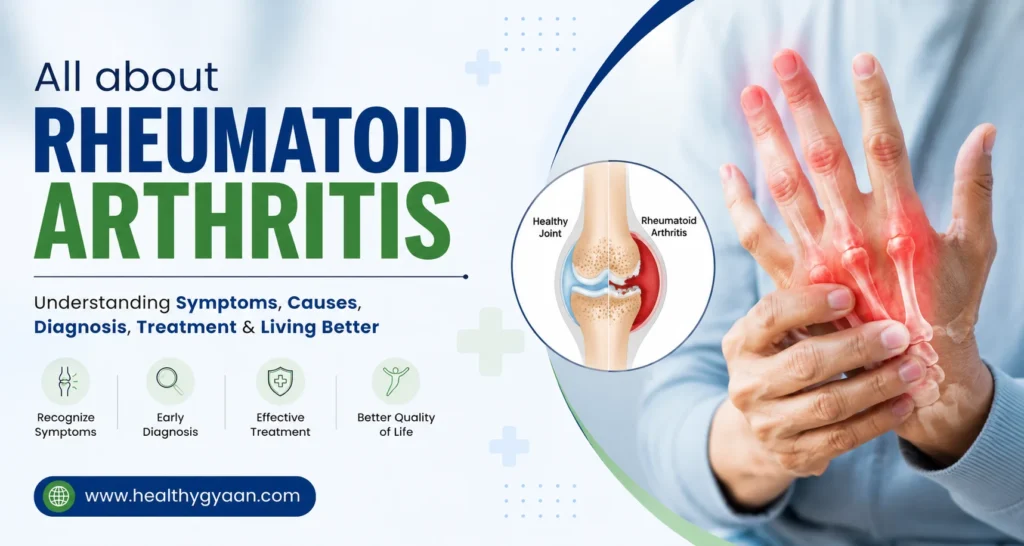
Rheumatoid Arthritis is one type of disease which is chronic in nature and it eventually affects the joints of the human body. This is not like osteoarthritis whose main reason is Near and tear of the Joint.

Actually RA occurs in our body when ouIn this article we try to cover the whole aspects of Rheumatoid Arthritis and properly describe symptoms, causes, the diagnosis protocol and overall treatment protocol of this disease.
Your body’s immune system mistakenly attacks and kills the normal healthy tissues and it further leads to inflammation,pain and potential damage of the joint .This condition of the body also has impact on other systems of the body rather than joints that comprises the heart, lung tissues and also the eyes.
How we simply define Rheumatoid Arthritis
Rheumatoid Arthritis is in fact the condition where the body’s own immune system onslaught the joint synovium of the body which is actually the lining epithelium of the membrane and it also encompasses the joint capsule over the course of time.
This process gradually results in inflammation of the joint and also produces joint deformities with pain and inflexibility of the joint.Experts truly consider RA as a systemic disease due to its impact on all the systems of the human body.
If this disease turns into severe cases, it then comes up with joint damage that is permanent. In the rare scenario, it can also threaten life as it possesses dangerous complications like heart diseases.
How Rheumatoid Arthritis features appear
There are actually a number of features of rheumatoid arthritis that can appear differently in varieties of patient. Among these features most common features comprises:
• Pain in the joint with swelling:The patient or the sufferer typically experiences it in his wrists, knees, hands and in his feet sometimes.
• Stiffness in the joint in the morning: In fact it can last for more than 30 minutes in duration. Moreover fatigue frequently accompanies inflexibility or rigidity in the joint.
• Experience of fatigue: It literally is a kind of sense of tiredness or the patient feels a shortage of energy in most of his active workloads.
• Fever: some individuals may also undergo fever which is mild in nature. It eventually may be a sign of this disease course that can also flame up RA.
• Joint disfigurement or malformation: when RA persists for a long duration of time. It can result in development of distortion or anomaly of some joint that may involve swan neck deformities or boutonniere disfigurement in the joint.
• Formation or build up of nodules: There may also present some bumps underneath the skin which are firm or solid in nature around the joints which usually have the impacts of RA namely as Rheumatoid nodules.
Factors behind the development of Rheumatoid Arthritis
Experts can not precisely understand the causes of Rheumatoid Arthritis but they in fact identify and detect some factors on points that can influence the Rheumatoid Arthritis development. We try to describe some of the marin factors behind RA development that comprises:
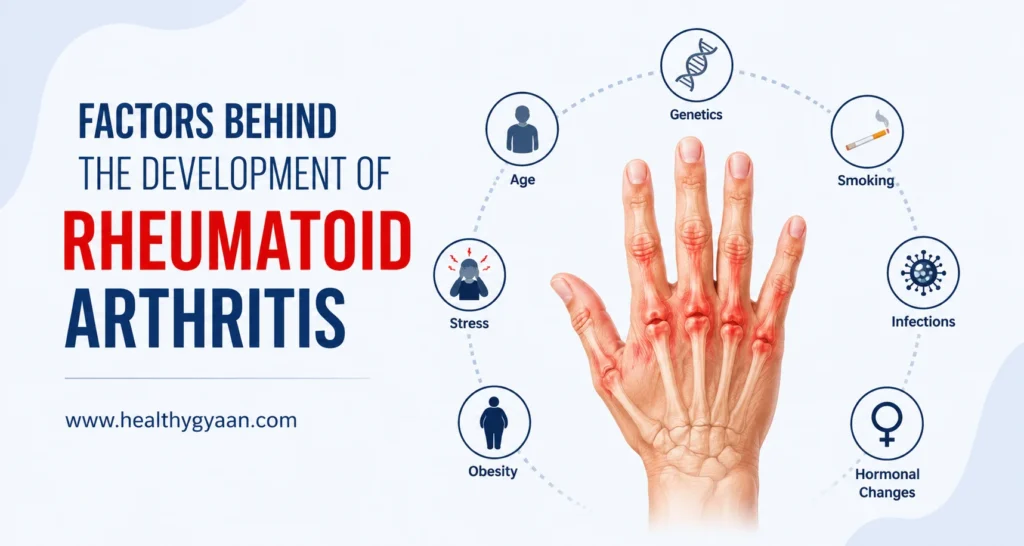
Role of genetics: Genetics remains as one of the core factors that can truly induce rheumatoid arthritis development. There are some people who usually possess certain genes which ultimately make them more susceptible to develop RA. However, it doesn’t always guarantee an individual to have rheumatoid arthritis, rather some factors along with these- factors can play a vital role too.
Initiative of environmental factors: These individual who possess infection in their body and smokes regularly are indeed in great danger to have rheumatoid arthritis .The people who are genetically remain at high risk of RA development ,these environmental initiatives
can eventually trigger the disease which may be a sole cause to develop rheumatoid arthritis.
Relation of hormonal factors: Importantly there are some hormonal causes or factors that can flare up development of rheumatoid arthritis. For these reasons, women are more likely to have or develop RA rather than this happens due to the way hormones impact or affect the immune system of our body.
Importance of age: Though there is some valid paperwork or statements that ensure RA development to be more common between the ages of 40 to 60 years, it can certainly impact people at any age which may involve children or even older adults. That is why with the involvement of certain factors that can increase the risk of RA development, this disease can develop at any different stage of life.
The way experts diagnose rheumatoid arthritis
Experts use a sequential method to diagnose rheumatoid arthritis.At first they look for proper medical history with physical examination.That is why they inquire the symptoms first.They examine the joint on a routine basis to search for any possible signs of inflammation.
There are some blood tests available to diagnose RA.Rheumatoid factor (RF) and anti-cyclic citrullinated peptide (anti-CCP) antibodies are among those tests.These antibodies can also help for the confirmation of the diagnosis.
The measurement of C-reactive protein (CRP) and erythrocyte sedimentation rate (ESR) are also important.If it is above the normal limit,it then can suggest inflammation.Nowadays ,doctors usually use X-rays, ultrasounds and sometimes MRIs.
These modules can further help them to identify the extent of joint damage.These also help identify the severity of joint disfiguration.
Effectiveness of Therapeutic Approaches to treat Rheumatoid Arthritis
The treatment options are not in a large number to treat RA.Rather there are some different effective treatments available only.These treatment options can help manage features or symptoms of the disease.Thus it can reduce inflammation.Thereby it can prevent joint damage. The treatment options may comprises:
1.Effective available medications
There are some medications available to treat RA effectively.Methotrexate is one of the prominent drugs among DMARDs.These drugs aim to slow the progression of RA.Thereby it reduces joint damage.Biologics are newer medications to treat RA.
These drugs target specific parts of the immune system.TNF inhibitors (e.g., Humira, Enbrel) are among biologics.NSAIDs are generally the supportive drugs to treat RA.These drugs help reduce pain and inflammation.But they can not alter disease progression.Steroids like Corticosteroids, and prednisone, are effective to manage inflammation and flare-ups.
2.Importance of physical Therapy for Movement and Strength
Physical therapy actually helps improve joint function and thereby strengthen muscles around affected joints.It further helps maintain mobility of the joint and so the patient as well. Importantly occupational therapy can also assist in the adaptation of daily activities to reduce strain on the joints.
3. Surgery
If RA leads to severe joint damage, surgical procedures such as joint replacement or synovectomy which is actually the removal of those joints that underwent through inflammation may be necessary.
Daily Care Tips for Rheumatoid Arthritis
The proper management of RA goes beyond just the intake of medications. Here are some additional ways to cope with the disease:
- Healthy lifestyle: A balanced diet which is rich in anti-inflammatory foods, like fruits, vegetables, and omega-3 fatty acids can help manage RA properly. Regular exercise can help maintain joint function and alleviate stiffness.
- Stress management: Stress can trigger flare-ups. There exist some techniques which comprise meditation, yoga, and mindfulness .These methods may also help manage stress and improve overall well-being.
- Regular check-ups: Keeping track of disease progression through regular doctor visits ensures timely adjustments to the treatment plan.
How to Live Better with Rheumatoid Arthritis
Life with rheumatoid arthritis can be difficult.But proper guidelines can make it fruitful. But proper treatment and lifestyle adjustments can help people get a healthy life.Therefore many people will be able to manage the disease effectively. It’s important to stay knowledgeable .It is always beneficial to follow a treatment plan.
Moreover the patient should maintain a positive mindset.Proper management of the symptoms can prevent joint damage.It also ensures reduction of inflammation.Thereby you can improve your quality of life.After all you can be able to maintain an active lifestyle.
Self-Care Strategies for Rheumatoid Arthritis Relief
The management of rheumatoid arthritis is not that much easy.Medications can not alone effectively manage this disease.It also demands Lifestyle changes with protective health habits.It can actually make a significant difference in the reductions of the symptoms.Thus it helps improve the quality of life. Here we discuss the essential tips and strategies to overcome rheumatoid arthritis. These are:
1.Impacts of daily fitness practice on RA patient
Exercise is very essential for joint flexibility.It can significantly reduce stiffness. It also helps strengthen the muscles around the joints. But it is always wise to choose low impact exercise on a daily basis.It actually helps prevent joint damage.
You can swim everyday.The buoyancy of water supports your body well.It can also reduce the pressure on your joints.Therefore it allows you to move freely.You can regularly walk a few miles.It will help maintain joint mobility and reduce risk of cardiovascular disease.
You can also practice yoga daily.These activities mainly focus on the gentle stretch and relaxation.This can eventually ease your pain and thus improve flexibility.
2.How overexertion plays an impacts on RA patient
People with RA often face fatigue.It can sometimes worsen with overexertion. so it is very important to pace yourself in time.You need to take rest when it is essential.You can break your tasks into smaller portions to avoid fatigue.
These breaks also help you to avoid overexertion between the activities.You should always ensure enough sleep everyday.Moreover, you need to incorporate short naps at the time of the course of time exercise.This will help recharge yourself.
3. Use heat pads and cold packs sometimes
Temperature therapy can also provide from joint pain and stiffness
Cold packs:You should always try to apply cold compresses or ice packs to reduce the joint pain when the joints swell up with inflammation. You must use it for at least 10-20 minutes at a time for better outcome.
Heat pads:Sometimes it is useful to have warm baths and heat up the pads, or use warm towels.It can help relax muscles, ease joint stiffness and thereby improve circulation.
4.Reduce Joint Strain with Correct Technique
In order to prevent further joint damage, it’s essential to practice joint protection techniques in your daily activities.These techniques comprises:
- Assistive Technology and Adaptive Support : There are some tools like jar openers, long-handled reachers, and ergonomic handles that can help reduce strain on your joints and thereby relieve joint pain..
- Postural Alignment and Wellness: Always pay attention to your posture when you sit and stand or walk to avoid unnecessary pressure on your joints and this method can save your joints from inflammation.
- Safe Practices for Repetitive Tasks : If you repeat motions ,it can aggravate joint pain. You should attempt to rotate tasks or change your hand position frequently when you perform activities.
5.Commit to Healthy Dietary Choices
If you balance your diet well ,it can support your overall health and reduce inflammation that has a close association with RA. Here’s how nutrition plays a role:
- Anti-inflammatory foods: Include foods that fight inflammation.These anti-inflammatory foods comprise fatty fish (salmon, sardines), nuts, seeds, olive oil, and leafy green vegetables.
- Avoid processed foods:Always limit the intake of processed foods that contain high sugar, trans fats, and refined carbohydrates, as they may promote inflammation.
- Maintain a healthy weight: Excess weight puts extra stress on your joints, particularly if you bear weight on your hips and knees. A healthy weight can reduce joint pain and help with overall mobility.
6.Responsible Use of Supplements
Certain supplements may help manage symptoms of RA, but always consult your healthcare provider before you start any new supplement regimen:
- Omega-3 fatty acids:It is generally available in fish oil,recent study indicates that these can help reduce inflammation.
- Turmeric or Curcumin: It is prominent for its anti-inflammatory properties.People can in supplement form or they can use it when they cook foods.
- Vitamin D: RA patients are often deficient in vitamin D, which is essential for bone health. A supplement may be beneficial to overcome this deficiency.
7.Psychological Strategies for Stress Reduction
Stress can trigger flare-ups of rheumatoid arthritis symptoms.So proper Management of stress through relaxation techniques can help prevent this:
- Deep breath with exercises:when anyone takes slow and deep breaths,it can help reduce stress and lower the body’s inflammatory response.
- Mindfulness and meditation: Regular mindfulness practice can help manage both emotional and physical pain.
- Engage in hobbies:When you engage in reading, gardening, or painting, it will help you enjoy a healthy life as it causes distraction and reduces stress.
8. Proactive Health Check Appointments
It’s important to have regular check-ups with your doctor to monitor disease progression and make necessary adjustments to your treatment plan.You better report to your doctors when you experience new symptoms.
Regular blood tests can check for markers of inflammation.On the other hand modern tools can definitely monitor joint damage.Your doctor may need to adjust your medication over time.This is because of the availability of newer treatments.
9.Proper support makes you comfortable
The long time survival with rheumatoid arthritis can sometimes isolate you at times.That is why you need to connect with others.This is because they can understand your struggles .Moreover they can provide emotional support and practical advice.
These can be great places to share experiences and also exchange tips.You can certainly receive encouragement from others throughout your journey.You better talk to counsellor if you emotionally struggle with the disease.
10. How positivity and patience help RA patient
RA is a chronic condition.It usually requires long time management.There may be some tough days as well.But if you maintain a positive attitude and have patience with yourself,it can further help you overcome the situation.All you need to focus on some achievable goals .These achievable goals help you manage pain and improve mobility over time.It further reduce stress rather than you expect perfection.A successful activity can significantly lower pain.
Cardiovascular involvement in Rheumatoid Arthritis
People are at high risk of heart disease when they are about to live with rheumatoid arthritis (RA). This is because RA causes inflammation not just in the joints but also in the heart and arteries. Specifically, inflammation can affect the pericardium (the membrane around the heart).It also can have impacts on myocardium (heart muscle) .Sometimes the arteries themselves can lead to cardiovascular issues.
Doctors usually use steroids to treat RA.But steroids can raise cholesterol, blood pressure, and cause weight gain to the patient.These all factors eventually increase heart disease risk. However, recent studies show that aggressive management of RA patients can lower the risk of heart disease
These medications not only control RA symptoms but also reduce the risk of other diseases, including cardiovascular problems
Conclusions
Rheumatoid arthritis is actually a long term autoimmune disease that can significantly hamper a person’s day to day life. Although it is often associated with joint pain, stiffness, fatigue that usually make joints swell up, it further has an impact on emotional health and quality of life if any simply ignore it.
However Modern outlook helps improve the outlook for the people who live with RA. In the newer world, early diagnosis, timely treatment and continuous medical care ensure slow
disease progression, reduce inflammation, prevent joint damage and also support a more active and playful life.
One of the most important steps in the management of rheumatoid arthritis is the early recognition of the symptoms with early and timely access to professional medical advice. The patient should never ignore persistent joint pain, morning stiffness, and difficulty in daily life events.
A proper diagnosis allows the medical profession to create a proper and effective treatment plan that often involves medications, physical therapy, exercise, dietary changes and proper rest.
In addition to medical treatment, the adaptation of a healthy lifestyle plays a vital role in the management of RA. Proper nutritious food intake, regular physical exercise, stress management with adequate sleep can help improve the overall health and flexibility of life.
The association of Rheumatoid arthritis with Cardiovascular people. Rheumatoid arthritis is usually a higher risk for heart disease development. The reason behind is RA causes inflammation of the joint with heart and nearby arteries as well.
Specifically, inflammation can affect the pericardium which is the membrane around the heart and myocardium also which is the muscle layer of the heart. This inflammation eventually leads to cardiovascular issues.In the past, doctors usually used steroids to treat RA which unfortunately can raise cholesterol, blood pressure and induce weight gain as well.
These overall factors help increase the risks of heart disease. However recent studies indicate that if we treat RA cases aggressively, it will then decline the risk of heart disease. This medication fortunately helps the condition of RA patients with the decrease of cardiovascular problems with other health related problems.