
A comprehensive guideline of Over the counter(OTC) Medications
There are mainly two types of medication in the USA: there is restriction to sale by prescription only in the first type of medication. The other type is non-prescription in nature, namely as over the counter drugs(OTC) that don’t include supplements like (vitamins, minerals) herbals and botanicals. In this article, we try to provide you with all the aspects of over the counter drugs from categories, list to side effects, and the proper use of these agents.

What is over the counter(OTC) medication?
Over the counter(OTC) medications are those medications that are available for the consumers to purchase without a prescription from a medical profession. There are also some specific criteria a drug must meet to be an OTC drug and also possess an approval from a regulatory body like FDA.
The specific criteria includes: – Firstly the benefits of the drug supersede the risks and the chance of potential misuse or abuse is very low. Secondly the drugs are only for the use of common health conditions like headache, cold & heartburn which a consumer can recognize without a doctor’s help.
Finally, the packaging must involve drug facts. The written form of drug facts in packaging must be in plain language so that a normal consumer can use the medication safely and effectively without strict supervision of a medical professional.
What are the drugs that are switched from prescription to OTCs?
From 2006 to 2023,the US food and drug administration approved the switch of some drugs from prescription to over the counter(OTC) drug. The early switches of antihistamine Ketotifen and the emergency contraceptive Levonorgestizol happened in 2006.
Then the switch of allergy medication cetirizine and weight loss aid orlistat took place in 2007. The switch of other drugs from prescription of OTCs includes acid reducers like Lansoprazole in 2009. Esomeprazole in 2014, Nasal glucocorticoids such as Triamcinolone in 2013, Fluticasone in 2014 and Budicanide in 2015.
The advanced treatment also became more accessible that involves oxybutynin for overactive bladder in 2013, the topical retinoid Adapelin for ache in 2016. In recent years, the market also included the redness reliever Brimonidine, the topical anti-inflammatory Diclofenac and head lice treatment Ivermectin in 2020.
In 2021 and 2023 the regulatory bodies approved the switch of the nasal antihistamine Azelestin, the opioid antagonist Naloxone and the daily contraceptive Norgestrel.
What are acid reducers over the counter(OTC) drugs?
Acid reducers involve H₂ antagonists such as cimetidine and famotidine for heartburn relief and prevent and proton pump inhibitors like esomeprazole, lansoprazole and omeprazole for frequent heartburn that occurs over two or more days in a week.
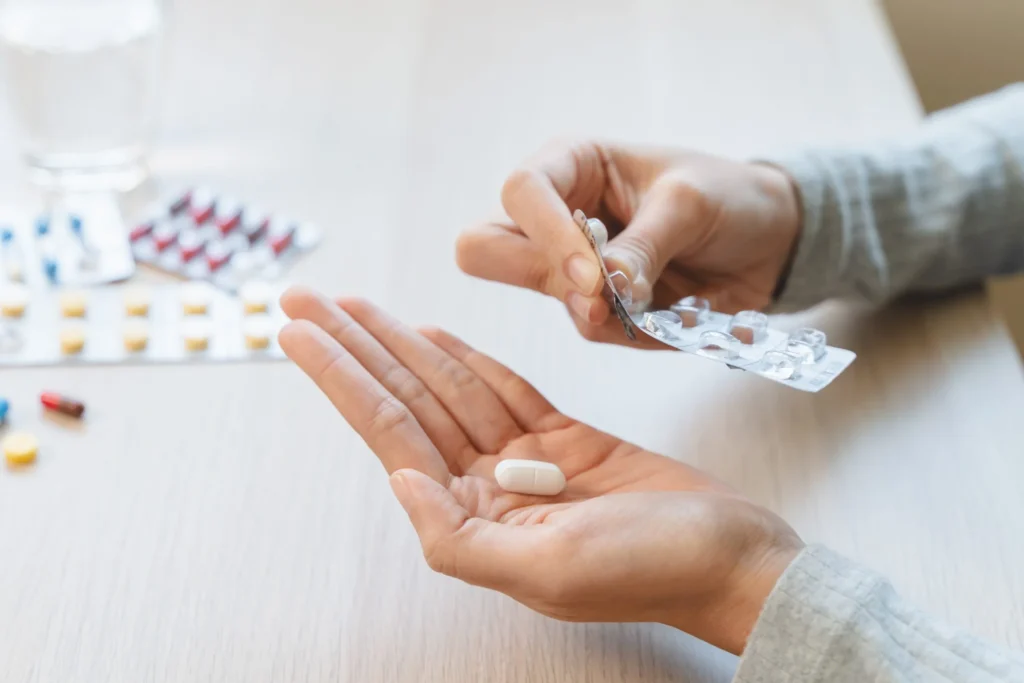
Users must avoid these medications if they face red flag symptoms like difficulty in breathing, bloody stool or chest pain with lightheadedness. They also should not exceed 14 days of treatment without medical advice.
H₂ antagonist acts quickly (0-60 mins) but it may cause side effects such as agitation, headache. Moreover the can interact with the effects of other drugs like warfarin
& theophylin. Cimetidine spellatially carries the risk of gynecomastia.
In contrast, the PPIs are not for immediate relief and it takes 1-4 days for full effect. These drugs involve the risk of fracture, C.difficile infection and interaction with medication like antifungal drugs and Clopidogrel.
H₂ blocker are usually for those who are over 12 years old and the PPIs are for adults over 18 years old. If there is any evidence of trash or joint pain that may signal autoimmune compilations, then the patient should stop the drugs.
Common over the counter(OTC)medicines for acne
Topical treatments are available for acne vulgaris. The products that contain Adapalene, Benzyl peroxide or salicylic Acid are effective in acne treatment but they require some specific precautions. These agents are usable for those who are over 12 years old.

The users should try to keep away these drugs from eyes and mucous membranes and also should not use it in broken or abraded skin.Common side effects of these drugs are erythema, scaling, dryness, burning,pruritus and they are prevalent during the first 2-4 weeks of treatment.
These side effects usually subside over time as the skin adjusts. The lesser application of these drugs can manage these initial symptoms. For safety purposes users should minimise sun exposure, wash hands thoroughly after work and also avoid the combination of Salicylic acid products.
Notably, discontinue these products immediately and seek medication advice if you experience any kind of hypersensitivity reactions like difficulty breathing, hives and Intense itching.
Over the counter(OTC) medications for Allergy management
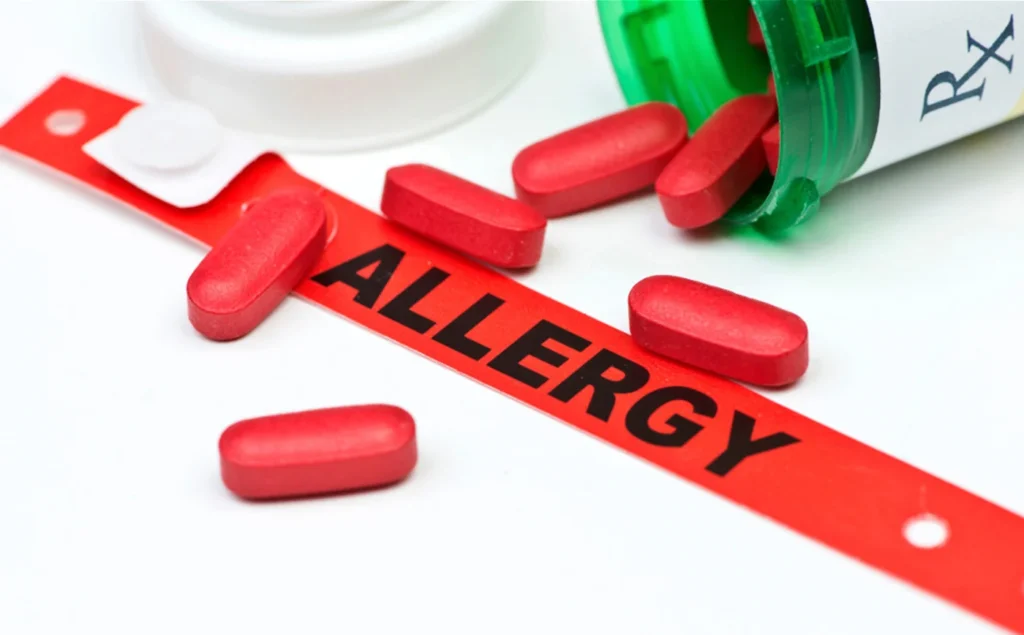
There are some over the counter drugs for allergy management like antihistamine.It provides temporary relief for hay fever and upper respiratory symptoms such as sneezing, runny nose,itchy and watery eyes. These medications are of two types that involve:First generation options (chlorpheniramine,clemastine, diphenhydramine) and the Second generation options( cetirizine,fexofenadine, loratadine, levocetrizine).
The first generation options are highly effective but often cause sedation and few anticholinergic effects.In contrast,the second generation options provide a lower risk of drowsiness and have a few side effects.
For safety purposes, the parent should not use these drugs in children under 2 years without the doctor’s advice. In order to use it in 2-11 years old children, the parents should consult specific labeling.
The users must be cautious if they want to drive a vehicle after the use of those drugs.It may produce some side effects like dizziness, fatigue, nausea, and urinary retention as well. Moreover the users should not take these medications along with alcohol or other sedatives as these agents significantly intensify the medication’s depressive effects.
Over the counter(OTC) medicines for antipyretics and analgesics
There are several types of OTCs for analgesics and antipyretics treatment. The OTCs includes systemic options (acetaminophen and NSAIDS like aspirin, ibuprofen and naproxen). Some topical agents are also available like diclofenac gel.
Acetaminophen is effective for fever and pain but it carries a strict risk for hepatotoxicity. The OTC Limit of it is 3000-3250 mg per 24 hours.NSAIDS and aspirin provide similar relief but the patient with GI bleeding, heart failure, renal failure, high blood pressure should not use these.
Aspirin mainly carries a risk of Reye syndrome with viral infections in children. Common side effects of NSAIDS involve Cardiovascular risk like MI or stroke due to long term use. The patients with a history of asthma or NSAIDS allergies should avoid diclofenac as topical use.
The users also minimize sunlight exposure on treated skin.The use of oral and topical NSAIDS simultaneously can increase the risk of haemorrhage and renal abnormalities.
What are the common OTC medicines for diarrhoea and fungal infection?
Anti-diarrheal agents:Antidiarrheal agents like Bismuth Subsalicylate and Loperamide are effective as OTC drugs to manage diarrhoea and traveler’s diarrhoea . The people with aspirin allergies must avoid Bismuth Salicylate.
Moreover we should not give this drug to children or teens who recently recovered from viral infection due to risk of reye syndrome development. Common side effects of it involve harmless blackening of the tongue or stool and dose related tinnitus.
There is a restriction of Loperamide use in children under 12 years with bloody stools. It is generally safe at standard doses in adults. But misuse or overuse of Loperamide can lead to serious cardiac events like Torsades de pointes.It is always advisable for a patient with high fever and mucous in stools to avoid any kind of antidiarrheal drug.
Topical Antifungals:There are some OTC topical antifungal drugs that involve Butenafine, Clotrimazole, Miconazole, Terbinafine and Tolnaftate. These drugs can effectively treat athlete’s foot, Jock itch and ringworm infection. They also relieve itching, scaling and burning sensation of the skin.
These products are of external use only and the patient should not use them on the nails or scalp. These agents are not applicable to children under 2 years for (clotrimazole, miconazole and Tolnaftate) and to children under 12 years (for Butenafine and Terbinafine) without medical guidance.
In order to ensure fast recovery, the patient should keep the affected area dry and avoid tight dressing and change footwear regularly. However the patient should stop the drug and consult a physician if the symptoms don’t improve within 2 weeks for jock itch and 4 weeks for other fungal infections.
Over the counter(OTC) drugs for cough and nasal allergy
Antitussive OTC: Dextromethorphan is one of the OTC that is non-opoid antitussive in nature. The main use of it is for the temporary relief of cough due to minor throat and bronchial irritation.
As it lacks analgesic or addictive properties healthcare providers must remain cautious for potential abuse or misuse of the drug. This drug is not fully safe for the use in children under 4 years old and those patients who recently finished MAOI’s because it can lead to serious complications like serotonin syndrome.
The patient with excessive mucus on chronic conditions like asthma and emphysema should use dextromethorphan cautiously. If symptoms persist beyond 7 days of treatment from the introduction of this drug, the patient should stop the treatment course and then consult a medical professional.
Nasal decongestants:There are some OTC decongestants that can provide relief from nasal and sinus congestion, due to cold and allergies. They are available in both topical and systemic forms. The patient should not use topical sprays for more than 3 days to avoid rebound congestion though it provides long acting effects.
They may also create localized irritation and burning sensation. In contrast, the systemic agent can cause side effects like insomnia, increased heart rate and high blood pressure as well. Both types require vigilance in patients with heart disease, hypertension, diabetes or prostate enlargement.
Importantly, there is purchase restriction in pseudoephedrin use in order to prevent illicit use. However, if the symptoms persist beyond 7 days of treatment, the patients should seek professional medical advice.
Over the counter(OTC) medicine for contraception and constipation
Emergency contraceptive pill: Levonorgestrel(Plan B one step) is an OTC medication that intends to prevent pregnancy with 72 hours of unprotected intercourse or contraceptive failure. It is actually not for routine use and the consumer should avoid it in suspected pregnancy.
The medication may require prescription for those under 17. It is mostly effective when taken immediately after an unprotected coitus. Though the candidate may require an extra dose she vomits within 2 hours of use. There are some side effects of this drug that include nausea, abdominal pain, fatigue and menstrual changes.
However, the patient should continue regular birth control as early as possible. They should use a barrier backup method (like condoms) for the following 7 days in order to prevent conception.
Laxatives: There are some OTC Laxatives that provide temporary relief for occasional constipation. There are also several types of Laxatives on the basis of their mechanism of action. These involve Bulk formers/ psyllium, methylcellulose, stool softeners (docusate) and Hyperosmotic like polyethylene glycol.
Stool softeners are the safest for chronic use. The patient should take Bulk formers with plenty of fluid to prevent choking and to avoid difficulties in swallowing. There are also saline laxatives that a patient should not use over one dose per 24 hours with sodium restricted diet attentively.
Hyperosmotic requires caution in patients with kidney disease. Moreover stimulants like bisacodyl, senna may cause stomach discomfort, rectal burning sensation. The patient should never ingest stool softeners with mineral oil.
Usually, some patients feel fullness and cramp in the abdomen when they use Laxatives.If the symtoms worsen or persist over the weeks of treatment , then the pateints should seek medical advice.
Over the counter(OTC) drugs for Lice treatment
The use of pediculicides like permethrin, pyrethrins and ivermectin is for the elimination of head, body and pubic lice.The external use products require a 10 minutes application thoroughly to the affected area, then a person needs to remove nits with a fine tooth-comb.

As these drugs can kill live lice but not the eggs. Application is necessary in 7-10 days to target newly hatched nits. Users must avoid contact with eyes and mucous membranes and should not use it if there is any allergic reaction.
These drugs are not safe for infants under 2 months for permethrin, 6 months for ivermectin and 2 years for ragweed infection. In order to prevent re-infection,the patient has to launder all his/her clothes in hot water at 130° F and dry it on high heat within the 48 hours of treatment.
OTC selection guidelines
There are some measures available to select the best possible over the counter drugs for a person.These includes:
1.Always choose single ingredient products over combination in order to avoid
sub-therapic dose of the product and to get actual duration of action and to prevent hidden active ingredients.
2.Verify the product that it contains a full therapeutically active dose.
3.Do not rely on brands name only as they often provide completely different active
ingredients under the same labeling.Match the ingredients perfectly that are suitable for the patient’s symptoms and health history.
4.Always go for genetic version of the products whenever they are available.
5.Be Wary of the claims of specific superiority over similar products in the market.
6.For children, consider the dose, dosage form and palatibility of the products carefully.
7.Review for any ingredients that could exacerbate current medical conditions and interact with prescription.
Hidden ingredients of some over the counter(OTC) products
Many common over the counter (OTC) medications contain active or inactive ingredients that users should review for health and safety reasons. Alcohol is found in concentrations up to 10% in night time cold liquids like Nyquil and theraflu and also present about 27% in mouthwashes like Listerine.
The use of caffeine in analgesics like Excedrin (65mg) and stimulants like NoDoz (200mg) is important to enhance pain relief or alertness. For the patients who control sodium intake, one tablet of effervescent products like Alka-shelter is enough as it can provide up to 586 mg sodium.
Conversely, a Fleet enema contains over 4000 mg sodium in each dose. Pain relievers, antacids and anti diarrheals drugs contain salicylate (aspirin related compound).
Moreover local anesthetics (benzocaine/ lidocaine) are standard in throat lozenges.
On the other hand, Symphathomimetics decongestants like phenylephrine are the primary active ingredients in multi-symptom cold and allergy brands.
Summary
The common prescription that over the counter (OTC) medications are inherently harmless though they often lead to unintended health risks as many products contain hidden ingredients that create severe drug interactions. For example, sympathomimetics in cold remedies can exacerbate hypertension or DM.
Aspirin poses a risk of Reye syndrome in children and gastrointestinal bleeding in patients who consume anticoagulants.Misuse or overuse of any kind of OTC medication can trigger specific medical conditions such as rhinitis medicamentosa, from nasal sprays, electrolyte imbalance from laxative use.
It also involves fatal hepatotoxicity from acetaminophen overuse specially when people take it in combination with alcohol. Moreover, the consumer should not use any OTC medicine if it creates any kind of harmful effects on the body and immediately seek medical advice.