
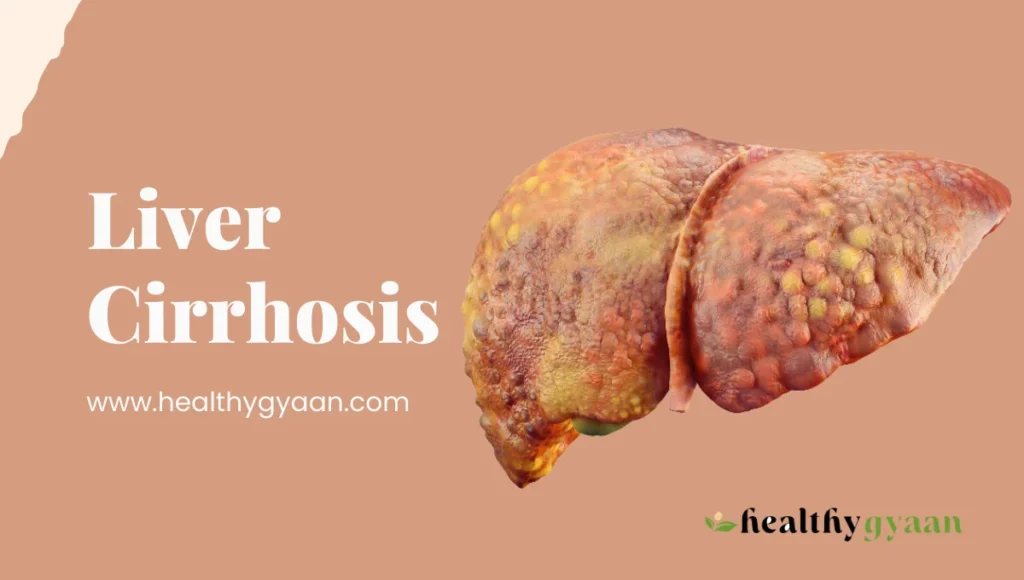
The perspectives of Liver cirrhosis
Liver cirrhosis is actually the final stage of Liver damage. Alcohol, Viruses, like Hepatitis e on any blockage of bile ducts can injure the liver constantly, though the liver tries to heal itself. It forms Scar tissue on its surface, namely as fibrosis, over time, the fibrosis becomes so spread that it replaces the tissue of healthy liver with hard lumps. Thus, it charges the entire life’s structure. As the liver can no longer function properly, it often affects people during the most active years of their life. In this article we provide the perspectives of liver cirrhosis from the cause, pathophysiology to prevention and treatment guidelines…
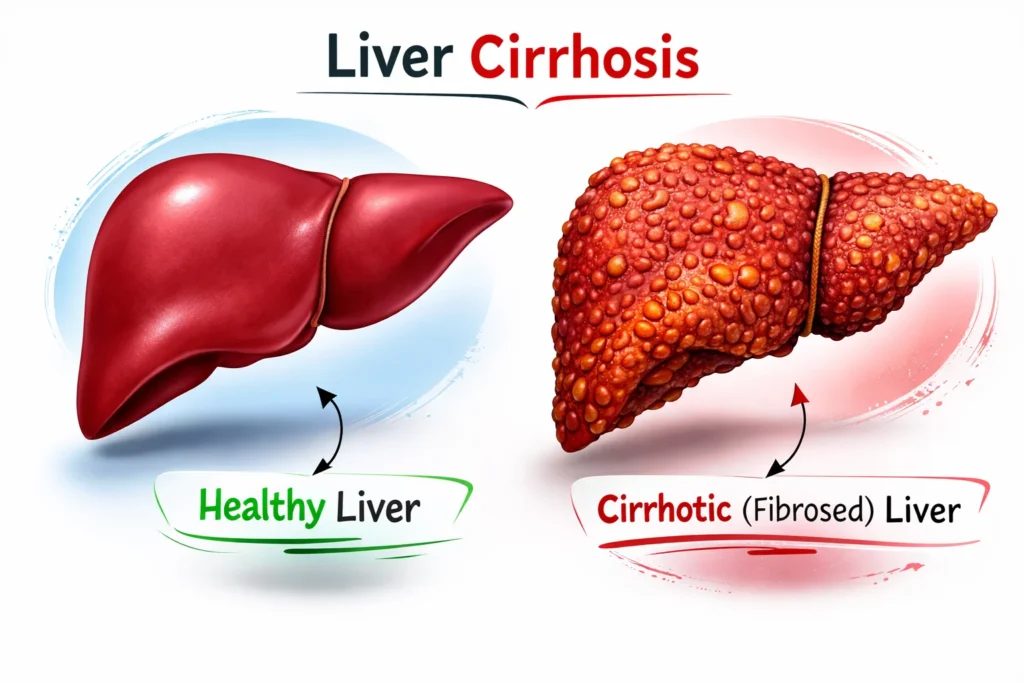
What is the clinical definition of liver cirrhosis?
Liver cirrhosis is the end result of liver failure due to long-term damage. The damage consists of the formation of fibrosis on scar formation that ultimately replaced the normal healthy liver tissue. Alcohol, Viruses like hepatitis c, other health issues are the culprits of this liver damage which takes a long period of time.
Pathophysiology of liver cirrhosis
Liver fibrosis occurs when the liver overdrives its healing process with the formation of scar tissue. In this process, the Hepatic stellate cell is the main culprit/character. The cells remain inactive and sit quietly in the normal liver.
When inflammation, cell death or bile duct issues damage the liver, the Hepatic stellate cell activates and transforms into myofibroblasts. The activation of those cells act like a construction crew that works continuously to form scar tissue with excessive protein like collagen deposition.
The Hepatic stellate cell is not the only builder of this scar formation; some other factors also help this process.These involve macrophages that release inflammatory signals, endothelial cells that trigger the growth of new blood cells and also the portal fibroblast that contribute to this scar formation.
What are the causes of liver cirrhosis?
The cases of liver cirrhosis are extremely diverse that ranges from lifestyle factors to rare genetic transformations.These involves:
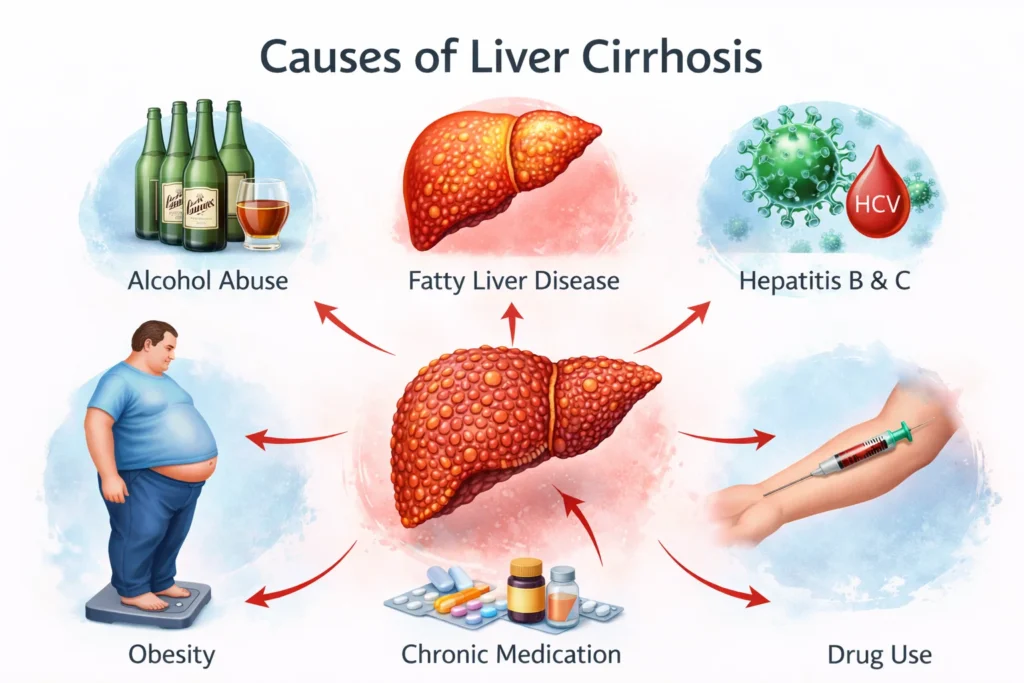
1.Viral Hepatitis (HBV, HCV, HDV): Chronic liver infection causes constant – . Hepatitis is the main cause of liver cirrhosis. However Hepatitis D only occurs in the presence of hepatitis B.
2.Autoimmune conditions: It includes autoimmune hepatitis that happens when the body’s own immune system mistakenly attacks its own liver cells. Primary biliary cholangitis is due to the destruction of small bile ducts within the liver.Primary sclerosing cholangitis means inflammation and scar tissue formation of larger bile ducts.
3.Metabolic factors like hemochromatosis( excessive iron consumption in the body). Wilson disease (Ovetimuch accumulation of Copper in the body). Alpha antitrypsin deficiency (a protein abnormality that damages normal liver tissue).
4.Biliary obstruction occurs when stones, tumors or biliary atresia block the ducts that cause backflow of bile.
5.Vascular cases involve Budd Chiari syndrome (when blood clots in the veins of the liver), cardiac fibrosis. (it is one type of heart failure that causes congestive liver damage).
6.Iatrogenic (DRDS: some medical treatment also can damage the liver like high dose of vitamin A or the medication overdose methotrexate)
Complications of liver cirrhosis
Liver cirrhosis is a late stage of liver damage by fibrosis or scar tissue formation. It also produces some complications that hamper the normal body functions of different systems. These complications involve:
- Portal hypertension: This is one of the main causes of many cirrhosis symptoms. The scar tissue eventually blocks the blood flow through the liver and increases the pressure in the portal vein(the main vein of the liver).
- Ascites: High pressure forces the fluid out of the blood vessels and shifts the fluid in the abdominal cavity that often creates a swollen and painful belly.
- Variceal bleeding: an order to bypass the liver, blood diverted to smaller vessels such as oesophagus and stomach) These small vessels are very fragile and can rupture that initiate hematomas and also threaten life.
- Protein losing Enteropathy: When congestion occurs in the gut wall, it impaired nutrient absorption and leads to loss of serum proteins into the gastrointestinal tract.
- Hepatic encephalopathy: Due to inability to detoxify blood wads to accumulation of neurotoxin that produces some neuro- logical symptoms. It ranges from mild confusion, alteration of sleep pattern to trauma and eventually to hepatic coma.
- Depression: Chronic illness in combination with metabolic changes in the brain can significantly increase the risk of clinical depression.
- Hepatorenal syndrome: When the body fights to correct low BP by intense renal vasoconstriction, it makes the kidneys less functional.
- Hepatocellular carcinoma: It is the main primary cancer in liver cirrhosis.
- Malnutrition & Osteoporosis: As bile production impairs, it leads to fat-soluble vitamin deficiencies that contribute to muscle wasting and bone density loss.
- It also hampers the coagulation process due to less production of clotting factors in the liver fibrosis, which increases the risk of bleeding.
- Hypersplenism: Portal hypertension forces the spleen to enlarge, which traps and destroys platelets and red blood cells.
How to Diagnose Liver cirrhosis?
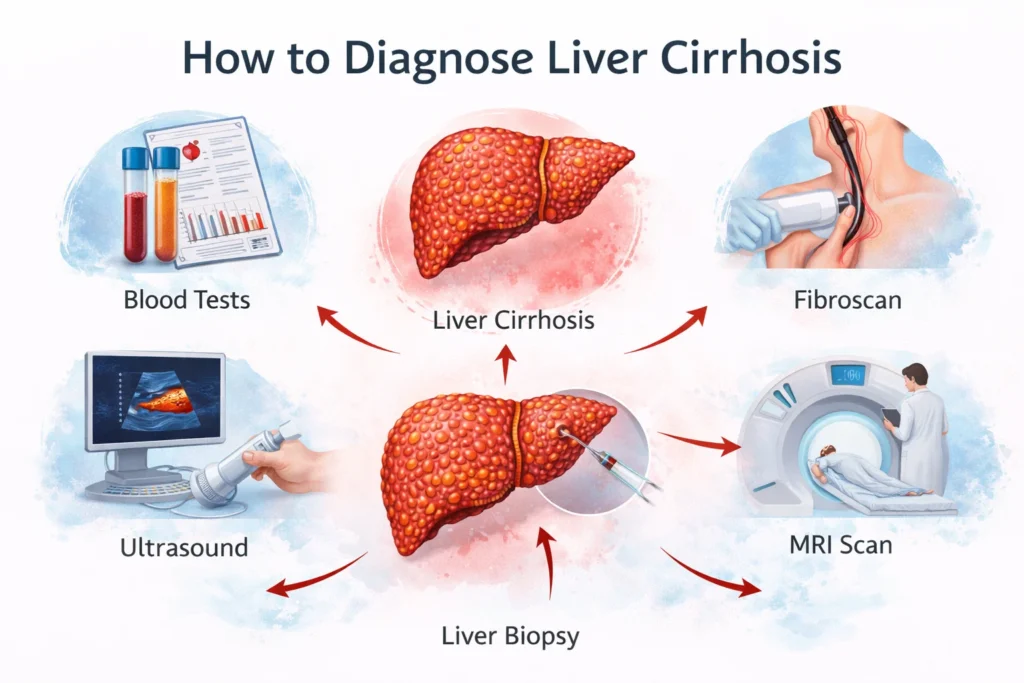
To diagnose liver cirrhosis doesn’t always demand. Doctors look for a needle biopsy,a
mix of physical signs, blood test and advanced imaging techniques to perform a diagnosis of liver cirrhosis. It includes:
 Physical features: Redness on the palms (palmar erythema), spider-like veins in the chest and back with white nail beds.
- Swelling of male breast tissue enlargement namely as gynaecomastia, visible snake like veins on the Abdomen with swollen salivary glands.
- Ascites which is the fluid accumulation in the Abdomen, confusion is also present in case of hepatic encephalopathy
- Blood test and lab markers: at consistent low platelets count less than 160,00/mm3 which is often the first sign. Low albumin level and high prothrombin time that slow the blood clot formation.
- Modern imaging methods also help to diagnose liver cirrhosis such as ultrasonography, CT scan, Fibrosian/MRE. Ultrasonography shows the liver structure whether it becomes smaller or lumpy and also detects spleen enlargement which is a complication of liver cirrhosis.
- Fibroscan of MRE uses vibrations on sound waves to measure any degree of liver stiffness. On FibroScan, if the score is over 14 kPa suggest liver cirrhosis where a score over 5.9 kps on a MRE indicates liver cirrhosis.
- Liver biopsy remains as the gold standard to diagnose liver cirrhosis. But experts use biopsy less often today as they are invasive, costly and increases the risk of procedure induced complications. It is now mostly effective in those cases where the clinical features and imaging tests aren’t clean enough to diagnose liver cirrhosis.
Different stages of liver cirrhosis
Traditionally liver cirrhosis consists of two main phases that involve compensated ( no major symptoms and decompensated (symptoms with visible complications).This progression often embraces four clinical stages which includes:
Stage 1: There is no fluid accumulation namely us ascites or any enlarged vein.
Stage 2: Here the varices are present but it doesn’t bleed without any kind of fluid build up.
Stage 3: Ascites develop in this phase with or without varices or vein enlargement.
Stage 4: The enlarged veins actively bleed in the stage.
Complications like hemorrhage, jaundice, and encephalopathy are present in the decompensation phase that significantly increases the mortality risks. However The patients with compensation phase die more commonly from non-liver disease like cardiovascular disease or malignancy.
The decompensation phase succumbs to portal hypertension complications. HCC or sepsis.Importantly, infection and Acute On Chronic Liver Failure (ACLF) became the most critical and distinct phases that lowers the survival rate even after the resolve of initial trigger.
Understanding the prognosis of liver cirrhosis
Liver disease on chronic liver disease remains a major challenge particularly those people who are 45-69 years old. The prospect heavily depends on compensated (Function normally despite scar formation) and decompensated (shows signs of liver failure like ascites and confusion) liver cirrhosis.
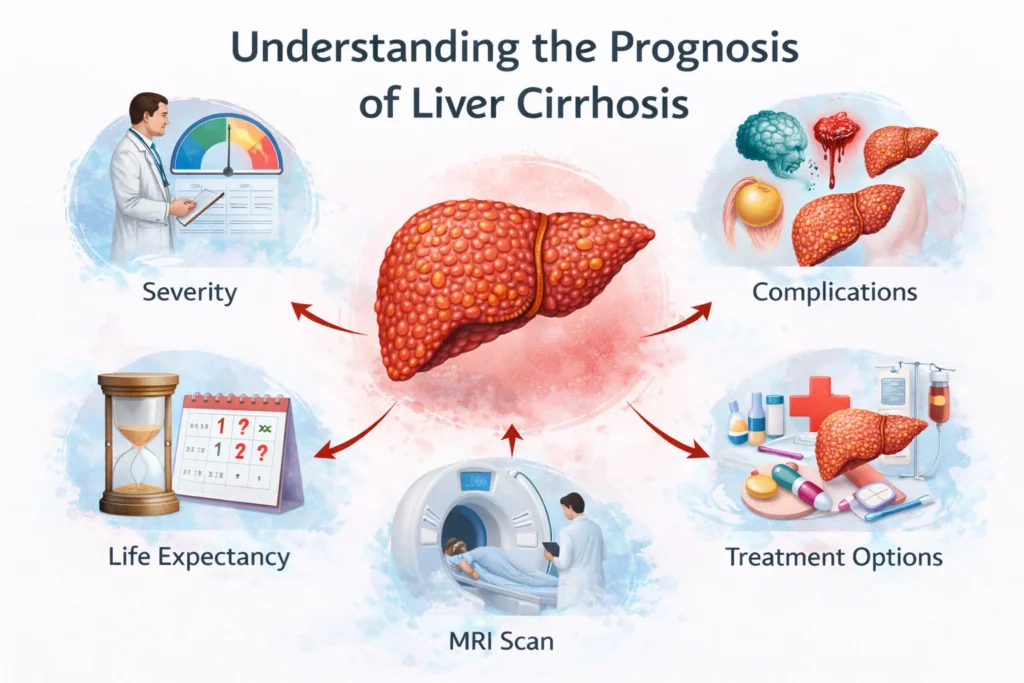
The people who live with compensated liver have a median survival rate about 9-to 12 years. However if this shifts to decompensated liver, then the range drops about 2 years. The primary goal of medical care is to prevent decompensation.Studies indicate a roughly 58% chance of the progression to a more serious state over 20 years.
Alcohol use and viral hepatitis drives this change fastly.Survival rate varies on different types of complications of liver cirrhosis. For example, the patients with ascites (fluid accumulation in Abdomen) or hepatic encephalopathy (brain dysfunction) possess higher risks than those people who have only minor variceal bleeding.
Treatment options of liver cirrhosis
The management compensated liver cirrhosis mainly focuses on the prevention of the disease and it also ensures that it won’t get worse further. The treatment options involve:
- It requires regular check ups and healthy lifestyle choices. Key steps in this process include the patient must get an ultrasonogram every 6 months to check for malignant transformation.
- The patient should also go through an endoscopic exam (EGD) to screen for any vein enlargement in the esophagus.
- Patients should strictly avoid alcohol, and lose weight if it is necessary. He also should take vaccination for hepatitis A and B, pneumonia and the flu etc
.
- Mild exercise is good for the cirrhosis patient.However, patients should avoid heavy abdominal work load to prevent any kind of internal bleeding.
- Besides medications and diet maintenance, It is generally safe to take about 2g acetaminophen daily. The patient should avoid NSAIDs like aspirin, Ibuprofen if the conditions worsen
.
- Doctors may also suggest statins or specific diabetic medications that depend on the stage of the disease. As malnutrition is common, the patients with this disease should eat high calorie small meals and bedtime snacks frequently in order to monitor the levels of zinc and fat soluble vitamins.
- However issues like fatigue, muscle cramp and sexual dysfunction are common and difficult to treat in Liver Cirrhosis patients. It is important to treat the inherent problems like anaemia and depression for the improvement of life quality.
Can a patient prevent Liver cirrhosis?
Liver Cirrhosis is not a disease that happens overnight. It takes a long period of time to reach its final stage of liver damage from the initiation.Liver act like a filter that heals by
itself when the damage occurs . The process involves scar formation in the liver. If the patient catches this problem early, the liver can be able to repair itself or at least prevent further damage. The liver is a silent organ.It doesn’t always show symptoms until a significant degree of damage occurs.That is why regular visits to the doctors is so vital. If the medical professionals catch the liver stress through routine blood tests before it turns into the permanent scar formation, the condition won’t get worse. Regular medication and lifestyle changes prevent the disease from reaching the dangerous final stage.
When surgery is inevitable in liver cirrhosis?
There are some reasons where surgery is necessary to treat liver cirrhosis. These involve:
If the disease turns into chronic cirrhosis that results from hepatitisB or C, alcoholic liver disease and non-alcoholic fatty liver disease where the liver can no longer function normally.
In hepato cellular carcinoma, the damage of the liver is so severe that it can lose its normal function capability. Then the doctor suggested Liver transplantation to replace the non-functional liver with a donor’s healthy functional liver.
How to define portal hypertension
When blood pressure increases within the portal venous system it produces a clinical condition namely portal hypertension. It is the main cause of liver cirrhosis in adults and extrahepatic obstruction in younger patients. It is primarily the results from vascular resistance to blood flow of various sites within the portal venous system.
Consequences of portal hypertension
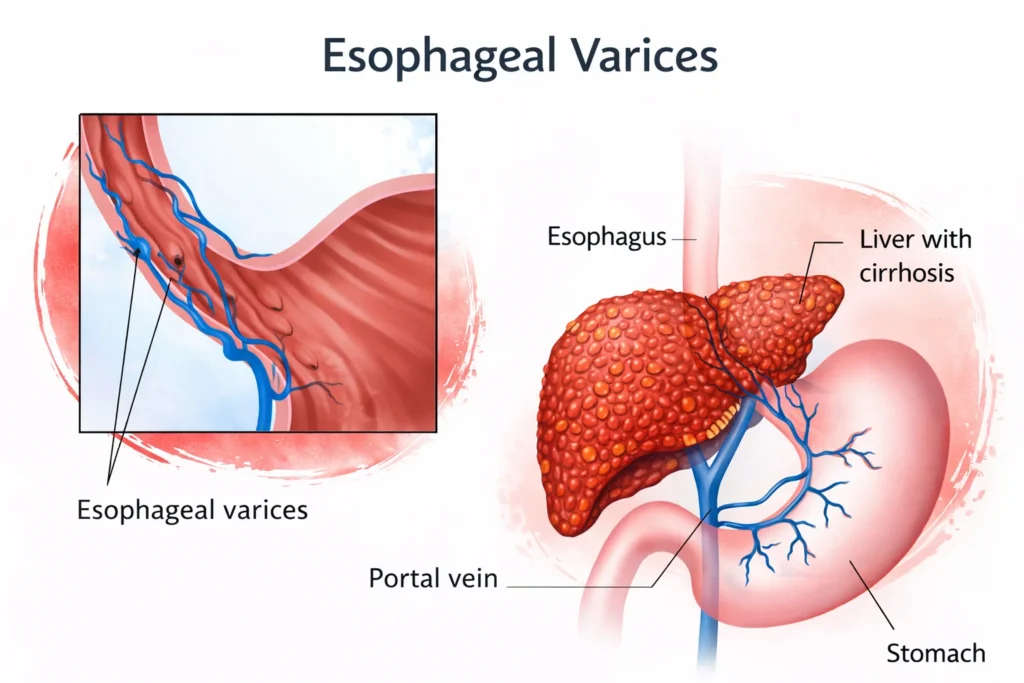
When the pressure in the veins of the portal system becomes high, it forces the blood into small, fragile vessels in the stomach and esophagus. The vessels then swell up due to over-inflation, that is to say varices.
As the vessel’s walls are so thin, they burst and cause severe internal bleeding. This actually happens when the vessels are large and the liver fails to maintain it. It is due to consumption of certain painkillers like aspirin and ibuprofen that irritate the stomach epithelium.
Diagnosis of portal hypertension.
The diagnosis of portal hypertension requires mainly clinical signs. But in order to confirm the diagnosis, doctors use some specific tests; Among them, endoscopy is the most important tool to find swollen veins in the esophagus and demands repetition in every 2 years.
Blood tests often indicate low platelet count and other imaging methods like ultrasonography, CT-scan or MRI are necessary to check the blood clots as well as vein health assessment. In some cases, doctors put a balloon catheter into the jugular vein to measure pressure indirectly within the liver.
How can I treat portal hypertension?
The people with long-term liver disease often develop high blood pressure in the veins that leads to portal hypertension. It increases the risk of internal bleeding as the vein can burst due to high pressure. The management of this condition emphasizes the prevention of these bleeds.Though the doctors must also enquire to regulate stomach ulcer which is more common in liver cirrhosis patients.
How to Reverse fibrosis in liver cirrhosis?
In the past, doctors thought that the scar formation in the liver was permanent. But New study shows it may actually be reversible if we handle it properly.Research indicates that if you treat the inherent cause like the clearance of viral infection on removal of bile duct blockage, the liver then can heal its own tissue.
Scientists try to innovate ways to switch off the specific liver cells that are responsible for scar formation and eventually force them to disappear. We still face obstacles like it takes a long time for the liver to fade away its scar formation.It is difficult to target the right cells without any side effects.
As severe scan formation may be permanent due to structural changes in the liver.New drug trial indicates that we will eventually be able to cure the disease fully.
Conclusion
Early detection of Liver cirrhosis is the best way to protect your health. If you experience any of the symptoms of liver cirrhosis that we mentioned in the article, it is important to seek medical advice right away.
When you understand the causes and treatment options, you can then make your liver healthy. For this, you have to prioritize regular health check ups to catch the disease as early as possible. You should maintain a healthy lifestyle through diet and exercise.
Finally if you encounter any risk factor, you must consult a hepatologist immediately.Your liver is a vital organ that controls various important functions of your body.You have to take care of it properly now to ensure a better life quality later.
FAQs
1.What are the classic features of Liver Cirrhosis?
Key signs involve palmar erythema (redness of palms), spider angiomata (vascular lesions on the skin. gynaecomastia, caput medusae (abdominal vein dilatation) and Jaundice.
2.Do ascites occur in cirrhotic patients?
Yes. It is due to portal hypertension and hypoalbuminemia. The high pressure in the portal vein forces fluid in the abdominal cavity where the albumin decreased oncotic pressure that is necessary to keep fluid within the vessels
3.Name gold standard to diagnose liver cirrhosis?
A liver biopsy remains the definitive diagnostic tool for the conformation of liver cirrhosis and it also helps to assess the degree of fibrosis. However, nowadays experts prefer non-invasive Fibroscan to diagnose liver cirrhosis.
4.Which complication threatens life in liver cirrhosis?
Esophageal varices. These are the enlargement of veins in the esophagus that can rupture and therefore lead to massive GI bleeding.
5.How often should a patient undergo screening in Hepatocellular carcinoma?
Patients with liver cirrhosis should undergo screening every 6 months that involve ultrasound and alpha-fetoprotein measurement.
6.What is the definitive treatment option of end-stage liver cirrhosis?
Liver transplantation is the only curative treatment option for patients with decompensated liver cirrhosis who are fit for this surgery.