

Skin: Healthy skin is the symbol of beauty of human body
There’re many organs in the human body.Among them skin is the largest organ of the human body and plays a important role in protecting us from external damage. Controlling body temperature and maintain overall health.Beyond its biological functions,skin also strongly influences our appearance, confidence, and self-esteem. Healthy skin that reflects a healthy body and lifestyle while skin problems often signal internal imbalances.
Nowadays in a world of pollution, stress, unhealthy diets, and excessive screen exposure, maintaining good skin health has become more challenging than ever. This comprehensive guide explores everything that we need to know about skin—its structure, types, common problems, skincare routines, nutrition, and modern treatments to help us achieve naturally glowing and healthy skin.

What Is Skin?
Skin: One of the largest organs in the human body is the skin. It covers and forms our body and plays an important role in keeping it safe from the external environment. Not only for myself, but it also plays an active role in focusing energy.
The main and working function of the skin is to protect the body from bacteria, energy, dust and harmful germs. It acts as a natural shield. It helps to retain water under pressure, preventing the body from losing water. It helps to regulate healthy energy. It forms energy by removing excess heat through sweating.The important function of the skin is to take note of events. The nerve endings in the skin help us to feel tension, pain, tension and excitement. This allows us to react quickly to the environment. Vitamin D from healthy sunlight also helps to build resistance to disease.
The structure of the skin consists of the following layers—the epidermis, dermis and hypodermis. The epidermis is the lower layer of the skin, which is damaged. The dermis layer contains blood vessels, nerves and sweat glands. The hypodermis coat retains heat and protects from the system. The skin of the machine has mental power. So it is our job to take care of the skin, keep it clean, drink enough water and take the right measures.
Main Functions of Skin
- To protect against external threats
- Regulation of body temperature
- Sensory perception
- To synthesis Vitamin D
- Prevention of dehydration
- Immune defense
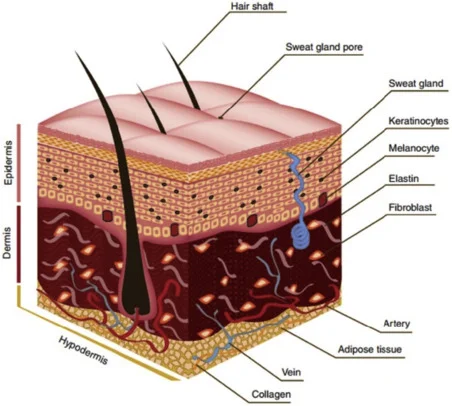
Structure of the Skin- The skin consists of three main layers such as:
Epidermis : The epidermis is outside layer of the skin. It carries melanocytes which
produce melanin that is responsible for skin color and UV protection.
Functions:
- Acts as a protective shield.
- Prevents moisture loss and
- Regenerate itself every 28–30 days.
Dermis :The dermis lies under the epidermis and contains collagen, elastin, blood vessels, nerves and hair follicles.
Functions:To Provide strength and elasticity,nourishes the epidermis,supports sweat and oil glands
Hypodermis : This deepest layer consists of fat and connective tissue.
Functions: To Insulate the body,absorbs shock and stores energy.
The Types of Different Skin
People’s skin is different from each other, and so is the skin color. Skin nature differs according to genetic characteristics, weather, diet, hormones and lifestyle. Generally, skin is divided into several main types, which if known, make it easier to take proper care of the skin.
Normal skin is considered the most balanced. This type of skin type is not too dry or excessively oily. The skin looks smooth, soft and healthy and usually has fewer problems with acne or blemishes. Dry skin lacks moisture, resulting in rough and flaky skin. Sometimes tightness, itching or cracks can also occur, especially in winter.
Oily skin secretes excess sebum, which makes the skin look shiny. This type of skin is more likely to have acne, blackheads and whiteheads. Combination skin has some parts of the face dry and some parts oily. Usually the forehead, nose and chin are oily, but the cheeks are dry. Sensitive skin reacts very easily to environmental changes or cosmetic use. This skin can turn red or feel irritated and burned for a small reason. If you understand your skin type and take regular and proper care of it, your skin will remain healthy and beautiful for a long time.
Discover More: Scalp Care
To understand your skin type is essential for proper skincare.
Normal Skin
Balanced oil and moisture of the body,smooth texture and
minimal imperfections.
Oily Skin
Excess sebum production,glossy appearance and Prone to acne and blackheads
Dry Skin
Lacking moisture,feels tight and rough.More prone to wrinkles.
Combination Skin
Oily T-zone (forehead, nose, chin)
Dry or normal cheeks
Sensitive Skin
Easily irritated,redness,itching and burning.
Reacts to skincare products
Some Common Skin Problems
Although the skin is an important part of our body, various problems can occur due to various reasons. Environmental pollution, unhealthy lifestyle, unhealthy diet, hormonal changes, wrong skin care and lack of nutrition are some of the reasons for skin problems. If these problems are not solved in time, it has a negative impact on the beauty and health of the skin.
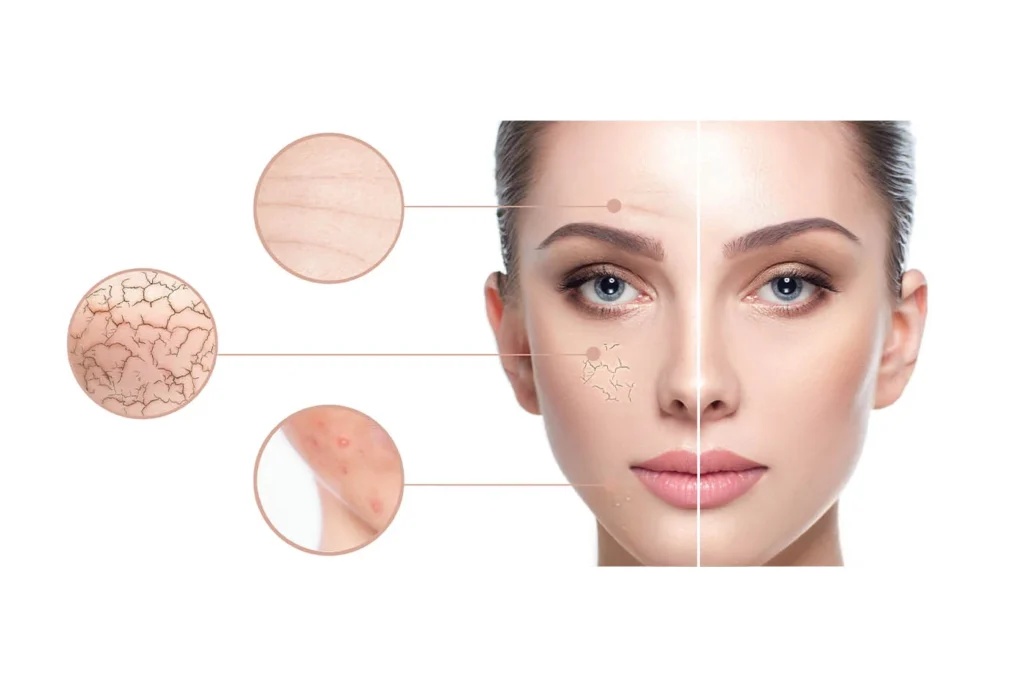
Redness and acne are the most common skin problems. Acne can occur when excess oil accumulates on the skin and the pores become blocked. It can be observed in everyone from teenagers to adults. Another common problem is dry skin. Due to lack of sufficient moisture, the skin becomes rough, flaky and tight and can sometimes itch.
Skin blemishes and dark spots are also a common problem. Dark spots can appear on the face due to prolonged exposure to excessive sun, acne scars or hormonal changes. Sensitive skin can experience redness, irritation or rash, which increases for a small reason. Apart from this, allergies, fungal infections and itching are among the common skin problems. Another common skin problem is wrinkles and sagging skin with age. These skin problems can be largely controlled with proper care, cleanliness, drinking enough water, and following a healthy diet.
Acne :Acne is a common skin problem . Acne occurs due to clogged pores, excess oil, bacteria, and hormonal imbalance. It not only affects teenagers but also adults.
Hyperpigmentation : Dark spots of body,melasma and uneven skin tone caused by sun exposure, hormones or inflammation.
Dryness and Dehydration : caused by harsh weather, lack of hydration and overuse of skincare products.
Eczema : Eczema is a chronic inflammatory condition . Eczema causes itching, redness, and dryness.
Psoriasis : Psoriasis is an autoimmune condition that leads to thick, scaly skin patches.
Premature Aging : Wrinkles, fine lines, and sagging skin caused by sun damage, smoking, stress, and poor skincare.
Importance of Daily Skincare Routine
A daily skin care routine is very important for keeping your skin healthy and beautiful. Regular cleansing removes dust, oil, and germs, reduces the risk of acne, and keeps your skin clear. Using moisturizer plays a positive role in maintaining the moisture of the skin, so that the skin does not dry out and become rough very easily. Sunscreen protects the skin from the harmful rays of the sun and helps reduce blemishes and redness. A regular skin care routine maintains the skin’s natural glow and keeps the skin healthy in the long run.A consistent skincare routine helps to maintain skin health and prevent long-term damage.
Morning Skincare Routine
Such as:
Polite cleanser
Toner
Serum like Vitamin C serum
Moisturizer
Sunscreen (SPF 30 or higher)
Night Skincare Routine
Makeup remover or cleansing oil
Cleanser
Treatment serum like retinol, niacinamide etc.
Moisturizer
Eye cream
Role of Sunscreen in Skin Protection
Sunscreen is one of the most important skincare products. UV rays are the most leading cause of premature aging, pigmentation and skin cancer.
Benefits of Sunscreen
To Prevent sunburn
Reduces wrinkles and fine lines
Protects against skin cancer
To maintain skin tone.
Suggestion: Use broad-spectrum sunscreen and reapply every 2–3 hours when outside.
Nutrition and Skin Health
The role of nutritious food is very important in maintaining good skin health. The food we eat has a direct impact on the skin. Vitamins A, C and E help keep the skin bright and healthy and play an important role in wound healing. Vitamin C helps in the production of collagen, which helps in keeping the skin firm and supple. Protein plays an important role in building skin cells. Omega-3 fatty acids reduce skin dryness and help in controlling inflammation. Drinking enough water keeps the skin hydrated and plays a special role in flushing out toxins. Vegetables, fruits, nuts and whole grains provide beneficial nutrients for the skin. On the contrary, excess fast food, sugar and oily foods can increase skin problems. Therefore, maintaining a balanced diet will help the skin stay naturally beautiful and healthy.
Best Foods for Healthy Skin :
Antioxidants Fruits such as berries, oranges.Vegetables such as spinach, carrots, tomatoes.Healthy fats such as avocado, nuts and olive oil. Protein such as fish, eggs, legumes.
Essential Vitamins for Skin :
- Vitamin A helps skin to repair and renew.
- Vitamin C increases Collagen production
- Vitamin E works as an antioxidant protection.
- Zinc helps skin to control acne and healing
- Hydration.
Drinking enough water keeps skin plump, hydrated,clear and elastic.
Natural Remedies for Skin Care

The first step in skin care is natural methods that are safe and effective. Aloe vera gel protects the skin from moisture and reduces irritation. Honey acts as a natural moisturizer. Turmeric helps reduce skin blemishes and acne. Cucumber and rose water keep the skin fresh and cool. Regular use of these natural ingredients keeps the skin healthy and glowing.
There’re Many natural ingredients support for skin health such as:
Aloe Vera : Placacne irritation,hydrates skin,helps heal acne scars.
Honey :Honey called Natural moisturizer and antibacterial properties.
Turmeric :Turmeric reduces inflammation and brightens skin.
Green Tea : Green tea is rich in antioxidants. It reduces acne and redness.
Some Modern Skincare Treatments
In the modern era, there are various ways to treat the skin, among which laser therapy, chemical peels, microdermabrasion and facial procedures are popular. These help reduce skin blemishes, acne, wrinkles and abnormal skin problems. With regular and proper use, the skin remains bright and healthy.
Chemical peels
Chemical peels that Improve skin texture and pigmentation by exfoliating dead skin cells.
Laser Therapy : Laser therapy treats acne scars, pigmentation, and wrinkles.
Microneedling: Boosting collagen production and skin repair.
Botox and Fillers:To reduce wrinkles and restore facial volume.
Skincare Mistakes to Avoid
- To Skip sunscreen
- Using too many products
- Sleeping with makeup
- To ignore neck and hands
- Over-exfoliating
Skin Care Tips for Different Ages people
In 20s age:
- They should focus on prevention.
- They need Sunscreen and hydration.
In 30s age
- They have to add anti-aging serums.
- They should use retinol carefully.
In 40s and Beyond
- They need deep hydration.
- Collagen-boosting treatments.
Mental Health and Skin
Stress and anxiety can worsen our skin conditions like acne, eczema, and psoriasis. Practicing meditation, exercise, and proper sleep improves skin health.
Skin Care for Men
Men’s skin is thicker,rough and oilier.
Men need gentle cleansing,
regular shaving care.
and lightweight moisturizers.
Seasonal Skin Care
In Summer season:
Should use Gel-based products.
Need extra sun protection.
In Winter season:
Rich moisturizers and avoid hot showers.
Importance of Sleep for Skin
Adequate sleep is essential for beautiful and healthy skin. During sleep, body cells regenerate and helps in faster healing of skin wounds if any. Lack of sleep can lead to dark spots, puffy eyes and wrinkles on the skin. During sleep, the skin produces essential hormones, which keep the skin soft and radiant. Regular and adequate sleep helps in maintaining skin moisture and slows down aging. Therefore, it is important to get 7-8 hours of sleep every day for healthy skin and a fresh look.
For Sustainable and Clean Skincare
Everyone is increasingly choosing:
Paraben-free products,relax skincare
Eco-friendly packaging product.
When everybody need to See a Dermatologist
Consult a skin specialist if well faces:
Excess acne
Suddenskin changes
Persistent rashes
Unnessary moles
Future of Skincare Treatment
The future of skincare is evolving and combining technology and science to find more ways to treat the skin. Modern diagnostic technologies such as AI and genetic scans can easily identify skin types, problems and genetic predispositions. As a result, it will be possible to create a customized skincare regimen for each individual.
In addition, biotechnology and nanotechnology play an important role as an easy way to deliver effective ingredients deep into the skin. Holistic approaches such as nutrition, mental health and lifestyle can be combined with skincare to improve skin health. Self-treatment methods will also increase through social media and online platforms, but the importance of professional advice will remain intact. The skincare of the future will be fast, accurate and fully tailored to individual needs.
Conclusion
Skin is not just about beauty—it’s a reflection of overall health, lifestyle, and self-care of human body. To understand our skin type we should follow a consistent skincare routine,eating a balanced diet, and protecting our skin from environmental damage . We can achieve long-lasting,healthy,glowing and shinny skin