
Hair Transplant Complete Guide, Procedure, Cost, Risks and Results
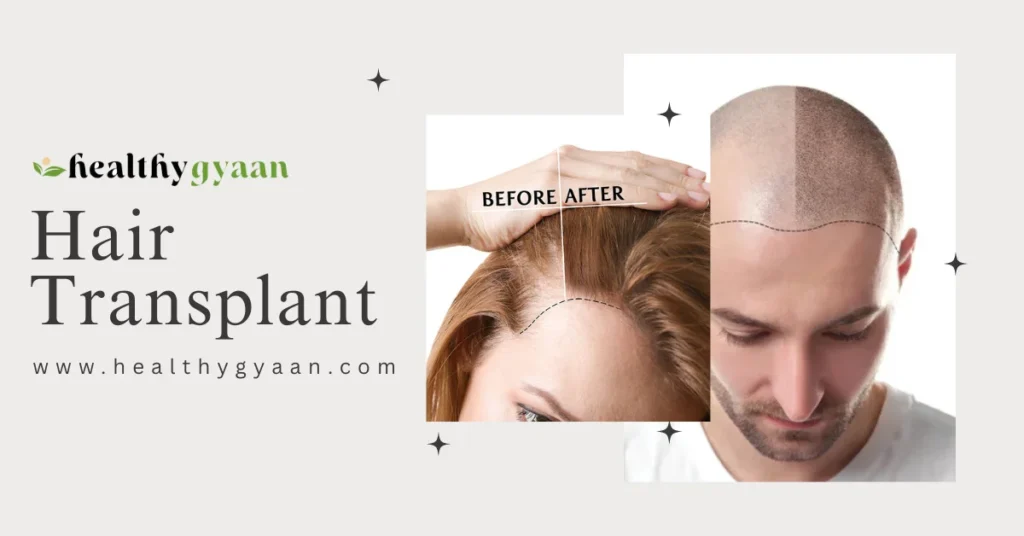
Hair loss or baldness has become a very common problem among both men and women these days. When the desired results are not achieved even after using oils, medicines or serums, Hair Transplant is an effective and long-term solution. It is a surgical procedure where healthy hair follicles are taken from the back or sides of the head and transplanted to the bald area.
Currently, there are several popular methods or methods for hair transplantation. Among them, FUT, FUE and DHI are the most widely used or popular methods. In the FUT method, a small part of the scalp is cut and the follicles are taken, which is relatively inexpensive but may leave scars. In the FUE method, separate follicles are collected, which leaves less scars and helps in faster recovery. The function of DHI is to perform the operation through a modern and advanced method, where the follicles are directly placed through a special pen, resulting in more natural results.
The cost of hair transplant depends on the procedure, number of grafts, clinic and doctor’s experience. Usually, the cost is determined per graft, so the cost may vary from person to person. There are minor potential risks of this procedure, such as temporary swelling, redness or mild pain. However, the damage is minimal when performed by an experienced doctor. Hair may fall out in the first few weeks after the transplant, which is normal. New hair starts growing within a few months. All in all, hair transplant is a safe and effective procedure that, if done correctly, provides a satisfactory solution to the long-standing problem of baldness.
What is Hair Transplant?
Hair Transplant is a modern medical procedure that permanently solves the problem of hair loss or baldness. In this procedure, healthy hair follicles are collected from the part of the head where the hair is thick and strong, usually the back or side of the head. Later, those follicles are transplanted to the part with less hair or baldness. Since the transplanted hair is from the body’s own body, they grow naturally and last for a long time.
Hair transplant is mainly suitable for those who have a permanent problem with hair loss and the use of ordinary oils, medicines or serums is no longer working. This treatment is usually done under local anesthesia, so it is not very painful. Some hair may fall out initially after the transplant, but within a few months, new hair starts growing and gradually the hair looks thicker and more beautiful.
Why is Hair Transplant necessary?
Hair Transplant is necessary when hair loss becomes a more permanent problem and normal treatments no longer work. Many people lose their hair permanently due to genetic reasons, thinning hair with age, hormonal changes, long-term stress or illness. In this situation, using oils, shampoos or medicines can reduce hair loss a little, but new hair cannot grow. Hair transplant helps restore normal density by replacing your own hair in bald or empty areas. It also plays an important role in increasing self-confidence.
There can be many reasons behind hair loss.
For example:
- Hereditary baldness
- Abnormal hormonal changes
- Excessive stress
- Age-related hair thinning
- Accident, burn or surgery scars
- Long-term bad hair care habits
When these causes permanent hair loss and normal treatments do not work, hair transplant is a realistic solution.
Who can undergo a hair transplant?
Hair Transplant is not for everyone and not everyone can do it because this type of treatment is very expensive. Generally, those who are above 23 years of age are considered suitable for this procedure. Those who have sufficiently thick and strong hair at the back or sides of the head, that is, a good donor area, get good results. Also, hair transplant is more effective in those whose hair loss is at a stable stage and is not growing at a very fast rate. It is important to keep yourself fit while going for this type of hair transplant. It is important to not have any serious infection or skin disease on the scalp and to have diabetes or blood pressure under control. Above all, it is safest to take a decision according to the advice of a specialist doctor.
Not everyone is suitable for hair transplant. Generally, this procedure works well for those who:
- People who are over 23 years old.
- Those who have good and thick donor area (back hair).
- Those who have stable hair loss.
- Those who do not have any serious scalp infections.
- Are physically fit.
A dermatologist or hair transplant surgeon will examine your hair and scalp to decide if you are suitable.
Main methods of Hair Transplant
There are three main methods of Hair Transplant. The first is FUT (Follicular Unit Transplantation), where a small strip of skin is cut from the back of the head and follicles are collected. The second is FUE (Follicular Unit Extraction), in this method hair follicles are taken individually. The third and modern method is DHI (Direct Hair Implantation), where follicles are directly transplanted through a special pen, resulting in more natural looking hair and faster results.
Currently, Hair Transplant is the most widely used method. The methods are given below.
Discover more here: Hair Oil for Hair Growth
FT (Follicular Unit Transplantation)
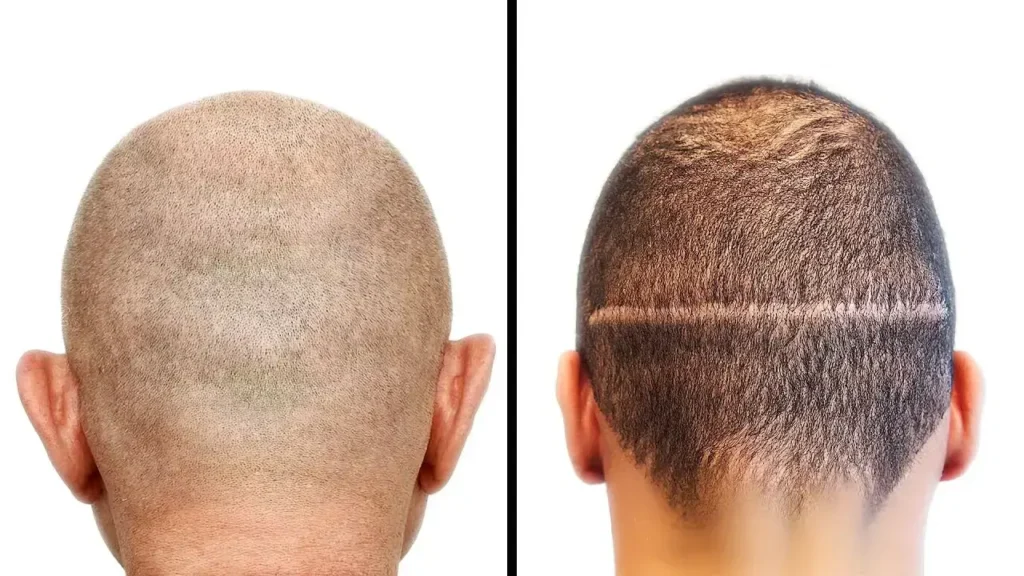
In this method, a small strip of skin is cut from the back of the head. Then, individual follicles are collected from that strip and placed in the bald area.
Advantages:
More grafts can be taken at once
Comparatively less expensive
Disadvantages:
May leave a small scar on the back
Takes longer to heal
FUE (Follicular Unit Extraction)
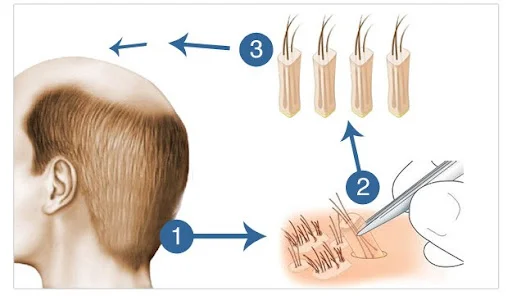
In this method, individual follicles are harvested directly from the scalp. No major incisions are required.
Advantages:
Little or no scarring
Quick recovery
Currently the most popular method
Disadvantages:
Comparatively expensive
Takes more time
DHI (Direct Hair Implantation)
DHI is an advanced version of FUE, where follicles are directly transplanted using a special pen.
Advantages:
Very precise results
Easy to control hair direction and density
Disadvantages:
High cost
Not available in all clinics
Steps for Hair Transplant
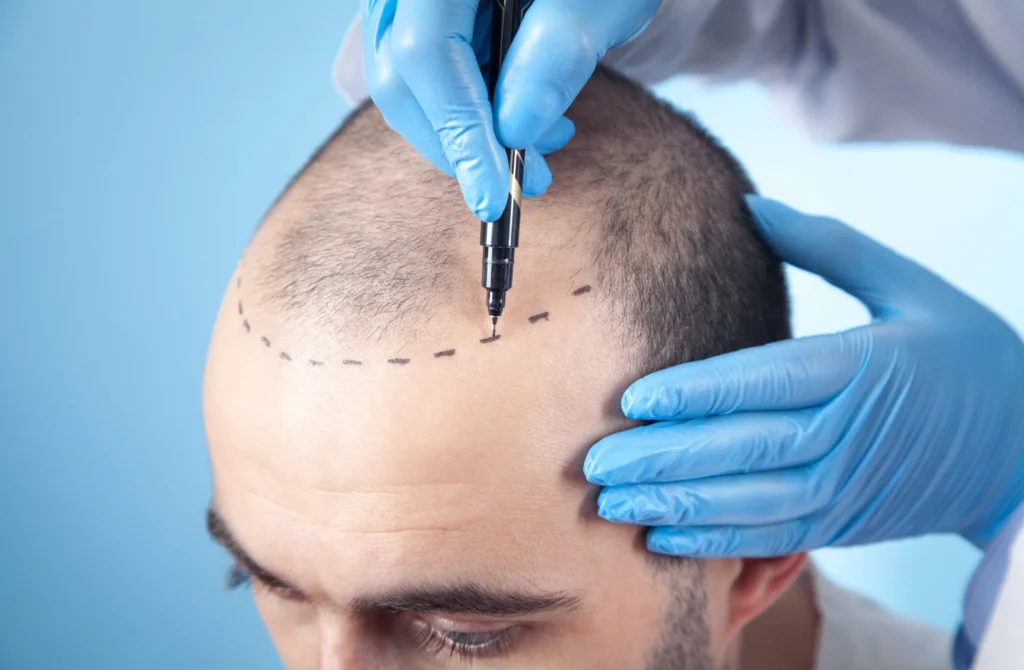
The steps of Hair Transplant are usually completed in several stages. First, the patient’s hair and scalp are thoroughly examined and the number of grafts required in each area is determined. Then the hairline is designed so that the results are good. In the next step, the donor area of the head is numbed with local anesthesia and hair follicles are collected from there as needed. The collected follicles are specially stored. Then, small channels are created in the hair-less or bald areas and the follicles are transplanted into them. The entire process takes a few hours. At the end, bandages and necessary instructions are given so that a quick recovery is possible.
In other words, first the scalp is examined and designed. Then the follicles are collected from the donor area. Then small channels are created in the bald or thin area and the follicles are implanted. The entire process can usually take 5 to 8 hours, depending on the number of grafts. Local anesthesia is used, so the pain is very minimal.
What happens after a hair transplant?
After a hair transplant, there are some normal changes to the scalp, which are nothing to be afraid of. There may be mild pain, swelling, or redness in the first few days after the operation. This is a normal reaction of the body and will gradually resolve with the medication prescribed by the doctor. During this time, it is very important to keep the head clean and to minimize touching.
In the first 7 to 10 days, small scales form around the transplanted hair. These fall out on their own. Forcing the hair roots can damage the hair. In many cases, the transplanted hair falls out within 2 to 6 weeks, which is called shock loss. This is temporary and does not affect the results.
After about 3 months, new hair starts growing. At first, the hair grows thin and slow, but over time, the hair becomes thicker and stronger. Good changes can be seen within 6 months, and full results can be seen in 9 to 12 months.
After a hair transplant, avoiding smoking, eating nutritious foods, and regular follow-up will make the results better and longer-lasting.
Is Hair Transplant permanent?
Hair Transplant usually gives permanent results, because the hair used in it is taken from the area where there is thick hair, which is genetically resistant to hair loss.
That is, even if these hairs are transplanted to another part of the head, they survive for a long time and grow normally. However, it should be noted that although the hair on the transplanted part is permanent, the hair on the rest of the head may fall out over time. Therefore, many times, a doctor’s advice is taken to take medicine or services, so that hair thinning can be reduced in the future.
The durability of hair transplant depends on the method used, the skill of the surgeon, and post-care. Proper care, such as using prescribed medications, avoiding dust, keeping the scalp clean, protecting it from sunlight, and avoiding excess stress, helps in making the results last longer.
In short, hair transplant is essentially a permanent and effective procedure that can provide a long-term solution to hair loss problems, but regular care is essential to maintain the health of the entire head of hair.
Are there any risks of Hair Transplant?
If performed by an experienced surgeon and in a good clinic, the risks are very low. However, there are some potential problems:
- Infection
- Unusual swelling
- Temporary pain
This is why the experience of the clinic and the doctor is very important.
Care after Hair Transplant
Taking proper care after Hair Transplant is a very important step for the results. It is advisable to avoid direct pressure or rubbing on the head for the first few days. Medicines should be used regularly as per the doctor’s advice to reduce infection or swelling. It is better not to use oil or chemical-containing products for the first 10 to 20 weeks. The head should be protected from direct sunlight. Environments that can cause dust or allergies should be avoided. The scalp can be washed using a mild shampoo, but should not be rubbed too much. It is important to follow-up as per the doctor’s instructions and have regular hair checks. With proper care, new hair grows thickly and naturally and permanent results are ensured.
Hair Transplant Cost
The cost depends on several factors:
- Which method is being used
- How many grafts are needed
- Clinic and doctor experience
- Country and city
In Bangladesh and India, the cost is usually determined per graft. In the case of advanced methods, the cost is comparatively higher.Hair Transplant vs. Other Treatments Many people ask, without a hair transplant
Will medicine or serum work?
Medications such as minoxidil or finasteride can help reduce hair loss, but they do not regrow hair in bald areas. Hair transplant is the only method that can visibly and permanently cover bald areas.
Common Misconceptions About Hair Transplant Many people think that hair transplant is very painful or dangerous. In fact, with modern technology, it is a safe and relatively easy procedure. Another misconception is that results are available immediately. In fact, you have to be patient and wait for several months.
Conclusion
Hair Transplant is an effective and permanent solution to modern hair treatment. It is mainly suitable for those whose hair loss has become permanent and ordinary oils, serums or medicines do not give the desired results. The procedure is safe, relatively less painful and has low risks when done by an experienced surgeon. Hair Transplant is done through these few methods: fut, ful, and dhi. Each method has its own advantages and regulations, so the method is selected according to the patient’s hair type, density and scalp and the treatment is done accordingly. Hair Transplant is not only limited to restoring hair density, it also has a positive effect on self-confidence and mental well-being.
If the correct method is followed, treatment is done by an experienced surgeon and regular rules are followed, the transplanted hair is permanent in the long term. As a result, it not only restores the physical health of the hair, but also restores the natural beauty and confidence of the person’s appearance. Therefore, Hair Transplant is an effective and realistic option for those who have been dealing with baldness for a long time.
Hair Transplant FAQ
What is Hair Transplant?
It is a surgical procedure in which hair follicles are taken from the back of the head and transplanted to the bald area.
Is Hair Transplant painful?
Usually local anesthesia is used, so the pain during the procedure is very minimal. However, the pain decreases within a few days.
Is Hair Transplant permanent?
Transplanted hair is usually permanent, because the hair in the donor area is genetically resistant to hair loss.
Who can get a Hair Transplant?
It is suitable for those who are over 24 years old, have a good donor area on the head, and are experiencing permanent hair loss.
Which method is best for Hair Transplant?
FUT, FUE and DHI are the most popular. The selection of the method is based on the type of hair and the surgeon’s advice.
Is additional care required after Hair Transplant?
Proper care such as prescribed medications, sun protection, not pressing or rubbing the head, and regular follow-up help in making the results last longer.