
Psoriasis Skin Disease Causes Symptoms Treatment and Complete Guide to Lifestyle
Psoriasis is one of the most talked about and complex skin diseases of our time. It is basically an autoimmune condition that deeply affects the skin of the human body.
Its difference from common skin diseases is that it is not an infection or contagious problem but rather it is the result of abnormal growth of cells inside the body. This problem arises when our immune system mistakenly attacks healthy cells. About 2 to 3 percent of the world’s population suffers from this problem. Below we will discuss each aspect of psoriasis in detail.
What exactly is psoriasis and why does it occur?
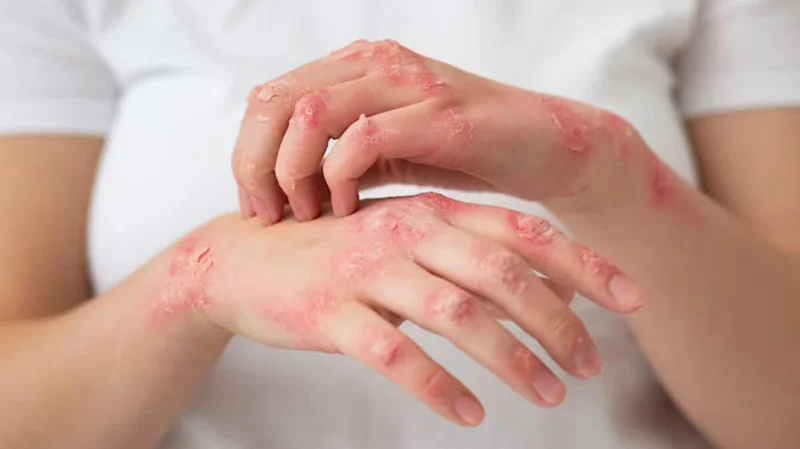
Our skin is constantly shedding old cells and producing new cells. In normal people, this process of producing new cells takes 28 to 30 days. But in patients with psoriasis, this process occurs in only 3 to 4 days. When new cells are produced so quickly, the old cells do not get a chance to fall off. As a result, they start accumulating on the skin. These accumulated dead cells later look like thick scales or white layers.
According to researchers, there are two main reasons behind this. One is genetics or heredity and the other is a defect in the immune system. If the father or mother of the family has this problem, then this risk also increases in the case of children. In addition, when a type of white blood cell called T-cell in our body is confused and attacks the skin cells, inflammation occurs there. As a result of this inflammation, the skin starts producing cells rapidly.
Main types and descriptions of psoriasis
Psoriasis is not just one type. It can be divided into several types based on which part of the body it affects and what its type is.
Plaque Psoriasis
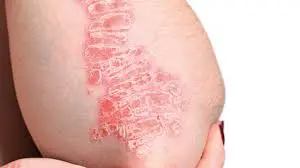
This is the most common type of psoriasis. About 80 to 90 percent of patients are affected by this type. It causes reddish scales to form on various parts of the body and is covered with silvery dead skin. It is mainly seen on the elbows, knees and lower back. These areas can be very itchy and sometimes the skin breaks and bleeds.
Guttate Psoriasis
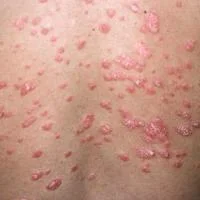
This type of psoriasis is mainly seen in children and young people. It looks like small water droplets and can spread all over the body. This disease usually appears after an infection with a bacteria called Streptococcus. It affects the hands, feet and scalp more.
Inverse Psoriasis
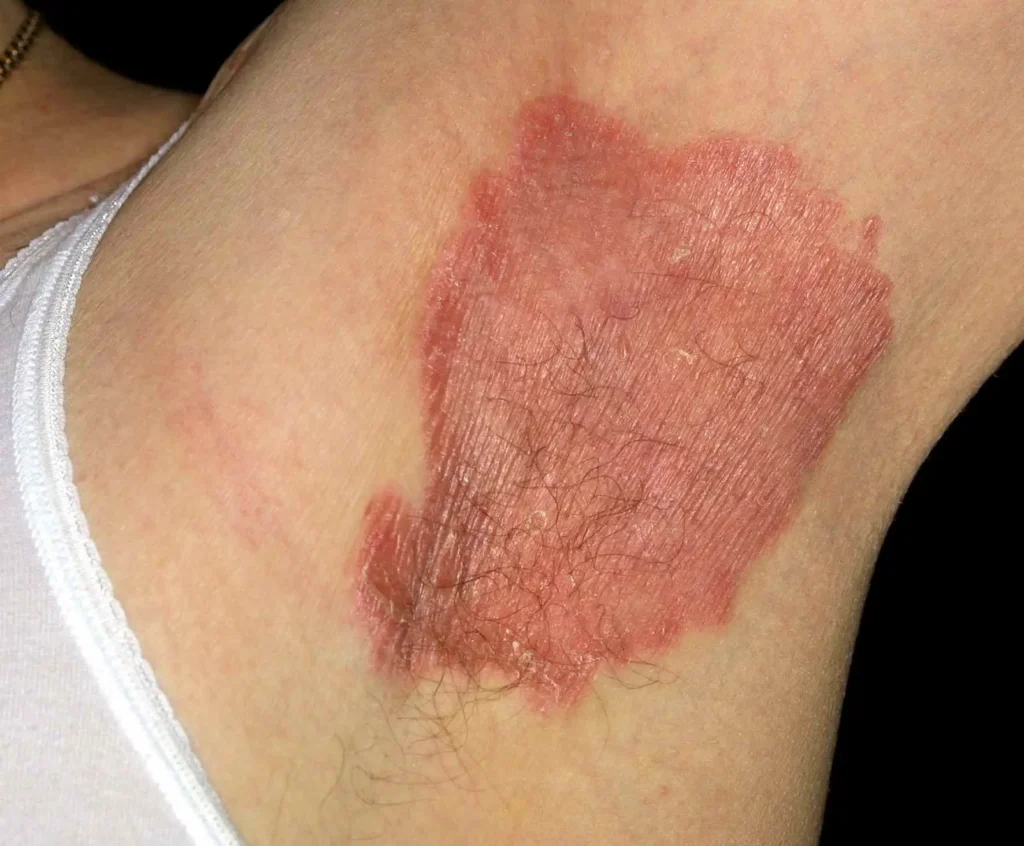
This usually occurs in the folds of the body such as the armpits, groin or under the breasts. In this type of psoriasis, the skin is not very scaly but looks red and smooth. Sweating and friction can aggravate the problem, which can be very painful for the patient.
Pustular Psoriasis
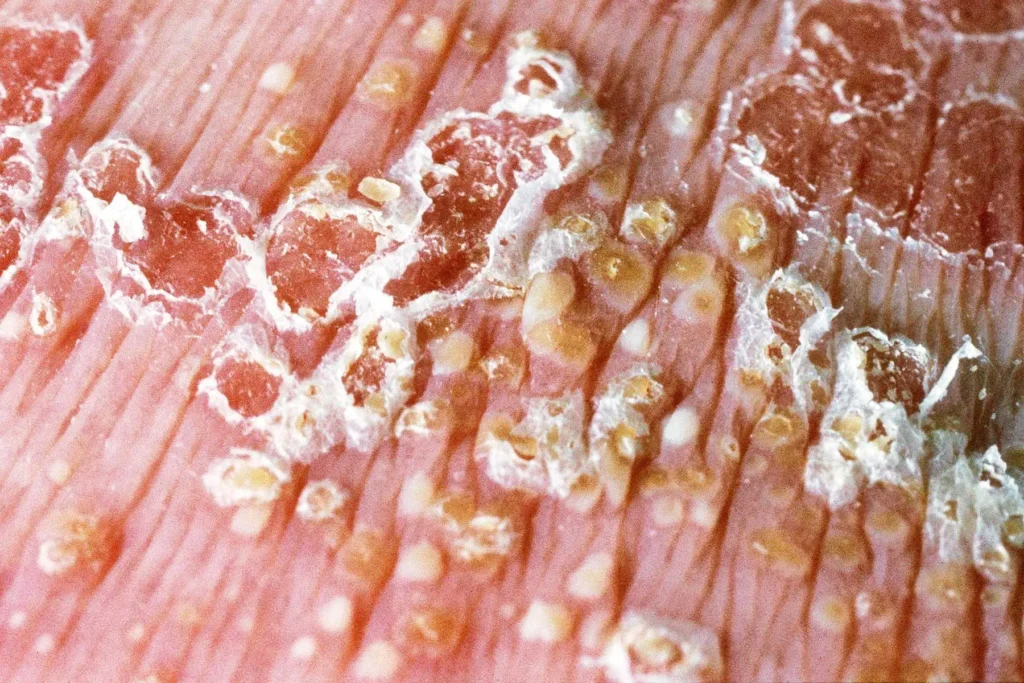
This is relatively rare but quite serious. It causes small, white, pus-filled bumps on red areas of the skin. It can occur all over the body or may be limited to the palms of the hands or soles of the feet. These pustules are not contagious, but they may be accompanied by symptoms such as fever or body aches.
Erythrodermic Psoriasis
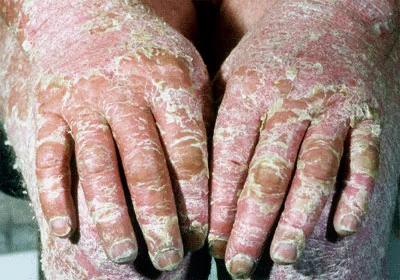
This is the most dangerous form of psoriasis. In this, the skin all over the body turns red and starts to peel off like scales. It can destroy the body’s ability to regulate temperature and increase the risk of heart failure. In such a situation, the patient needs to be hospitalized immediately.
Some trigger factors behind psoriasis flare ups
In many cases, psoriasis remains dormant but can flare up suddenly due to certain factors, called trigger factors.
- Stress: One of the biggest problems of modern life is stress. When people are under excessive stress, the body’s immune system weakens and psoriasis spreads quickly.
- Weather changes: Winter is the most difficult time for psoriasis patients. Dry weather and lack of sunlight make the skin rougher, which increases itching.
- Side effects of medications: Taking some medications for high blood pressure or malaria can sometimes trigger psoriasis. Therefore, it is important to consult a dermatologist before starting any medication.
- Smoking and drinking: Smoking tobacco products increases inflammation in the body. Studies have shown that the symptoms of psoriasis are much more pronounced in smokers.
- Skin injury: If you cut or burn somewhere, there is a possibility of psoriasis developing at that place, which is called the Koebner phenomenon in medical science.
Psoriasis or eczema which is your skin problem?
When red spots or itching appear on the skin, many people are confused about what disease it is. Especially since psoriasis and eczema look very similar, there is a possibility of wrong treatment. However, if you look a little deeper, it is possible to find some clear differences between these two problems. If the correct disease is identified, it becomes much easier to recover quickly.
Ways to recognize it by looking at the type of itching
The biggest difference between eczema and psoriasis is the nature of their itching. In the case of eczema, the itching is so intense that the patient loses control and starts scratching the skin. Many times, water or pus starts dripping from the affected area while itching. On the other hand, in the case of psoriasis, although there is itching, there is a burning sensation. The affected area of psoriasis feels as if someone is pricking it with a needle or the area is excessively hot.
Differences in skin texture and color
If you look closely at the skin of the affected area, you can easily understand the difference between the two. In psoriasis, the skin becomes very thick and a silvery or white coating forms on it. This coating looks like fish scales, which can show small blood spots when scratched with a fingernail. But in eczema, the skin is usually thin and looks much drier and scaly. In eczema, the skin can break down and look like a crooked road, but there is no thick coating like in psoriasis.
Affected area or location
The part of the body where the disease is occurring is also a major means of identification. Psoriasis is mainly seen on the hard bone areas of the body, such as the elbows and knees. It is also very common on the scalp. On the other hand, eczema usually attacks soft and folded areas of the body. Such as the wrists, eyelids, back of the neck or the folds behind the knees. In children, eczema is more common on the cheeks or chin, which is not often seen in psoriasis.
Why it’s important to know the difference
If you misdiagnose your condition, you risk using the wrong medication, which can make your skin condition worse. For example, the kind of harsh ointments or therapies that are given for psoriasis can be harmful to the sensitive skin of eczema. Again, it is almost impossible to reduce the thick scales of psoriasis with ordinary moisturizers for eczema. So take a good look at your skin type in the mirror and compare your symptoms. If you think it is more than just a simple itch, you should definitely consult an experienced dermatologist.
.
Use of modern medical methods and medicines
- Topical Therapy : Initially doctors prescribe various creams or lotions. Corticosteroids are one of them, which reduce inflammation quickly. In addition, ointments containing salicylic acid help remove dead skin. Currently, vitamin D analog creams are quite popular because they slow down cell growth.
- Phototherapy : The sun’s ultraviolet rays help reduce psoriasis. However, there is a risk of burning in natural sunlight, so doctors use controlled ultraviolet rays in a lab. This is called narrowband UVB therapy, which provides long-term relief.
- Biologics : This is the most modern version of psoriasis treatment. These injections directly block the protein in the body that is causing inflammation. Biologics work like magic, especially for those whose bodies do not respond to common medications.
Lifestyle rules for psoriasis patients
In addition to medication, some daily habits can greatly reduce your suffering.
Reduce the use of hot water: Do not take long baths in very hot water. This destroys the natural oils of the skin. Use lukewarm water and do not stay in the bath for more than 15 minutes.
- Reduce the use of hot water: Do not take long baths in very hot water. This destroys the natural oils of the skin. Use lukewarm water and do not stay in the bath for more than 15 minutes.
- Use moisturizer: Use a good quality moisturizer or coconut oil all over the body within 3 minutes of finishing the bath. This will retain the moisture of the skin and prevent the skin from cracking.
- Wear cotton clothes: Always try to wear loose cotton clothes. Synthetic or woolen clothes cause friction on the skin, which can increase itching.
- Get enough sleep: Resting the body keeps the immune system calm. Ensure at least 7 to 8 hours of sleep every day.
Diet and psoriasis
While there is much debate about the direct relationship between food and psoriasis, some foods help reduce inflammation.
- What to eat: Eat fish rich in omega-3 such as hilsa or sea fish. In addition, fruits like spinach, broccoli and berries increase the body’s immunity. Olive oil can be used in cooking.
- What to avoid: Avoid red meat or beef as much as possible. Sugary drinks and excessively fried foods increase inflammation in the body. Gluten-containing foods increase psoriasis in many people, so you can reduce flour or wheat from the diet and choose rice-based foods.
Social awareness and mental health
A large proportion of psoriasis patients suffer from depression. They suffer from inferiority complex due to the misconceptions of society and the loss of skin beauty. We must remember that psoriasis is not a curse but a physical problem. Family members should provide emotional support to the patient and encourage him to lead a normal life.
Effects of psoriasis and psoriatic arthritis on bone joints
Psoriasis is not limited to the skin, but in many cases it also affects the joints of the bones inside the body. When this skin problem is accompanied by joint pain and swelling, it is called psoriatic arthritis. About 30 percent of psoriasis patients may be affected by this problem. This pain is usually felt in the fingers, toes, and lower back.
After waking up in the morning, the joints are stiff and difficult to move. If it is not treated on time, there is a possibility of permanent bone damage. Therefore, if joint pain occurs along with skin problems, it is important to seek expert advice quickly.
How to recognize psoriasis symptoms in children and a special care guide for parents
Because children’s skin is much thinner and more sensitive, their psoriasis symptoms manifest themselves differently than adults. Many times, parents mistake this problem in children for a simple diaper rash or allergy. But if proper care is not taken at the right time, this problem can spread throughout the child’s body. Guttate psoriasis is more common in children, which looks like small red spots. It can usually appear suddenly on the child’s back or stomach after an infectious disease or sore throat.
The first step in special care for children is to always keep their skin moist or moisturized. Very little and mild soap should be used for bathing, which will not destroy the natural oils of the skin. Applying coconut oil or a good quality baby moisturizer to the wet body immediately after bathing can prevent cracking of the skin. In addition, children’s nails should always be kept short because they can tear the skin with their nails while itching, which can later lead to infection.
Difference between scalp psoriasis and dandruff
Many people mistake scalp psoriasis for common dandruff. Common dandruff is white and thin, which falls off easily. But in the case of psoriasis, a thick layer forms on the scalp that looks like silver or powder. It is not limited to the scalp but also spreads to the forehead, ears or back of the neck.
Scalp psoriasis can cause hair loss, but if treated, the hair grows back. For this problem, instead of regular shampoo, special shampoos containing coal tar or salicylic acid should be used. It is strictly forbidden to scratch the scalp with your nails while bathing, as this can increase the infection.
Alternative and natural treatments for controlling psoriasis
Along with modern treatment, many people prefer to take the help of alternative or home remedies. Although these are not an alternative to the main treatment, they help reduce the severity of the disease. For example, bathing in water mixed with oatmeal or barley powder reduces skin irritation to a great extent.
In addition, apple cider vinegar mixed with water and applied to the scalp provides relief from itching. However, no natural ingredient should be applied directly to the affected area. The anti-inflammatory properties of turmeric or curcumin have been proven to be quite helpful in reducing psoriasis. It is safe to discuss it with your current doctor before starting any alternative method.
Ways to get rid of post psoriasis scars and restore skin radiance
After psoriasis heals, dark or white spots often remain on the affected area, which looks a bit unusual. In medical terms, this is called post-inflammatory hyperpigmentation. Many patients get worried when they see these spots and think that they may be permanent. In fact, this is not the case because with proper care and time, the skin regains its previous color. When the skin goes through the healing process the cells take some time to return to normal.
To quickly remove these spots, it is very important to use sunscreen when going out in the sun. Sunlight often makes the spots darker, so it is necessary to take protection. In addition, using serums or certain creams containing vitamin C can quickly lighten the skin spots. However, one thing should always be remembered that it is not right to use any harsh chemicals or spot removal creams before psoriasis has completely calmed down. It is safe to use these cosmetics only when the skin is completely healthy and stable. It is also possible to restore the moisture and normal color of the skin by using natural ingredients such as aloe vera gel or coconut oil.
Discover more here: Stomach Care
Psoriasis and the mental struggle When skin disease puts pressure on the mind
Psoriasis not only damages the outer skin of the body, it also creates deep wounds inside the person. Since our society places a lot of importance on external beauty, people affected by this disease go through extreme mental anguish. When reddish rings or silvery scales appear on different parts of the body, patients start thinking of themselves as different from everyone else. This inferiority complex eventually turns into severe mental stress, which further aggravates psoriasis.
Social isolation and lack of confidence
People with psoriasis often avoid social events or public gatherings. They are afraid that others will hate their skin condition or find it touchy and will distance themselves. Especially when this problem occurs on the scalp or hands, the sight of people makes the sufferer very embarrassed. This leads to an increased tendency to be alone for long periods of time, which ultimately leads to social anxiety or social phobia. Lack of self-confidence also negatively affects the patient’s personal life and work.
The vicious cycle of anxiety and psoriasis
In medical science, this close relationship between the mind and the skin is compared to a cycle. When a patient is excessively worried or stressed about his skin condition, the body’s immune system becomes excited. This excitement directly affects the skin cells and makes the symptoms of psoriasis more severe. That is, stress increases psoriasis and the deterioration of psoriasis pushes the patient towards more stress. To break this cycle, it is essential to take care of mental health along with physical treatment.
Depression and its remedies
Many patients struggle with this chronic skin disease and become depressed. Sometimes they lose faith in treatment and think that they will never get rid of this disease. In this situation, the role of family members is the most important. It is not enough to just give the patient medicine and finish the task, but you need to talk to him/her openly. If necessary, you should seek the advice of an experienced psychologist or counselor. If you have mental strength, it becomes much easier to control any disease in the body.
Modern biologic therapy is a new frontier in psoriasis treatment
Biologic drugs have revolutionized psoriasis treatment in the past decade. Doctors turn to these drugs when conventional medications fail to work. Biologic drugs are essentially lab-made proteins that directly target specific parts of the body’s immune system.
They block a protein called interleukin or TNF-alpha, which is responsible for inflammation. As a result of this treatment, many patients whose bodies were previously covered in red scales are now getting completely clear skin. Although this treatment is a bit expensive and requires an injection, it is much more effective than any other method.
Nail psoriasis symptoms and its remedies
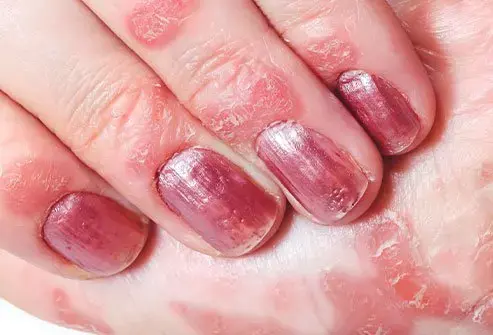
Psoriasis can affect not only the skin but also the nails of the hands and feet. This is called nail psoriasis. Many times, people mistakenly treat it as a fungal nail problem. The main symptom of nail psoriasis is small holes or pin-prick marks on the nails.
In addition, the nails may become thick and the color of the nails may turn yellow. In some cases, the nails may come loose from the root, which is quite painful. To take care of your nails, you should always keep your nails short and use gloves while working. Doctors usually give special drops or injections to be applied to the base of the nails.
Proper exercise and physical activity for psoriasis patients
Physical activity or exercise indirectly helps in controlling psoriasis. Being overweight or obese increases the severity of psoriasis because fat cells release certain substances that cause inflammation. Regular exercise helps control body weight and increases blood circulation, which helps in rebuilding skin cells. However, excessive sweating can sometimes cause skin irritation. Therefore, it is better to take a quick shower with lukewarm water after exercising.
In addition, swimming is quite beneficial for psoriasis patients, but after using the chlorinated water of the swimming pool, you should apply a good moisturizer to the skin so that the skin does not dry out.
Conclusion
Psoriasis is not just a common skin disease but a long-term complication of the body’s immune system. In medicine, it is identified as an autoimmune condition where the body’s immune system mistakenly starts attacking its own healthy cells. While it takes about a month for normal skin cells to grow, this process is completed in just a few days in the skin of a person suffering from psoriasis. As a result, the dead cells do not have time to shed and accumulate on the skin, forming a thick and scaly reddish layer that looks like silver scales.
This disease usually appears more on the elbows, knees and scalp, but it can spread to any part of the body, even the nails. The main symptoms of psoriasis include severe itching, burning and excessive dryness of the skin. Sometimes the affected area may also bleed. Although the exact cause is not yet fully known, genetic characteristics and environmental influences are attributed to it. Stress, smoking, alcohol consumption and cold weather can increase the severity of the disease many times.
To control psoriasis it is very important to use moisturizer regularly and lead a healthy lifestyle. It is not a contagious disease in any way, so there is no obstacle in coming into contact with an affected person. Nowadays, it is possible to completely control this disease through advanced medical methods and medications and live a normal life.