
A Complete Guide to Eczema Causes Symptoms and Remedies
Nowadays, most people suffer from eczema.Eczema is a well-known skin disease that can affect people of all ages, from children to the elderly.
It is essentially a long-term inflammatory condition of the skin caused by an overreaction of the body’s immune system. Although many people think of it as a childhood disease, in reality it can appear for the first time at any age or recur repeatedly throughout life. Proper skin protection and awareness play the most important role in dealing with eczema, regardless of age.
It is basically a skin condition where the skin becomes red and feels extremely itchy. It is called Atopic Dermatitis in medical terms. If not taken care of properly, this problem can become chronic and cause discomfort in daily life.
What exactly is eczema?
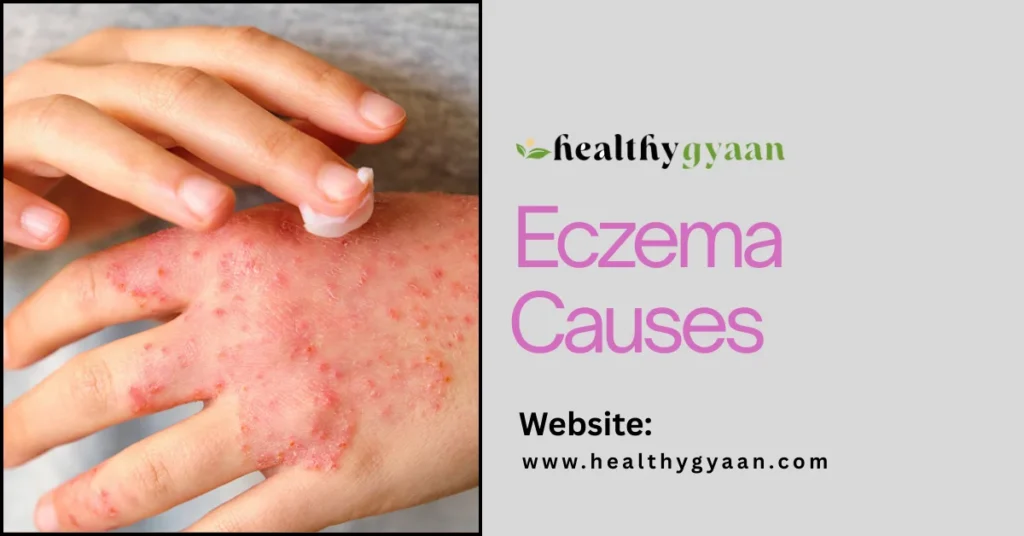
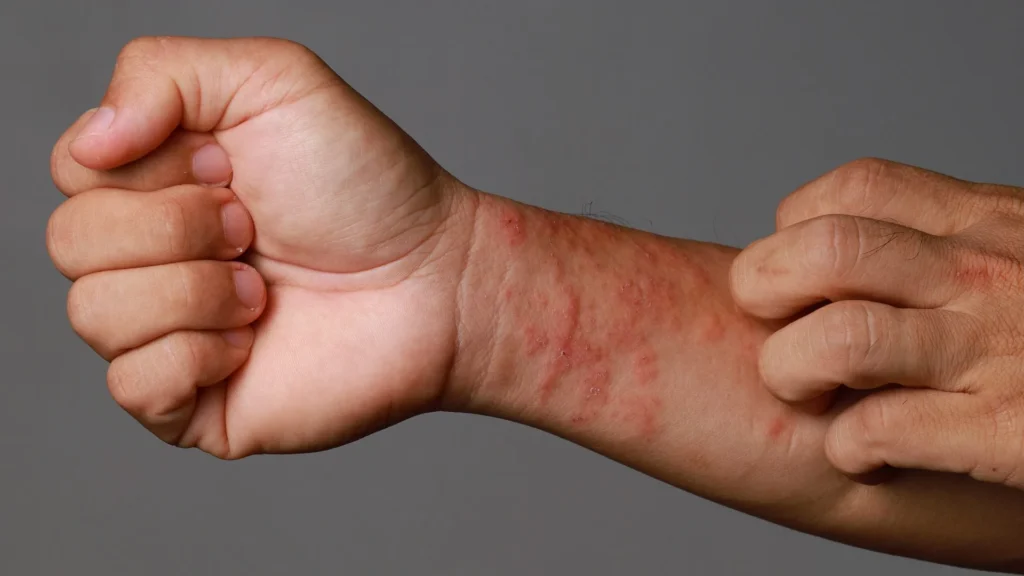
Eczema or dermatitis is a long-term skin condition where the skin becomes red, itchy and sometimes swollen. It is not a contagious disease but is the result of an abnormal reaction of the body’s immune system. Dry skin is usually hereditary or aggravated by exposure to dust.
Eczema can cause small rashes on the skin and the skin may break open and ooze fluid. It can occur anywhere on the body but is most common in the folds of the hands, feet or joints. Regular use of moisturizers and staying away from soaps or chemicals are the main ways to control this disease.
Main types of eczema
The manifestations and types of eczema are very diverse, so there are many differences in its symptoms and severity from person to person. Simply put, it manifests itself differently in each person’s body. In some cases, the skin may be just flaky or red, while in others, it may cause severe itching and lesions. Such differences in the types of eczema occur mainly because of the different immune systems and environmental influences of the human body.
- Atopic dermatitis: This is the most common type that usually begins in childhood.
- Contact dermatitis: This problem occurs when you come into contact with a certain chemical or object.
- Dyshidrotic eczema: It appears as small blisters on the palms of the hands or soles of the feet.
- Seborrheic dermatitis: It usually appears more on the head or in areas like dandruff.
How to recognize the symptoms of eczema
Although the manifestations of eczema are not the same for everyone, some common symptoms are observed in most patients. Although its severity may vary from person to person, redness, dryness of the skin and unbearable itching are considered the main signs of this disease. In simple terms, although the symptoms appear differently according to the body structure of each person, the basic problems are almost the same.
- Severe itching: This is the biggest symptom of eczema and can get worse at night.
- Redness: The affected area becomes red and swollen.
- Dry and flaky skin: The skin can become extremely dry and cracked.
- Small bumps or blisters: Sometimes small bumps appear on the affected area, which can ooze juice.
- Thickening of the skin: Prolonged itching can cause the skin in that area to become hard and dark.
Why does eczema occur?
The exact cause of eczema is still unknown, but researchers believe that several factors play a role. A complex combination of environmental factors and genetics is believed to be the root cause of the disease. Although no single cause has been identified, an abnormal response of the body’s immune system is thought to be responsible for this skin condition.
- Heredity: If someone in the family has eczema or asthma, it is more likely to occur.
- Environmental influences: Excessive heat or extreme cold can reduce the moisture of the skin and aggravate eczema.
- Allergies: Sensitivity to certain foods or soaps and detergents is one of the causes.
- Stress: Sometimes, excessive anxiety can also increase the incidence of eczema.
Home remedies to control eczema
Although it is challenging to cure eczema permanently, it is entirely possible to keep it under control through conscious living and following the right rules. Although there is no magic way to completely eliminate it, necessary lifestyle changes and proper care can relieve the suffering of this disease. Basically, by developing the right habits, the severity of eczema can be reduced and a normal life can be led.
- Regular use of moisturizer: The skin should never be allowed to dry out. It is important to use good quality lotion or petroleum jelly right after bathing. This helps to retain moisture in the skin.
- Choosing the right soap: Excessive alkaline soap damages the skin. Therefore, you should always use mild or natural soap.
- Wearing cotton clothes: Synthetic or woolen clothes cause friction on the skin and increase itching. Therefore, always choose loose cotton clothes.
- Food control: If it is seen that itching increases after eating certain foods such as shrimp or hilsa fish, it would be wise to avoid them.
Pathophysiology of eczema: why it happens
The top layer of our skin acts like a wall that keeps water in and germs out. In people with eczema, this ‘wall’ or skin barrier is weak. As a result, the skin loses water very quickly and becomes dry, and even a little dust or chemical from outside can penetrate deep into the skin and cause inflammation.
Due to the lack of a protein called Filaggrin, skin cells cannot stick tightly to each other.
- As a result, moisture inside the skin is lost quickly and the skin becomes excessively dry.
- As the protective layer is weak, external germs, allergens and chemicals easily penetrate deep into the skin.
- The body’s immune system reacts hypersensitively to these foreign elements.
- This reaction causes inflammation in the skin, which causes redness and swelling.
- Special cells called T-cells and cytokines further increase this inflammation.
- Due to inflammation, the nerve endings in the skin are stimulated, resulting in a feeling of intense itching.
- Many people are born with a predisposition to this problem due to hereditary or genetic defects.
- Environmental triggers such as dust or soap accelerate this process and manifest the symptoms of eczema.
Symptoms of eczema from early to complex stages
Eczema symptoms do not always remain at the same intensity, but rather occur in three distinct stages. These symptoms vary depending on the type of disease and the time it lasts. These stages are distinguished based on their severity and duration, which can vary from person to person.
- Acute Stage: During this stage, the skin becomes very red and small bumps appear. Sometimes a watery fluid oozes from the affected area. The itching is so intense that the affected person cannot concentrate on normal activities.
- Sub-acute Stage: In this stage, the skin starts to turn from red to black. The skin starts to crack and the skin starts to peel.
- Chronic Stage: If eczema continues for months, the skin in that area becomes thick and scaly like elephant skin. This is called ‘lichenification’ in medical terms.
Relationship between eczema and other diseases
Research has shown that eczema sufferers have a special health risk called the “Atopic March”. This means that if eczema is present in childhood, the likelihood of suffering from problems such as asthma and allergic rhinitis in later life is high.
In other words, eczema cannot be underestimated as a skin disease because ignoring it means inviting major respiratory complications in the future. Basically, this skin problem acts as an early signal of long-term allergies and lung diseases in many cases.
Discover more here: Psoriasis Skin Disease
Necessary changes in lifestyle
A planned lifestyle and awareness play a more effective role than medication in controlling eczema. While proper treatment provides temporary relief, changes in daily habits are the main way to keep this disease away in the long run. Therefore, instead of relying solely on medication, taking control of your lifestyle and eliminating harmful habits is the most effective way to stay free from eczema.
- Bathing rules: It is strictly forbidden to take a long bath in hot water. You should finish your bath in lukewarm water within 5 to 10 minutes. Do not use any perfumed or harsh chemical soap in the bath water.
- Moisturizing technique: After bathing, lightly wipe your body (before it dries completely) and apply a thick moisturizer within 3 minutes. Doctors call this the ‘Soak and Seal’ method.
- Home environment: Dust should not accumulate in the house. Especially carpets or curtains should be cleaned regularly because mites are the biggest enemy of eczema.
Modern treatment methods for eczema
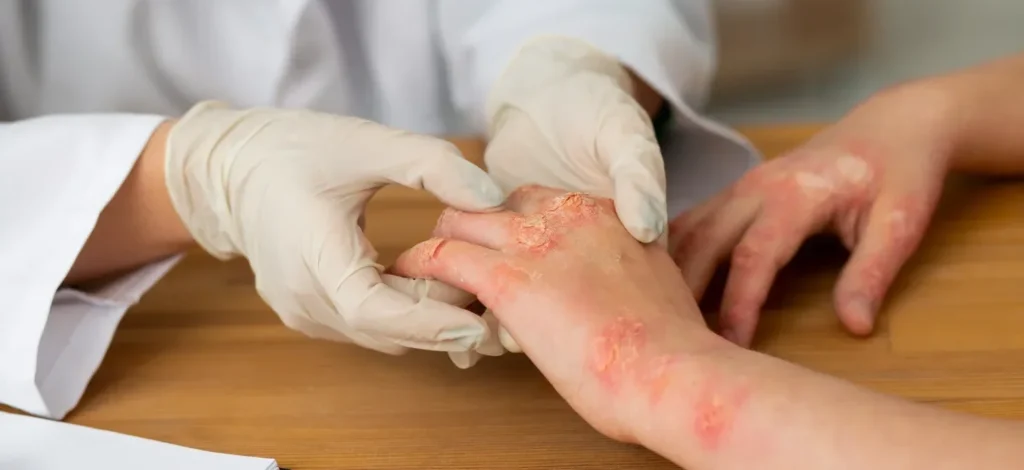
Eczema treatment is based on two main goals: to treat skin inflammation and restore lost moisture. Doctors usually provide a comprehensive treatment plan based on the patient’s current condition and the severity of symptoms. The main goal of this treatment is to remove roughness of the skin and keep it soft, while at the same time reducing burning or itching.
Topical Steroids
This is the most common treatment for eczema. When the skin becomes excessively red and the itching reaches an unbearable level, steroid creams or ointments are used. They quickly reduce inflammation. However, it should be remembered that it is dangerous to use it for a long time without a doctor’s advice because it can thin the skin.
Topical calcineurin inhibitors
These medications are especially effective for people who have not responded to steroid medications or who have eczema on their face or other sensitive areas of the body. They work by controlling the specific part of the immune system that is responsible for causing itching and inflammation in the skin. In simple terms, this modern treatment works directly on the root of the problem and helps to quickly restore the skin to its normal state.
Oral Medications
If eczema spreads to a large part of the body, doctors prescribe oral medications. One of these is antihistamines, which reduce itching and help you sleep at night. In addition, in severe cases, immunosuppressant drugs are given to calm the body’s overactive immune system.
Phototherapy
This is a type of light therapy. Ultraviolet (UV) rays are applied to the skin through a special machine. It works great for treating long-term and stubborn eczema.
Eczema and diet what to eat and what to avoid
There is a very close relationship between diet and eczema because in many cases, careless diet increases the incidence or flare-up of the disease many times over. Therefore, to control eczema, it is important to include foods in your regular diet that help reduce internal inflammation in the body. Basically, by consuming anti-inflammatory foods, you can naturally reduce the redness and itching of the skin. Choosing the right nutrition not only keeps the body healthy but also strengthens the skin’s immune system.
Anti-inflammatory Foods
- Omega-3 fatty acids: Marine fish (such as tuna or salmon) and flaxseed oil help retain skin moisture and reduce inflammation.
- Probiotics: Yogurt or fermented foods maintain good gut health, which indirectly boosts skin immunity.
- Colorful fruits and vegetables: Foods like apples, blueberries, cherries, and spinach are rich in antioxidants that keep skin healthy.
- Quercetin-rich foods: Quercetin, found in onions and broccoli, reduces the body’s release of histamine, thereby reducing itching.
To control the outbreak of eczema, it is important to pay special attention to the list of foods to avoid because although trigger foods or harmful foods are not the same for everyone, some common foods can quickly aggravate this problem. Avoiding these special foods from your regular diet can help relieve a lot of skin discomfort. Basically, identifying the foods that are harmful to your body and eliminating them is the initial step to reducing the flare-ups of eczema.
Trigger Foods
- Cow’s milk and dairy products: In many cases, dairy products increase the level of eczema.
- Gluten: Wheat-based foods or bread cause skin problems for many people.
- Sugar and processed foods: Excess sugar increases insulin levels in the body and causes inflammation.
- Almonds and soybeans: If you are allergic to these, it is best to stay away from them.
Eczema in Children A Special Guide for Parents
Children’s skin is much more sensitive and thinner than that of adults. Therefore, extra caution is needed when it comes to eczema in children. It is sometimes called ‘baby eczema’ and usually appears between the ages of two and six months.
Symptoms in children
- Redness of the face: Usually, red, scaly patches appear on the cheeks, forehead, and chin.
- Dry scaling: The baby’s scalp often develops a yellowish, scaly coating, medically known as ‘cradle cap’.
- Irritability and restlessness: Due to severe itching, the baby cries all day and cannot sleep at night.
How to take care
- Keep nails short: Babies cannot tolerate itching and tear the skin with their nails. This increases the risk of infection. So, cut your baby’s nails regularly.
- Bath in lukewarm water: Do not keep your baby in water for more than 5-10 minutes. Do not add any fragrance to the bath water.
- Selection of clothes: Always use 100 percent soft cotton clothes for babies. Before using new clothes, be sure to wash them with mild detergent.
- Wipe off saliva or drool: Babies salivate when they are teething. If this saliva sticks to the skin, eczema increases. So, wipe the face repeatedly with a soft cloth.
Natural Remedies for Eczema
Many people prefer to control eczema naturally instead of using medication. However, before using any natural ingredient, a patch test should be done on a small area of the skin.
Pure Coconut Oil
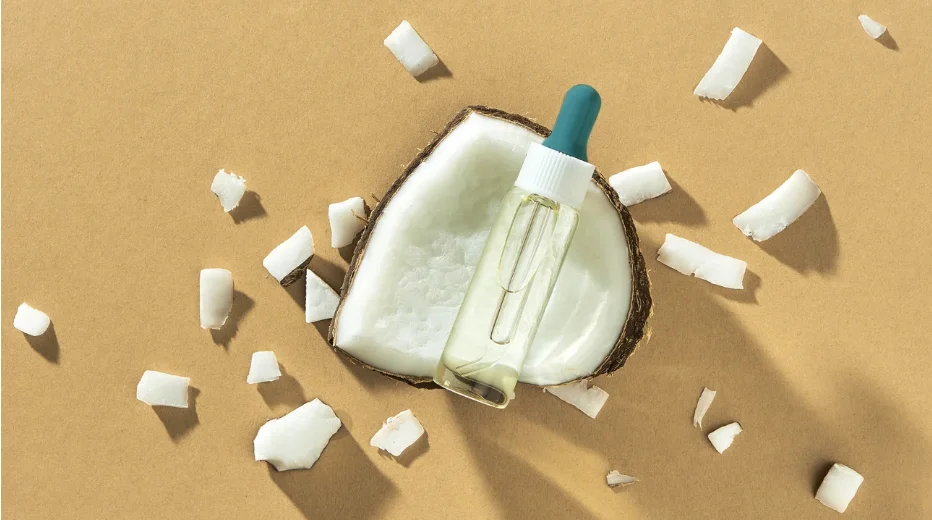
Coconut oil has anti-bacterial and anti-fungal properties. It prevents bacterial infections while retaining moisture in the skin. Applying virgin coconut oil to the affected area before going to bed at night keeps the skin soft.
Aloe Vera Gel

Aloe vera keeps the skin cool and reduces irritation. If the skin becomes excessively hot or red due to eczema, using aloe vera gel directly can provide relief. However, natural gel is more effective than the packaged gels in the market.
Oatmeal Bath

Colloidal Oatmeal is popular worldwide in the treatment of eczema. It creates a protective layer on the skin and reduces itching immediately. Mixing oatmeal with bath water and soaking the body in that water can be beneficial.
Use of Sunflower Oil

Sunflower oil works great to protect the top layer of the skin and retain moisture. It helps reduce inflammation and strengthen the skin barrier.
Tea Tree Oil

If there is a fear of infection at the eczema site, a few drops of tea tree oil can be mixed with water and used. It works as a natural antiseptic.
Common Myths About Eczema
Misconcept : Eczema is a contagious disease.
True: It is not contagious in any way. It is entirely a reaction of your body’s internal immune system.
Misconcept : Eczema only occurs when you are dirty.
True: While cleanliness is important, it is not just caused by being dirty. Using harsh chemicals while being excessively clean can also worsen eczema.
Misconcept : Eczema never heals.
True: In many cases, eczema heals on its own with age. Again, with regular care, it is possible to keep it under control in such a way that it does not affect daily life.
Seasonal changes and eczema coping with adversity
The severity of eczema fluctuates directly with the weather, so different skin care regimens are required for each season. Fluctuations in air temperature and humidity directly affect the skin, which can sometimes reawaken dormant eczema. It is essential to understand the weather patterns and take specific measures to address seasonal environmental challenges and keep your skin healthy.
Winter dryness
Winter is considered the most difficult time for eczema sufferers because the adverse effects of the weather directly affect the skin. Due to the abnormally low humidity in the air, the skin quickly loses its natural moisture and becomes extremely dry. This dryness results in cracks in the skin and unbearable itching, which often causes wounds or inflammation. Basically, the harshness of winter increases the severity of eczema many times, so special precautions are required during this time.
Tip: Use a heavy moisturizer at least three to four times a day in winter. You can use a humidifier at home to maintain the humidity in the air. Do not use excessively hot water while bathing.
Summer sweat and itching
Excessive sweating during the scorching summer heat can greatly increase the discomfort of eczema sufferers because the presence of salts in sweat causes severe burning and itching in the affected area. Sweat causes an uncomfortable reaction in the sensitive layer of the skin that can reawaken dormant eczema. Basically, in humid weather, if sweat cannot dry properly, it accumulates on the skin, further intensifying the level of inflammation.
Advice: Try to keep your body free from sweat at all times. Take a quick shower after coming back from the sun and wear light and airy cotton clothes. It is better not to stay in direct sunlight for a long time.
Fungal infections during the rainy season
The risk of fungal or bacterial infections on the skin increases significantly in the damp and humid weather of the monsoon. If a new bacterial infection occurs in the sensitive area affected by eczema, it is likely to spread very quickly. Basically, the excess water vapor in the air and the humid atmosphere keep the skin lesions moist for a long time, which plays a helpful role in the propagation of disease-causing bacteria. Therefore, it becomes very important to keep the eczema area clean and dry during the monsoon.
Advice: Don’t keep your body wet and don’t wear wet clothes for long. Try to keep the affected area dry at all times.
Modern technology and tools to combat eczema
Thanks to the incredible advancements in modern technology, eczema management has become much easier and more affordable than ever before. With advanced medical equipment and smart health apps, patients can now regularly monitor their skin changes from the comfort of their own homes. Thanks to the development of new effective drugs and therapies, the troublesome symptoms of eczema can now be alleviated much more quickly and completely.
Humidify
A humidifier is a modern device that helps maintain the humidity of the air inside a closed room at an ideal level. Especially in winter or in air-conditioned (AC) rooms, the dry air absorbs the natural moisture of the skin, which is harmful to eczema patients. Using this device maintains adequate humidity in the air in the room, which prevents the skin from becoming excessively dry or cracked. Essentially, by creating an artificially humid environment, it ensures the protection of the skin and reduces the discomfort of itching.
Eczema Tracking App
Modern smartphone apps now act as digital diaries for eczema management, where you can record the details of your skin changes every day. By regularly tracking your daily diet or environmental changes, it is easy to identify your own ‘triggers’ or sources of the disease. Basically, by analyzing the data obtained through these apps, you will be able to understand exactly which foods or situations are causing your eczema to flare up, which will make the path to future treatment easier.
The importance of mental strength for eczema sufferers
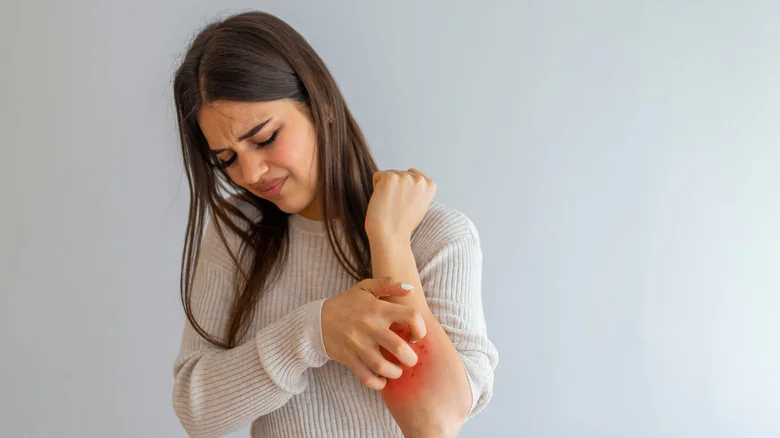
Maintaining mental toughness is very important for eczema patients because it is not just a skin disease but also has a deep and inseparable link with mental health. Skin discomfort often gives rise to mental anxiety, which in turn increases the incidence of eczema. Basically, having a healthy mind increases the body’s immunity, which makes it much easier to fight this long-term disease. Therefore, in the treatment of eczema, maintaining mental stability along with physical care is considered an integral part of healing.Below are 15 important aspects on this subject:
Patience and indomitable mental strength are essential to fight long-term eczema. Stress directly increases the body’s cortisol hormone levels, which makes eczema flare-ups more intense and painful. Various studies have shown that skin inflammation decreases dramatically faster when the mind is calm and still. The visible lesions of eczema often reduce self-confidence, which requires strong morale to overcome. In addition, maintaining self-control during intense itching and not scratching the affected area is a major mental challenge. Basically, positive thinking strengthens the body’s immune system, which helps the skin heal faster from the inside.
Even if the disease returns repeatedly, it is only possible through mental strength to take care of it with renewed enthusiasm without breaking down. A courageous attitude is required to overcome inferiority complex about the condition of the skin at social events or in front of people.Mentally strong people have a greater ability to tolerate sleep disturbances and physical discomfort. Depression or sadness can prolong the treatment of eczema, so it is important to keep the mind cheerful. Regular yoga or meditation brings mental stability, which plays a helpful role in improving the skin.
Accepting your disease and adapting to it reduces the feeling of suffering to a great extent. A strong desire to get well and self-love are the biggest weapons in the fight against eczema. If mental strength is maintained, it is easier to make the right decisions at the right time and take regular care. Basically, a calm mind is an essential condition for healthy skin, which can be more effective than drug treatment.
Social Support: Don’t isolate yourself because of eczema. Spend time with friends and family. Remember that it is just a physical condition that can be managed properly.
Stress Management: Anxiety or stress increases the release of histamine in the skin, which increases itching. Therefore, adequate rest and mental peace are the best remedies for eczema.
Conclusion
Eczema is not just a common skin problem but a chronic health challenge that needs to be dealt with with great patience and deep awareness. Although genetics and environmental factors are the main causes of this disease, it is possible to control it with the right knowledge and positive changes in lifestyle. Basically, maintaining the natural moisture of the skin and keeping yourself away from harmful chemicals or allergy-causing elements is the key to preventing eczema. Therefore, if you maintain regular proper care and awareness, it is not at all impossible to live a beautiful and comfortable life despite this complex problem.
The advancement of current medical science and the use of modern technology have made eczema management much easier than before. However, it is equally important to stay mentally strong and change your diet instead of relying solely on medication. Taking proper care of this disease, especially from childhood, can avoid major risks later in life like “Atopic March”.
Finally, with a combination of awareness and proper care, a person with eczema can also live a beautiful and normal life. Although it is difficult to completely eliminate it, it is not impossible to reduce its severity with regular care and following the doctor’s advice. Understanding your skin and taking action according to its needs should be your main tool against eczema.