
Heart valve disease and what we can do
Heart valve disease is a condition in which one or more of your heart valves do not work properly to pump blood.
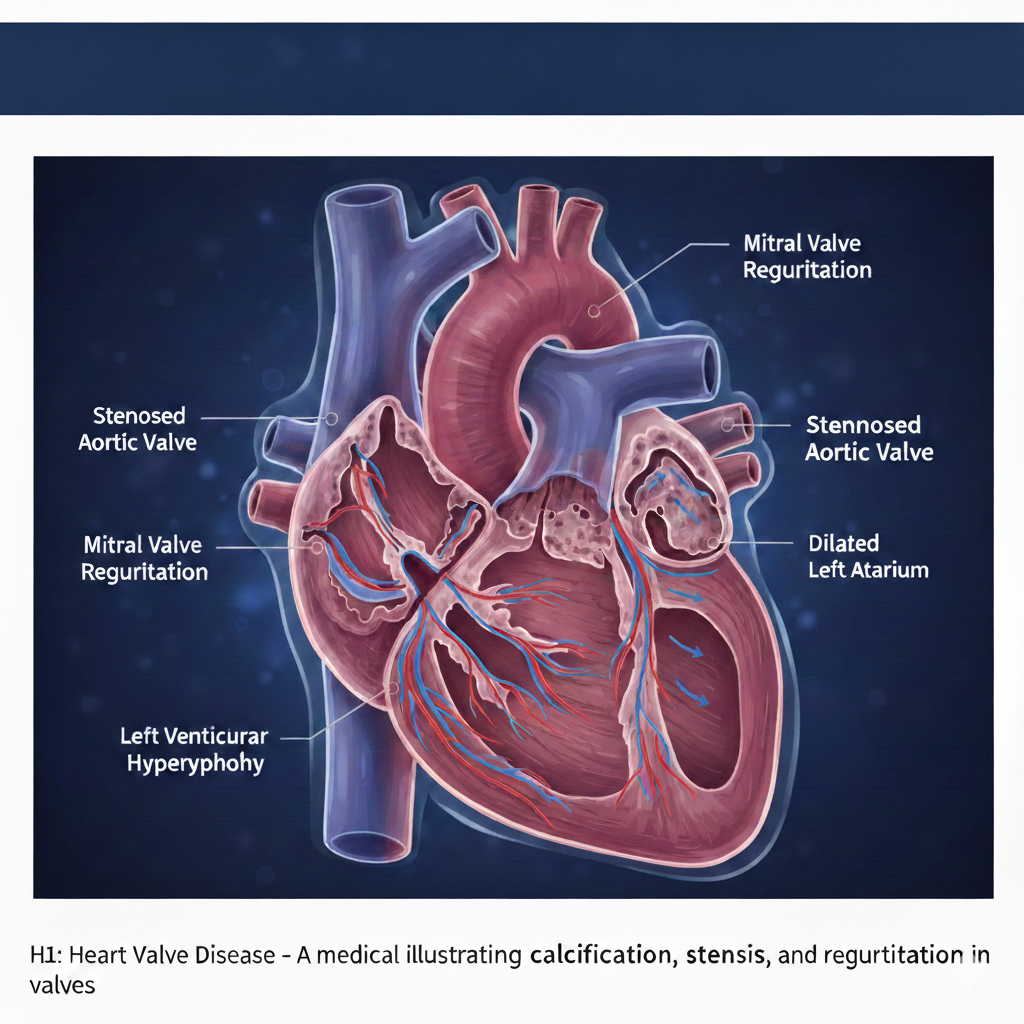
The heart works like a pump in our body and the doors of this pump are valves. When these doors do not open or close properly, danger occurs. In our country, many people avoid chest pain or shortness of breath, considering it normal.
But did you know that this negligence can lead to great danger?
The role of heart valves in maintaining normal blood circulation in the body is immense. If for any reason these valves become weak, it affects the entire body. Many times we do not even realize how tired our heart is getting inside.
Have you ever wondered why your heart palpitates when you climb a few stairs?
Is it just a sign of aging or something else?
- If you want to know, see below.
Why do heart valve problems occur and what are the symptoms?
Our heart has four valves that help blood flow in one direction. When these valves become tight or leaky, blood starts flowing in the opposite direction. As a result, the heart has to work harder.Did you know that long-term rheumatic fever can also cause permanent damage to heart valves?This problem is very common in our rural areas because we do not give importance to childhood fever.
Heart valve disease can cause symptoms such as chest pain, fatigue, and shortness of breath during regular physical exertion.
The symptoms of this disease appear very slowly. Many times the patient does not realize that he is sick. Feeling tired or having difficulty breathing while lying down at night are some of the symptoms of this disease. In addition, swelling of the feet or dizziness should not be taken lightly. If you notice that someone you know is panting even after doing a little work, it is necessary to advise him immediately.
Congenital heart valve defects

Many people may have problems with their heart valves from birth. This is called congenital heart disease. If the nails or lips of young children turn blue, you should be careful.
Valve changes with age
With age, calcium deposits can harden the valves. This narrows the blood flow path, which is quite risky for the elderly.
Is your heart not pumping blood properly?
One of the main causes of heart valve problems is infection. If germs enter our blood somehow, they can lodge in the heart valves. This is called endocarditis. Did you know that dental infections can also cause this heart problem? It may sound surprising, but it is true. So, it is not right to ignore any minor infection in the body.
Heart valve disease may require regular monitoring by a cardiologist to prevent further complications such as heart failure or stroke.
In this disease, doctors usually recommend an echocardiogram. It can easily show how much damage has been done to the valve. Current medical science has advanced a lot, so there is nothing to fear. If caught on time, it is possible to stay healthy with medication or minor surgery. We must remember that prevention is better than cure. By making small changes in our daily diet and lifestyle, we can keep our heart healthy for a long time.
Diet and Heart Protection
Excessive salt and fatty foods put pressure on the heart valves. So stop taking excess salt in your diet today.
Importance of regular exercise
Not heavy exercise but walking for at least 30 minutes every day keeps the heart muscles active and blood circulation normal.
Avoid tobacco and smoking
Bidi or cigarette smoke constricts the blood vessels which puts extra pressure on the heart valves. For a healthy heart, it is like poison.
Learn easy ways to keep your heart valves healthy
Taking care of your heart doesn’t have to cost a lot of money. By following the right rules and using the easily available vegetables of rural Bengal, you can stay away from many diseases.
Do you know how much rest your heart gets from getting enough sleep every day?
Reducing mental stress is also a great medicine for the heart. If we can change our small habits, it is possible to survive major surgeries.
| Key Information | Description for Patients |
| Early Warning | Look for swelling in ankles and persistent dry cough |
| Risk Factors | High blood pressure and previous rheumatic fever history |
| Best Practice | Get a professional heart screening once every year |
Here we will discuss 5 important things that will keep your heart safe:
- Rest: At least 7 to 8 hours of deep sleep every day keeps the heart functioning normally.
- Weight: It is very important to keep body weight under control because excess weight puts more strain on the heart.
- Salt: Reducing the amount of salt in the diet reduces the risk of high blood pressure, which protects the valves.
- Checkup: A heart checkup should be done at least once a year, especially if there is a history of heart disease in the family.
- Warning: If you feel slight pressure in the chest or have difficulty breathing, consult a doctor without delay.
What happens when a heart valve becomes narrow?
In medical terms, we call stenosis when the heart valve becomes narrow. This means that the path for blood to flow has become narrow. Have you ever wondered how much pressure is put on the pump when you force water through a narrow pipe? Similarly, the heart has to push blood with a lot of force.
Heart valve disease can make the heart muscle thicker and weaker over time due to this extra pressure.
Many mothers and sisters in our country suffer from this problem, but they think it may be a gas problem. Palpitations or dizziness when climbing stairs can be symptoms of this narrow valve. If you do not get it treated on time, the heart can become enlarged. And an enlarged heart is a danger signal. Therefore, it is very important to pay attention to small changes in your body.
Causes of valve stenosis
This problem is mainly caused by calcium accumulation in the valve mouth due to age or old rheumatic fever. This causes obstruction in blood flow.
Blood flow pattern
When the valve does not open properly, not enough oxygen reaches different parts of the body. As a result, the body feels tired all the time.
Discover more here: Food pyramid in nutrition
Is your heart valve leaking?
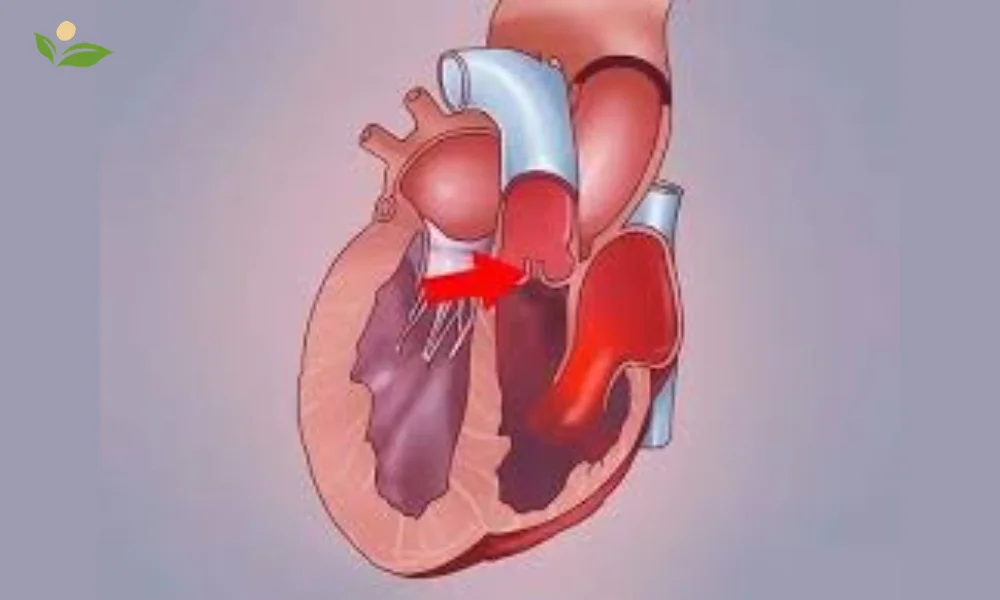
The opposite of stenosis is regurgitation, or a leaking valve. Simply put, blood flows back in the opposite direction because the valve doesn’t close properly.
- Can you imagine how dangerous it would be for a sailor to have water seep into the bottom of a boat?
Heart valve disease often leads to blood leaking backward, causing the heart to work twice as hard.
In this condition, the patient suddenly becomes very short of breath. If you do not raise your pillow while sleeping at night, it becomes difficult to breathe. Many people think that it may be asthma. But in fact, the problem may be in the heart valve. If you notice that your sleeping pattern is changing or you are suddenly waking up at night with shortness of breath, do not delay at all. These symptoms may be the initial stage of heart failure.
Mitral valve leak
This is an important valve in our heart. If it leaks, water can accumulate in the lungs, which can cause severe breathing problems.
Its effect on the body
As the blood flows in the opposite direction, water starts accumulating in the liver and legs. This causes bloating or swelling of the legs.
Can lifestyle changes keep the valves healthy?
Many of us think that heart disease means surgery. But in many cases, it is possible to control the disease by following the right rules. Did you know that excessive worry increases our blood pressure, which directly puts pressure on the heart valves?
Heart valve disease management requires a balanced diet and a stress-free environment to improve the quality of life.
We should include potassium-rich foods in our daily diet, such as bananas or coconut water. These help control blood pressure. In the village, we often eat too much salt with rice, which is very harmful to the heart. We need to change these habits. Besides, walking in the open air for
some time every day improves blood circulation in the heart. Is it very difficult to find at least 20 to 30 minutes for yourself every day?
Heart-healthy foods
Green vegetables, sea fish and oats help keep the heart valves and arteries functioning. They do not allow cholesterol to accumulate.
Mental peace
Meditation or yoga calms the body’s nerves. It plays a very effective role in reducing heart palpitations.
Regular weight calculation
Weigh yourself once a week. Sudden weight gain can be a sign of fluid accumulation in the heart.
When do you know it’s time to replace your valve?
When the valve can no longer be kept functioning with medication, doctors recommend valve repair or replacement. In many cases, valve replacement is now possible without cutting open the chest.
 Did you know that heart valves can now be easily implanted through a procedure called TAVI?
Heart valve disease treatment has evolved significantly, offering minimally invasive options for high-risk patients.
This modernization of treatment is a blessing for us. But the most important thing is to diagnose the disease at the right time. Many times we do not go to the doctor because of fear. Remember, if we hide the disease out of fear, it will not cure it, but rather it will become more complicated. Modern valves are long-lasting and can give the patient a normal life. Don’t you want your loved one to be as lively as before?
| Critical Factors | What You Need to Know |
| Valve Types | Mechanical valves last longer but require blood thinners |
| Biological Valves | Made from animal tissue and usually don’t need long-term medication |
| Recovery Time | Most patients can return to light work within a few weeks post-procedure |
Here are some other points that you need to know:
- Mechanical valves: These valves are made of metal and last a lifetime but require regular medication.
- Biological valves: These are made of cow or pig tissue. They have fewer complications from medication but may need to be replaced after a certain period of time.
- Blood thinners: After valve replacement, doctors prescribe special medications to prevent blood from clotting, which are mandatory to take regularly.
- Protection from infection: Before undergoing dental work or any other surgery after the artificial valve is implanted, it is essential to inform the heart doctor.
- Physical exertion: Although heavy work is prohibited after the operation, regular light exercise helps the heart recover faster.
- Family support: Family support is the greatest medicine for heart patients. Giving them mental courage speeds up the recovery.
Do we need to be aware to avoid heart valve complications?
Heart valve disease is basically a silent battle going on inside the body. When our heart becomes weak, it reduces blood circulation throughout the body. Did you know that if this disease is neglected, it can lead to stroke or heart failure? Heart valve disease often progresses quietly, meaning regular checkups are vital for those over fifty. Many in our society think that heart problems mean the fear of death. But if caught at the right time and the rules are followed, people can live a long life.
Are we tiring our hearts out more because of our negligence?
When you realize that you are having difficulty breathing or your body feels very weak, immediately consult a doctor. This small step can change your life.
Heart Failure Prevention
If the valves do not work properly, the heart muscles become enlarged. As a result, the heart loses its ability to pump, which leads to heart failure.
Infective endocarditis
Any infection in the blood is dangerous for those who have heart valve problems. Heart valves can also rot from gum or urine infections.
What should life be like after heart valve surgery?
This is a time of change in your life that will help you stay healthy.
After the surgery or valve replacement, patients think their lives have stopped. But in reality, it is not, rather it is the beginning of a new chapter in life.
- Did you know that patients with mechanical valves can also perform normal activities?
Heart valve disease recovery involves a strict medication schedule and eating heart-healthy foods consistently. The biggest challenge after surgery is to take the medication to thin the blood properly. Because not taking the medication can cause blood clots in the valve and be a big danger. Also, lifting heavy weights or running hard is not allowed for the first few months after
the surgery. But slow, light walking or doing simple household chores is good for the heart.
Don’t you dream of seeing yourself healthy again?
Follow-up visits
Echocardiograms are required at regular intervals after the operation. This will show whether the new valve has adapted properly to the heart.
Medication precautions
If you develop dark spots or bleeding gums while taking blood thinners, you should inform your doctor immediately.
What are the modern treatments for heart valves today?
The era of open heart surgery is almost over. With the advancement of technology, many delicate heart surgeries are now possible through the veins of the chest. Have you ever thought that it is possible to repair heart valves without any incisions? Heart valve disease treatments like Mitraclip or TAVI are saving thousands of lives without major surgery.In these modern methods, the patient can recover very quickly and return home.The amount of fear is also much less. Although these treatments are a little expensive, but nothing is greater than the value of life. These facilities are now available in many big hospitals in our country. If you know the right information, you can give your loved one the opportunity of this modern treatment.
Balloon Valvuloplasty:
If the valve becomes too narrow, the mouth of that valve can be widened with the help of a balloon. This is a very simple and effective method.
Robotic Heart Surgery:
In foreign countries, heart surgery is now performed with the help of robots. It is very precise and the wound on the body is very small.
Heart valve repair:
In many cases, the leak or torn part can be repaired by stitching it instead of replacing the entire valve. This is much safer than installing an artificial valve.
Very important rules to keep your heart healthy
We have to prove how much we love our heart with our actions. It is not enough to just say with your mouth that I want to be healthy. You have to strictly follow some rules. Are you ready to make these small sacrifices for your heart? Heart valve disease symptoms can be minimized by staying active and maintaining a low-sodium diet.
Here are some points that you need to add to your daily life:
- Salt avoidance: You should completely give up eating raw salt in your food.
- Rest: At least 8 hours of uninterrupted sleep every day reduces the pressure on the heart.
- Mental peace: Try to stay happy all the time and stay away from any major worries.
- Diet: Eat more fiber-rich foods that help keep the blood clean.
- Regular exercise: Keep your body active and avoid laziness because only when the heart is active, you are active.
Conclusion
The heart is the most important part of our body and its valves are the key to the engine that provides us with vitality. Heart valve problems or heart disease are not just a disease but can also be the result of our wrong lifestyle. If we had not neglected childhood fever or minor chest pain from the beginning, many people might not have to go to the operating table today.
Modern medical science has come a long way and now replacing heart valves has become a very common thing. But we must always remember that nothing artificial can be a substitute for natural valves. So we should be careful from now on. Avoiding excess salt and fatty foods, walking regularly and being stress-free can keep our heart functioning for a long time.
Is your heart healthy today? Take care of your own and your family’s heart because a healthy heart is the key to a beautiful life. Let awareness, not negligence, be our main mantra for longevity.
FAQ (General Questions)
1. Can people survive if their heart valves are damaged?
Yes, with timely treatment and valve replacement, people can stay healthy for a long time.
2. Can heart valves be damaged by rheumatic fever?
Yes, especially if rheumatic fever occurs in childhood, its effects on the heart valves in adulthood.
3. Can you fast after heart valve replacement?
Of course, before fasting, you should consult a heart specialist and change the medication schedule.
4. Can you exercise after heart valve surgery?
You can walk lightly a few months after the surgery, but you must get permission from your doctor before doing heavy exercise.
5. Do you need surgery if your heart valve leaks?
Only if the amount of leak is very large, surgery is required, or it can be controlled with medication.
6. Are there any special foods that are prohibited after heart valve replacement?
Generally, if you take blood thinners, you should limit your intake of spinach or foods high in vitamin K.
7. How long does a mechanical valve last?
Mechanical valves usually last for 20 to 30 years or more.
8. Is it possible to get married or have children with heart valve problems?
Yes, it is possible, but it is mandatory to consult a cardiologist before pregnancy.
9. Does the echocardiogram test detect everything?
Yes, the structure of the valve and the speed of blood flow can be clearly understood through the echocardiogram.
10. Is heart valve treatment very expensive?
This treatment is now quite affordable in government hospitals, but the cost may be a little higher with modern methods.