
Relationship between Energy and Human Health
Energy is indispensable for the growth and development of human health. It provides comfort as well as general well being to our health. There are many sources of energy present on our planet where the sun remains as the ultimate source of energy. In this content, we provide you all the things that you need to know about energy with its relationship to human health.
What is the Relation between Energy and Health?
Energy is very crucial for our day to day life. Energy production and utilization is necessary for human development and growth. With the transition to cleaner sources, the rotation of energy actually starts with the sun, and then transmits it from growth of the plant to the final composition of fossil fuels.
There are also other vital resources of energy that involve geothermal, hydroelectric power and nuclear energy.If we try to understand the consequences of these energy sources, we need to know the life cycle analysis for the evaluation of energy expenditure from raw extraction to waste management.
The new global targets like the climate charge and the exhaustion of petroleum supply have a noticeable impact on human health. As the production of energy is increasing day by day, it will bring about better health outcomes, like reduction of infant and child mortality rate.
With the Consumption of energy, more than 2000 to 3000 kg of oil equivalent per person does not help a person for the improvement of health. Health largely depends on energy security at the household level.
On the other hand energy poverty forms a barrier to the basic human needs and carries negative social outcomes with poor health consequences.
Energy is beneficial for our health.
However every firm energy has negative effects that range from immediate to long term impacts on the entire life cycle. It is very Important to know the differences between the primary ba energy sources like fossil fuels biomass and secondary energy sources like electricity to evaluate Tusetusks.
Nowadays the world depends heavily on fossil fuels such as petroleum, coal and gas which are the constituents of solar energy. Eventually, massive energy consumption plays a vital impact on public health.
How do people use household fuels?
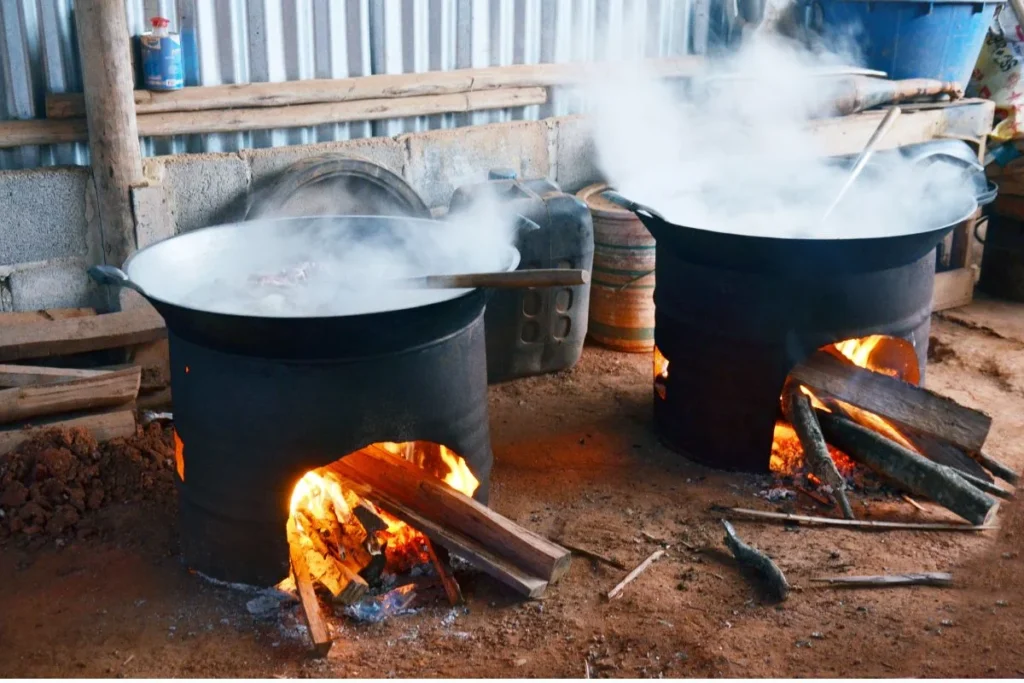
With the efforts of modernization of energy, currently about 2.1 to 2.3 billion people, which is almost one-quarter of the world’s total population, still depend on solid types of fuel such as wood, charcoal and animal dung for their basic cooking needs.
At present China is trying to ensure clean cooking access by 2028 where India is able to keep this rate at around 70% in 2022.
On the contrary, Sub-Saharan Africa is lagging behind in proper utilization of energy because of the huge population growth which is greater than their infrastructure development.
In this region, about 960 million people consume energy without the clean alternatives.
This energy poverty causes harm to the domestic environment due to production of toxic particulate matter from these fuels and it sometimes can reach levels 1000 times higher than the normal levels.
Women and children usually spend most of the time near the fireplace. This causes 3.2 million premature deaths annually due to respiratory and cardiovascular diseases. Not only does it create immediate respiratory problems but also it produces long-time health hazards due to the presence of 28 toxic pollutants.
Among those 28 pollutants, 14 pollutants are Carcinogens. In order to avoid these health hazards, we need to consume more energy from cleaner energy sources such as electricity and LPG. This conversion of energy consumption can save millions of lives especially in the rural area and low socio-economic communities.
What are the risks of household solid fuel?
The risks of household solid fuel are many. It mainly affects the health of children who come from poor families. The indoor air pollution in this area causes millions of deaths in a year from some respiratory diseases like pneumonia, lung cancer and COPD (chronic obstructive pulmonary disease).
There is also the association of other diseases such as Ischaemic heart disease, strokes and cataracts.Coal is harmful to human health from the Extraction Stages to the ultimate coal ash formation phase.
In the extraction phase, some respiratory diseases, namely as black lung(pneumoconiosis) silicosis and lung cancer, happen and mark long-term effects on the body.
Release of mercury, arsenic and other pollutants from the combustion of coal may produce short term and long term cardio-respiratory failure. Moreover, the use of coal in rail may create noise exposure.
The formation of coal ash from combustion may contain lead and radioactive substances which mix with local water to make it more hazardous to the people.There are a lot of harmful effects of health on wood usage as a household solid fuel.
The formation of smoke from wood fire holds a mixture of many toxic particulates and gases. These involve: benzene, acrolein and carbon mono-oxide and sometimes formaldehyde as well.
This inhalation of smoke that contains these particles can cause respiratory problems like asthma, exacerbate the lung disease and also increase the risk of the development of cardiovascular disease such as heart attack, stroke, heart failure to the ultimate early death.
In a research article, it states that about 3000 people in the U.S. die annually due to smoke inhalation problems.The use of petroleum and oil which is a pillar of modern energy consumption also has some side effects. In the extraction phase, the exposure of carcinogens, noise can lead to long term health impacts on humans.
When the petroleum and oil burns, it produces carbon mono-oxide, nitrogen oxides and ozone results in destruction of lungs and hearts. As the particles that release from combustion of petroleum mix with food, it will bring about food contamination to the area.
How efficient is nuclear energy as a source of energy?
It is one of the most reliable sources of energy production nowadays. It is around 9% worldwide in 2024 of total energy consumption. The slight drop of nuclear energy percentage is due to development of solar and wind energy resources at a very faster rate.
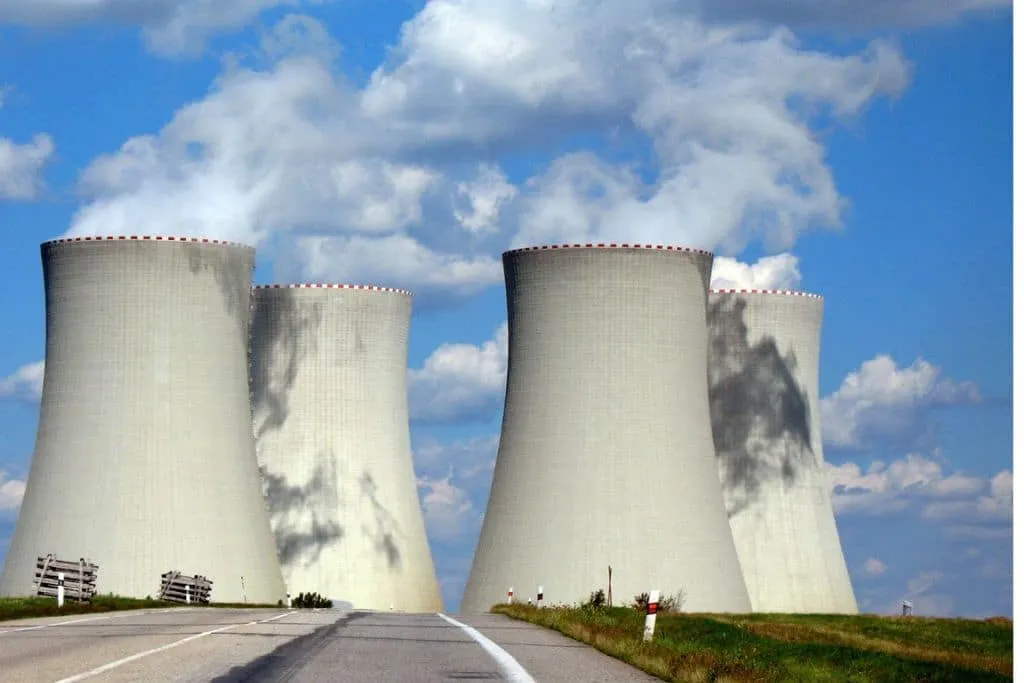
However the regional variation of nuclear energy usage provides us with the importance of this sector. On electricity production with nuclear resources,France remains the world leader as it will provide 67.3% of the country’s electricity in 2029 where Slovakia and Hungary produce 61.6% and 42.2% respectively of their electricity needs.
On the other hand, the USA accounts for 19% of their electricity production through nuclear energy. Now the USA’s future plan is to achieve the goals to significantly increase nuclear capacity by 2050.
Japan’s future plan on nuclear energy sector
is to improve its electricity production through
nuclear energy.There are 14 reactors available by which Japan can produce 10% of its total electricity by the end of 2024. Moreover they try to achieve the target of 40% of its total electricity production by nuclear energy by the end of 2040.
The future of nuclear energy looks promising worldwide, about 70 reactors are under construction globally. Among them, mostly are present in Asia. This energy sector focuses on improving clean energy usage and trying to extend the life of active reactors.
What are the health hazards of Nuclear Energy?
Though nuclear energy helps us to produce clean energy, it also possesses some negative effects on human health. Among the health hazards of nuclear energy, the exposure of radiation remains as the most powerful one. The workers of
This sector suffers from radiation induced cancer due to exposure of radon gas and it also increases the risk of leukaemia in the people who operate the system here. The nearby community also faces the consequences of radiation as it mixes with the environment. Thus it expands the risk of cancer development.
When major accidents occur, it will release radioactive particles like iodin-131 and it can accumulate in the body which further give rise to thyroid cancer development in children. Moreover, the aftermath of a nuclear plant disaster marks a long term physical and mental issue to the people and causes serious harm to the environment as well.
Relation of Natural Gas with energy and health
Natural gas is an important source of energy in the modern world. As it releases 50% less carbon dioxide than coal, thus it is often induced as a bridge fuel. Prior to 2025, the natural gas production in the US was about 37.2 trillion cubic feet and that makes them a dominant net exporter for eight consecutive years.
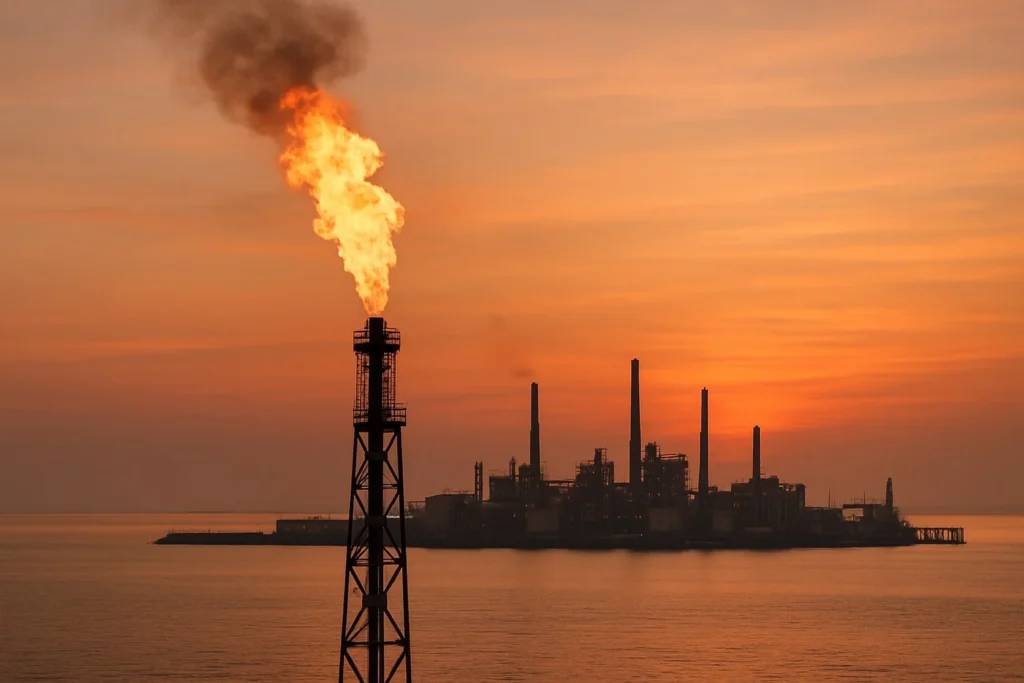
A new data of 2024 states that the total energy sector was responsible for roughly 145 million tonnes methane emission borichoide Among them the natural gas contributed about 35 millions tonnes of methane. Experts notify that methane gas leakage exceeds 3% of the delivered volume. Then Natural gas loses the climate benefits over coal.
It is also a matter of concern that the extraction process of natural gas Inke hydraulic fracturing method is responsible for water contamination. The extraction process emits benzene in ground water, thus nearby residents within two kilometres face some serious respiratory issues in children when they use the water.
It also triggers asthma and fracking induced earthquakes in that region, so, the production of natural gas seems to So, if expansion of natural gas production happens in near future, it will be a vital issue that causes harmful effect on public health.
Advantages of hydroelectric power over other energy sources
Hydroelectric power is one of the main sources of renewable energy. It accounts for about 18% of the world’s electricity production. The primary benefit of hydrocarbons is that they provide carbon-free energy generation.
But there are some socio-environmental challenges where the large scale dams can interrupt the local ecosystems and also contribute to climate change by the omission of methane from organic matters.
Standing water in the reservoirs provide habitats for disease vectors like mosquitos and snails. Therefore it increases the risks of infectious disease. Sometimes massive projects like Tunee George dam lead to social displacement of populations.
If we want to get a better outcome from hydroelectric power we need to solve some problems.Firstly we ensure the resettlement of the displaced population. Secondly we must use the methane capture technology to reduce reservoir emissions. Finally we need to implement disease control measures to mitigate the vector borne disease.
Benefits of Wind power as energy source
wind power provides less a small Portion energy but this sectors expands rapidly and contributes about 8% to 12% of global electricity generation in 2025 In the European region the combination of Solar and wind power usage overtake fossil fuel for the first time and it as also make a contribution about 30%
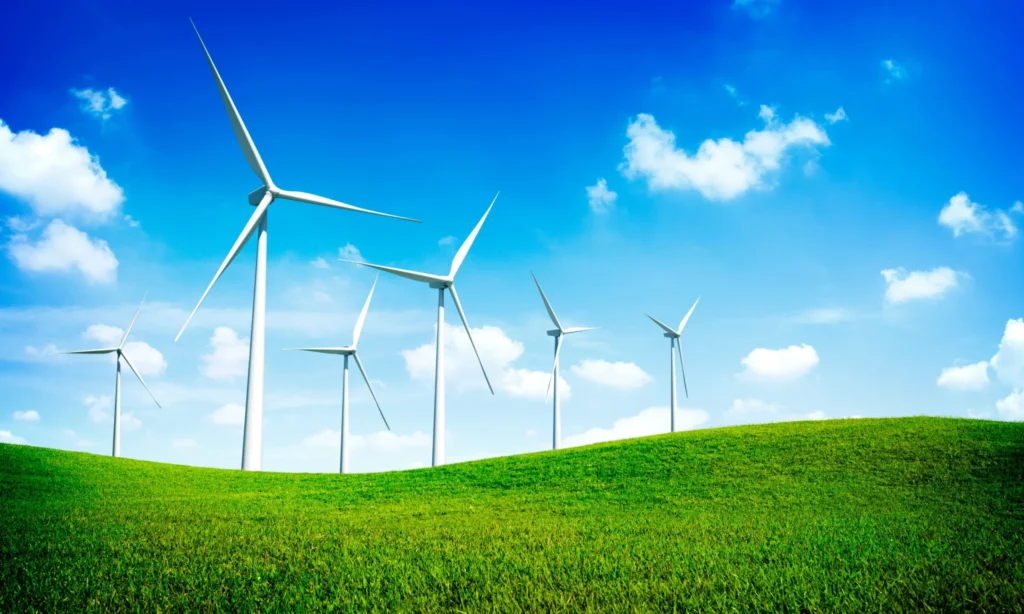
of the region’s power. China continues to lead the global power production as it made 70% of new installations in early 2025, which is capable of 600 GW power production.
The impacts of wind power on public health are extremely lower than fossil fuel. It accounts for roughly 7 million premature deaths in a year due to air pollution. By the end of 2030, it seems that the costs of wind power production will be 59% 53% cheaper than fossil fuel.
Health co benefits of energy conservation and efficacy
Energy efficiency and conservation serves as vital pillars for the mitigation of climate change. It offers significant co-benefits across various aspects of public health. The preference of walking etc.
If we walk and ride a cycle everyday and prefer it over motor vehicles in transportation, it will help us to reduce the risk of cardiovascular and respirating issues as well as the motor vehicles crashes.
Similarly, we can get more benefits in energy policy through the Cleaner power plants and food system.The strategists state that the choice of smart energy production can protect our environment, they directly save lives and reduce the health care costs.
Energy efficient buildings assure us health safety and provide sustainability as they account for a significant portion of global energy production. The use of modern equipments like high performance insulation and advanced temperature regulator machine help us to minimise
energy loss.
Efficient appliances and smart infrastructure also automates energy conservation. Actually if we implement these measures for energy production, it will prevent potential health issues and it also reduces indoor air exchange.
For example, energy efficient homes in u.k were capable of saving about 850 disability-adjusted life years (DALYS) with the annual reduction of carbon emissions.
Some key terms related to energy
Biofuel: It can be defined as fuels such as,biogas and biodiesel that are derived from recently formed biomass raw materials like cellulose and animal fats.
Coal:It is a fossil fuel in the form of sedimentary rock which is combustible and contains fossilized remains of Prehistoric Vegetable matter.
Energy: it is the capacity to do work or capacity to move the object and perform other activities, necessary for health and well being.
Energy efficiency: It is the amount of energy that we can get than our desired volume.
Energy security: It is the sum of energy that is enough for our day to day activities and it became available, affordable.
Fossil fuel: When organic matter such as plants, petroleum and gas alters over millions of years to form a fuel is called fossil fuel.
Natural gas:It is a fuel which contains hydrocarbons (mostly methane and propane) and are formed due to modification of underground deposits.
Renewable energy sources: It is the sources of energy like solar and hydropower that do not decrease a finite supply when we use it.
Petroleum :It consists of hydrocarbons that are extractable and can be refined into liquid fuels like diesel and gasoline.
peak petroleum: It is the point when maximum petroleum production occurs. After that point the production of petroleum starts to decline. There is a concept that states that the petroleum starts to deplete after a certain period of usage.
Summary
Energy is rudimentary to human health and well being, However its production and use present a complex public health challenge. When providing energy to those in need is a global priority, the current systems, mainly the combustion of fossil fuels and solid biomass contribute significantly to the global burden of disease.
Eventually the climate change and air pollution causes millions of deaths, premature death annually.These direct health impacts are comparable to the health effects from tobacco and high blood pressure.
Actually renewable energy resources have much lower influence over the environment and cause less harm. In order to evaluate the environmental and economic cost across the entire energy chain, the Life cycle analysis is essential to support the healthiest possible decisions.