
Congenital heart disease treatment and awareness guidelines
Congenital heart disease is a disease in which babies are born with structural problems in their hearts, which require early treatment.
Many children can have various heart problems from the time of birth. Those of us who live in villages often do not understand why the baby turns blue after birth or gasps when crying. Doctors call this type of structural defect of the heart congenital heart disease. Many dangers can be avoided if there is awareness.
Common people often think that it may be some kind of external defect or fate. But in fact, it is a physical problem that can be cured through modern treatment. From the moment a child is born, his breathing and physical color should be closely monitored. If you see any abnormality, it is important to consult an experienced doctor without delay.

Symptoms and general concepts of congenital heart disease
This heart disease can be caused by various reasons, but its risk increases if the mother is sick during pregnancy or if there is a lack of nutrition. Many families in our country do not understand the importance of this problem in the beginning. As a result, many children suffer from chronic pain without receiving treatment at the right time. Congenital heart disease can be diagnosed by doctors through various tests and physical examinations of the baby.
It is necessary to do the right test without listening to the village midwife or experienced elders. Many times it is seen that the child cannot drink milk properly or sweats very quickly while eating. All these can be symptoms of heart problems. Remember that if the body structure is not right, the pain increases as the child grows.
Blueness in the baby and difficulty breathing

It is often seen that the body color of the baby is turning dark or blue when crying, which is not a good sign at all. Due to this problem, there is a lack of oxygen in the blood and the body does not get enough energy. This is more common if there is an obstruction in the blood circulation.
Physical growth and weight loss

If the child has heart disease, the body does not want to grow much and the weight is also much less than other children. Due to lack of proper nutrition, the bones and muscles become weak and the child is always lethargic.
Medical necessity and remedies
Modern medicine is now solving many major heart problems and even in our country there are many good hospitals. Doctors try to treat them with some medicines at the beginning and sometimes they do a small surgery.
Congenital heart disease is often treatable if identified at an early stage by a specialist. If the operation is done at the right time, the child can live a healthy and normal life like ordinary children. So there is nothing to fear, but it is wise to take timely measures. At the rural level, a lot of help is now available from the government, which is benefiting the common people.
Regular check-ups and awareness
After taking the child to the doctor, he/she will ask you to follow some rules regularly which will be very helpful for the speedy recovery of the child. No medicine should be omitted and the child’s surroundings should always be kept clean so that there is no infection.
Nutritious food and care
It is very important to give the child the right amount of nutritious food to get well or before the operation. You should pay attention to the food list so that all types of vitamins are present because the heart needs energy to be strong.
Some important steps to protect the heart
We will discuss some simple but effective points for heart care that are good to follow. Congenital heart disease needs continuous monitoring even after surgery to ensure the child stays healthy.
It is very important to keep the following points in mind:
- Rest: It is very important for heart patients to get adequate rest because excessive exertion or running around puts more pressure on the child’s heart and increases breathing difficulties.
- Cleanliness: The child should always be kept in a clean environment because if there is a heart problem, the body’s immunity decreases and major infections can easily occur.
- Vaccination: As per government rules, the child should be given all types of vaccinations on time so that along with heart problems, no other contagious diseases can attack him.
- Warning: If the child’s nails or lips start turning blue again, everyone should be prepared to take him to the hospital quickly without any hesitation.
We must remember that if treatment is started at the right time, the future of the child is bright. Only the awareness and courage of the elders of the family can save the life of a child. Heart problems do not mean death, but rather it is a challenge that can be easily overcome with the help of modern science.
Special care and precautions for the mother during pregnancy

Many mothers in the village do heavy work during pregnancy or do not eat properly, which can cause damage to the baby’s heart. If the mother does not eat nutritious food during this time, the heart of the fetus does not form properly. Congenital heart disease can be prevented to some extent by avoiding harmful medicines during pregnancy. This risk is greatly reduced if you follow the advice of village health workers.
We must remember that the first three months of pregnancy are a very important time. During this time, taking any pills without reason or without the advice of a doctor is absolutely prohibited. Many times, if the mother has a high fever or an illness like measles, there is a possibility of a hole in the heart of the fetus. Therefore, the pregnant mother should always be kept in a cheerful and clean environment.
Nutritional deficiency and its effects
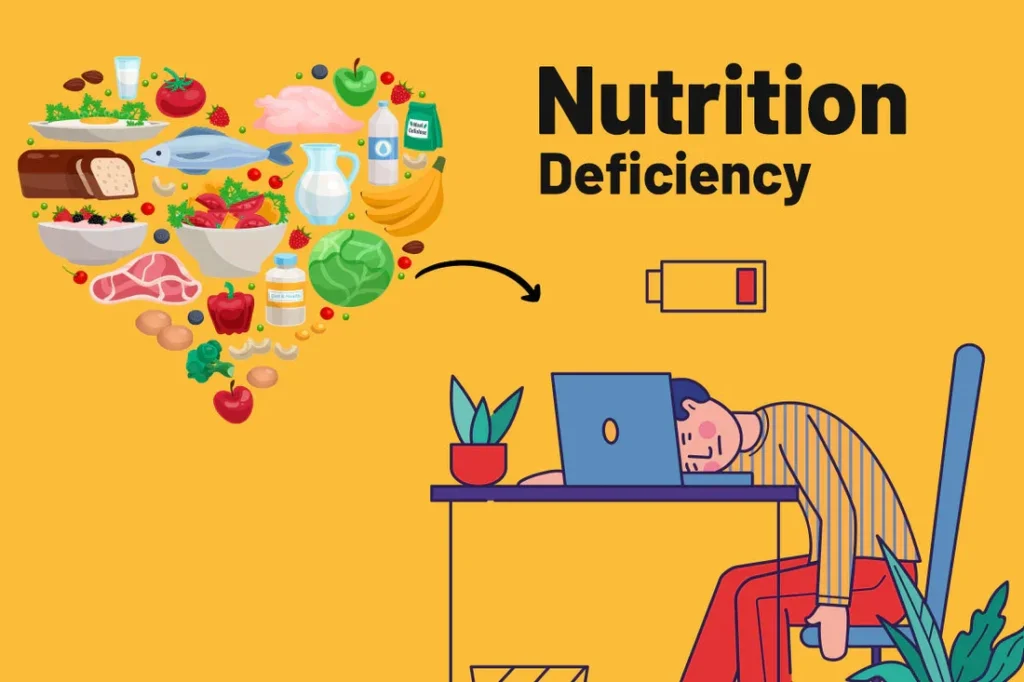
If the pregnant mother lacks iron or folic acid, the formation of various organs in the baby’s body does not occur properly. Especially, there is an obstacle in the formation of the heart bulb or artery, which later becomes black for the baby.
Harm of smoking and tobacco
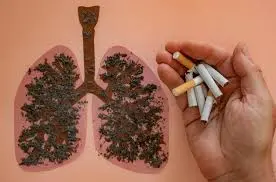
If the men of the house smoke bidi or tobacco inside the house, the smoke mixes with the blood of the baby in the womb through the mother’s lungs. This severely damages the normal beating and formation process of the heart.
Doctor’s advice and checkup

Mothers often do not want to go for regular checkups due to shame or distance, but this is absolutely not advisable. It is possible to get some idea of the condition of the baby’s heart in advance through an ultrasound or other tests.
Discover more here: Heart disease
Modern methods of diagnosing congenital heart disease
In our country, there are now many good medical facilities at the upazila level where experienced doctors can understand a lot by listening to the heart sounds with a stethoscope. If any abnormal sounds are found in the heart, they recommend doing an echocardiogram quickly. Congenital heart disease is often identified by doctors through simple chest X-rays and heart scans.
Rural people should understand that an echocardiogram is not a scary test, but rather a procedure similar to a simple ultrasound. Through it, holes or valve defects inside the heart can be seen accurately. After being caught, instead of getting scared, one should contact the cardiology department of a large hospital. Many times, heart holes close naturally with age, but regular monitoring is required for that.
Importance and Benefits of Echocardiogram

This test can clearly show how large the holes in the heart are and in which direction the blood is flowing in the wrong direction. This helps the doctor determine the right course of treatment.
Chest X-ray and ECG
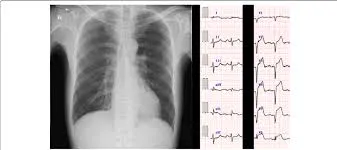
Sometimes, if the heart is enlarged or if there is excess blood in the lungs, it can be seen through X-ray. This is a very cheap and simple test that is available everywhere.
Use of Pulse Oximeter

This small device is used to check the amount of oxygen in the blood of the child, which is now also available in many village hospitals. Low oxygen levels can indicate a serious heart problem.
Growing up with heart disease and lifestyle changes
Children born with heart problems need special care from the family so that they can grow up like other normal children. Congenital heart disease means the child’s heart has to work harder than a normal heart. Children should be prevented from excessive exertion but sports should not be stopped at all.
Their diet should be high in calories and protein because their bodies get tired quickly. It is good to spend time with the child in the open air of the village but it should be kept away from dust. If the child ever cries very loudly and turns blue, he should be calmed down quickly and laid down in the position taught by the doctor.
- Diet: It is better for heart patients to feed small amounts of food frequently because they cannot eat a lot at once and they become gassy when they eat.
- Rest: The child should also get into the habit of sleeping for a few hours during the day so that his weak heart gets enough rest and can regain the strength to work again.
- Environment: The child should not be taken out in excessive heat or extreme cold because temperature changes can put extra pressure on the heart.
- Mentality: Always keep the sick child smiling and convince him that he is normal like everyone else so that he does not feel inferior.
- Medicine: It is most important for health to take the medicines prescribed by the doctor on time and not to skip any dose on his own.
Heart surgery and post surgery precautions
We often see doctors recommending surgery to close a hole in a child’s heart or to fix a bulb. Heart surgery is a scary thing for people in the village, but in the present era it has become much safer. Congenital heart defects sometimes require surgery to repair the structure of the heart and improve blood flow. After the surgery, the child needs special care so that the wound heals quickly.
Preparation and rules for the operation

Before the surgery, doctors recommend that the child eat a healthy diet and eat iron-rich foods to keep his body strong. If the hemoglobin level in the blood is right, the surgery is more likely to be successful and the risks are reduced.
Special care for the wound
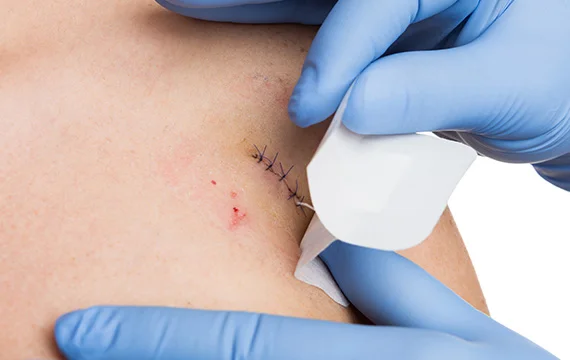
After returning from surgery, special care should be taken to avoid dust or dirt getting into the incision site. It is very important to change the bandage regularly and apply the ointment correctly as prescribed by the doctor.
Ways to recover quickly

After the operation, the child should be made to walk regularly, but not to run too much. Drinking nutritious liquid food and enough water helps the child’s body recover quickly.
School attendance and social life of heart patients
Children with heart disease are often afraid to go to school or other children do not want to play with them, which makes them suffer. It is not right to keep these children away from their studies and normal life, but their mental strength should be increased. If people with congenital heart disease take care of their health, they will not have difficulty in leading a normal life.
Sometimes, children may be a little late in speaking or learning due to physical problems, but do not lose patience with this. They should be taken to social events so that they do not suffer from inferiority complex and can fit in with everyone.
Coordination with teachers
It is very important to explain the child’s physical condition to the school principal and provide the number of whom to call in case of emergency. It is good to always keep a list of necessary medicines inside the bag.
Making classmates aware
Other children should be taught not to push a classmate with a heart condition or to be a little more flexible with him while playing. This will make the child feel safe.
Helping with mental development
The child should be encouraged to do creative activities like telling stories or drawing pictures regularly so that he can forget his physical limitations and enjoy himself.
Heart care and the future as you grow older
When a child with congenital heart disease grows up or enters adolescence, he or she takes on additional responsibility for his or her own body. Congenital heart disease patients must have regular checkups throughout their adult life to prevent any heart issues. As the child grows up, the type of stress on the heart can change, so regular consultation with a heart specialist is necessary.
Those who have undergone surgery as children should also have regular follow-ups so that no complications arise later. In our villages, people often think that once the operation is done, everything is over, but in fact, it is an ongoing process. If the right rules are followed, these patients can also get married or have a family and a job like ordinary people.
Exercise: Regular light exercise as you grow older keeps the heart muscle strong, but heavy exercise or gym should not be done without the advice of a doctor.
Rest: You should develop the habit of sleeping for at least 7 to 8 hours every day so that the body gets enough energy and the heart stays active.
- Food: Avoid excess salt and fatty foods because these foods increase blood pressure and have a harmful effect on the heart and cause complications.
- Checkup: An echocardiogram or ECG should be done at least once a year to check whether the heart function is normal or not.
- Addiction: It is very important to stay away from smoking or any other intoxicating substances because it can permanently damage the heart function.
- Action: If you suddenly experience symptoms like palpitations or dizziness, you should immediately seek help from an experienced heart specialist.
Conclusion
It can be said that congenital heart disease is not a major disease, but it can be completely controlled with proper patience and treatment. With the availability of modern medical methods in our country, the survival rate of such children has also increased a lot. Every child has the right to grow up with a healthy heart and there is no substitute for awareness to protect that right.
The love of parents and the right guidance of a doctor can make a sick child a citizen of a beautiful world in the future. We have to continue our collective efforts so that this birth defect does not destroy anyone’s dream of life. Taking care of the heart means taking care of life because a healthy heart is healthy for everyone.