

Essential steps for a patient-centered approach to elderly care in hospitals
Elderly care in hospitals focuses on providing medical support, emotional comfort and safety measures tailored to the specific needs of elderly patients.
Serving the elderly in hospitals is not just a matter of treatment. It is a combination of love and care. When our elders get sick and are admitted to the hospital, they feel very lonely and helpless. If they are not properly looked after, they get scared. Therefore, it is very important to pay attention to their mental health as well as their physical problems. A beautiful environment and smiling service help them recover quickly. Hospital doctors and nurses should understand that the elderly body is very sensitive.
It is very important to create a safe room for elderly patients admitted to the hospital. Their beds should be low and there should be handles in the bathroom. Many times they can fall over and get seriously injured. Therefore, someone should be by their side 24 hours a day. Again, many times it is seen that their body becomes more relaxed after taking too much medicine.
Therefore, it is necessary to strictly follow the food chart and medication rules. If you talk to them a little or give them courage, they gain a lot of confidence.
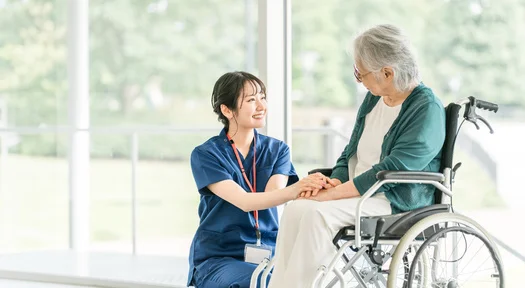
Elderly care in hospital and patient safety management
Elderly care in hospital ensures that patients are safe from falls and infections during their stay in a medical facility. When an elderly person is admitted to the hospital, he does not have any responsibility for himself. A slight fall can be life-threatening.
Therefore, it is very important to have adequate lighting in the ward and to eliminate the slippery feeling of the floor. Nurses should regularly visit and check whether the patient is able to move properly or not.
Correct list of food for the patient

Food is a very important issue for the elderly. Their digestive power decreases while in the hospital. So they should eat soft food and drink plenty of water.
Giving medicine at the right time
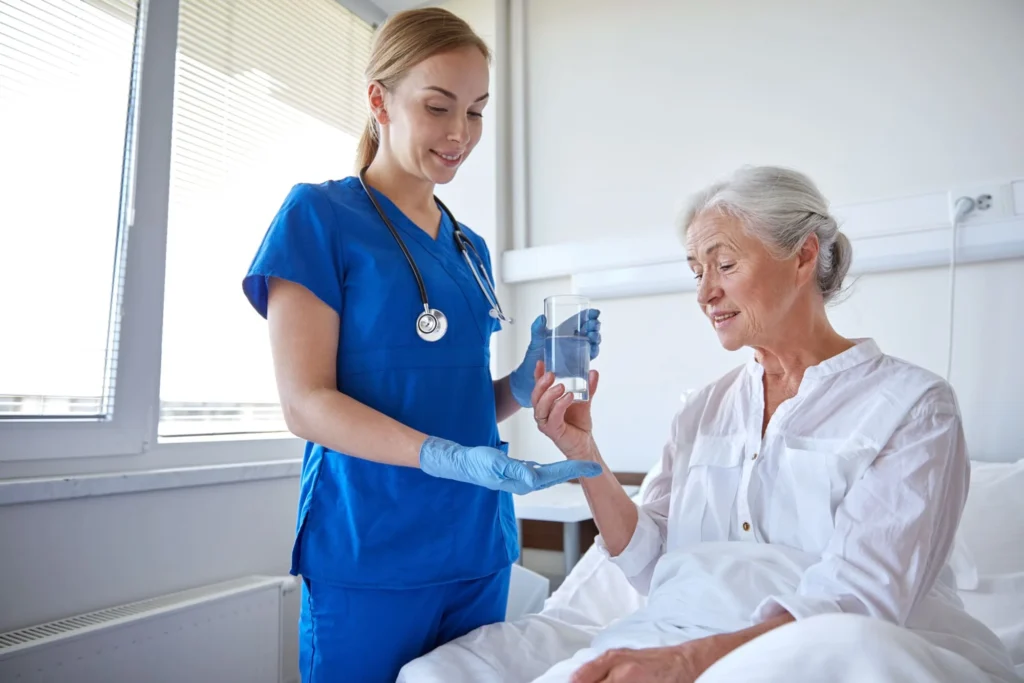
If medicine is not given on time, heart or blood pressure problems in the elderly increase. So nurses need to take care of it with an alarm.
Maintaining cleanliness

Cleanliness. Infections spread quickly to the elderly from the dirty hospital environment. So their beds and clothes should be kept clean regularly.
Providing peace of mind through elderly care in hospital
Elderly care in hospitals includes spending time with patients to reduce their anxiety and feelings of loneliness.
When elderly people go to the hospital, they feel sad about home. They think they may never be able to return home. Alleviating this fear is the main job of nurses. They are happy when you tell them stories of the village or grandchildren. In elderly care in hospital, treating patients well works more than medicine.
Keeping in touch with loved ones
Talking to family members regularly while hospitalized can help seniors feel mentally stronger.
Speaking in simple language
They get nervous when the doctor talks about the disease in difficult language. So, you should explain it to them in a very simple way.
Elderly care in hospital and special responsibilities of nurses
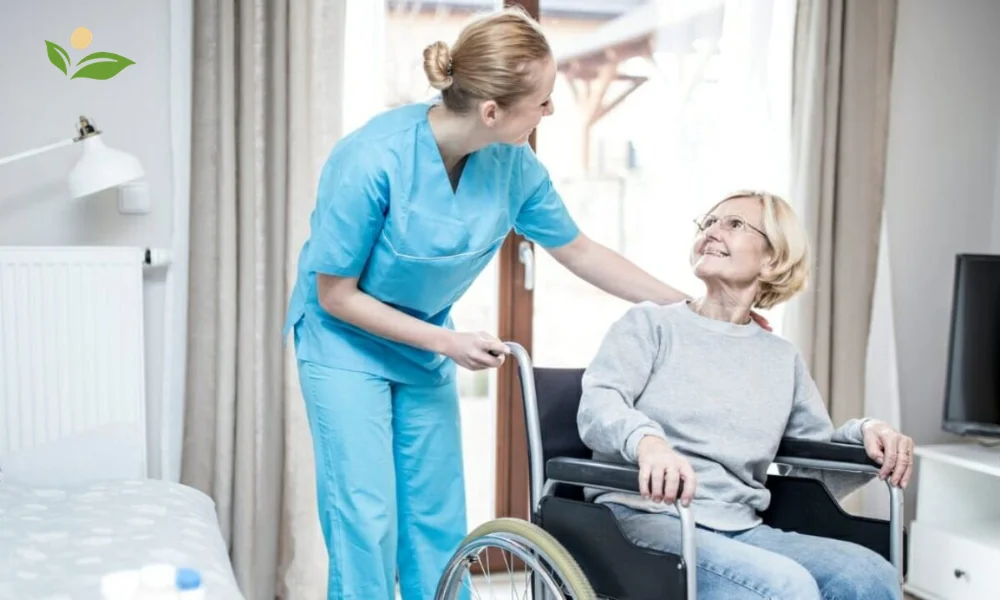
Medical professionals prioritize hospitalized geriatric care for the treatment of acute illnesses as well as chronic conditions in older patients.
Elderly patients have very thin skin. Lying in one position for a long time can cause back pain. Therefore, nurses should look after them every two hours. They also need to be very careful about their urination and defecation.
- Patience: The elderly often do not listen or forget, so you need to be very patient when talking to them.
- Service: It is important to have a helper nearby at all times to feed them or give them medicine.
- Observation: Nurses need to see with their own eyes whether they are having body temperature or breathing difficulties, rather than relying on machines.
- Support: Holding their hands when walking or sitting down should help them gain confidence.
Elderly care in hospital and improving the quality of life
Doctors emphasize that elderly care in hospitals should include physiotherapy to keep patients’ joints active and flexible.
While lying in the hospital, the hands and feet become stiff. Therefore, it is necessary to do light exercises as per the advice of the physiotherapist. Elderly care in hospital ensures that the patient can walk healthily even after being discharged from the hospital.
Ensure a pain-free body

Lightly moving your arms and legs every day keeps the blood circulating properly. This reduces body pain to a great extent.
A quiet environment for sleep

Sleep. The noise of hospitals disturbs the sleep of the elderly. Therefore, it is important to ensure that their ward is relatively quiet.
Elderly care in hospital and advanced technological support
Providing high-quality elderly care in hospitals requires a gentle human touch along with modern medical technology.
Proper use of hospital technology can be a blessing for the elderly.
Especially for those who have poor eyesight or hearing, special signaling systems are needed. To ensure elderly care in hospitals, there needs to be a modern monitoring system so that nurses can understand the patient’s condition from a distance. This way, patients do not have to be disturbed repeatedly and they can rest in peace.
Digital Monitoring System
Technology. Using sensor-equipped beds can detect a patient before they fall. This greatly increases the safety of hospitals.
Heart Rate Tracking
Device. Elderly people’s heart rates fluctuate suddenly. So, having an automatic tracking machine allows doctors to take quick action and avoid major dangers.
Explore more here: Health and fitness
Elderly care in hospital and nutritional management of patients
They play an important role in caring for the elderly in hospitals, as they create meal plans for the digestive health of the elderly.
There is no substitute for proper nutrition to boost the immune system of elderly patients. Many times they do not want to eat anything by mouth, so they should be given delicious yet healthy food without forcing them.
Dietitians play an important role in this phase of elderly care in hospital. They check if the patient has any food allergies or digestive problems. The body recovers faster when it gets proper nutrition.
Vitamin and mineral rich foods
Blending fruits and vegetables can be easily digested by the elderly. This provides their body with the necessary vitamins.
Ensure adequate water intake
Dehydration occurs very quickly in the elderly. Therefore, it is important to drink small amounts of water or fruit juice throughout the day.
Elderly care in hospital and the importance of the rehabilitation process

The main goal of elderly care in hospital is to ensure a smooth transition from clinical treatment to everyday home life. Rehabilitation is essential to prevent patients from becoming bedridden after discharge from the hospital.
This step is often neglected in elderly care in hospital. But teaching an elderly person to stand on their own feet again is the real service.
Below are some of its important aspects:
- Advice: Before leaving the hospital, the family should be explained how to take care of the patient at home.
- Therapy: Speech therapy or occupational therapy can quickly resolve problems with speaking or moving the hands.
- Follow-up: A week after going home, the doctor should be seen again to make sure that no new problems arise.
- Encouragement: The patient should be given the opportunity to do small tasks on his own so that his confidence returns.
- Caution: It is important to ensure that there are no slippery carpets in the bathroom or on the floor of the house.
Elderly care in hospital and mental health care
Comprehensive elderly care in hospital must include psychological support to help patients deal with the stress of being in a clinical environment. When elderly people get sick and are confined within the four walls of the hospital, many unnecessary thoughts run through their minds.
They start to feel like a burden on their families. If this mental stress cannot be removed, it is not possible to heal the body with medicine alone. One of the tasks of elderly care in hospital is to keep the patient happy.
Methods to overcome depression
Counseling. It is necessary to talk openly with elderly patients for some time every day. They become very mentally strong when they are praised for their small achievements.
Religious and spiritual connection
Faith. Many elders want to pray or worship while they are sick. If they can be given this small opportunity to worship in the hospital, they get a lot of peace of mind.
Importance of prayer room
If there is a quiet place inside the hospital, patients can go there and pray to God for peace, which gives them courage.
Special training for elderly care in hospitals and nursing staff
Specialized training for nurses in elderly care in hospital ensures that patients receive empathetic and medically sound attention at all times. Just as people in the village come forward to help each other in distress, the elderly need to be served with compassion.
General nursing and nursing for the elderly are not the same. Workers involved in elderly care in hospital need to know how to take care of an elderly person’s fragile bones or thin skin. A little negligence can cause major injuries to their bodies.
Pain management
Elderly people often complain of pain but cannot always express it verbally. Nurses should be able to understand pain by observing their body language.
Ensuring skin protection
Special air mattresses should be used to prevent back pain from lying down for long periods of time.
Elderly care in hospital and special monitoring of patients at night
Monitoring patients at night is a critical aspect of elderly care in hospital to prevent confusion and nighttime falls among senior citizens. Many elderly people become disoriented at night, which is called ‘sundowning’ in medical terms.
They do not understand where they are and try to get out of bed in a hurry. To ensure elderly care in hospital, it is important to have adequate lighting and manpower in the ward at night.
Below are some points to watch out for at night:
- Monitoring: The patient’s breathing and sleep status should be checked every hour.
- Safety: The bed rail or handrail should always be raised so that the patient does not roll over.
- Lighting: It is better to keep the light on rather than too bright so that the patient’s eyes are comfortable.
- Water: A bottle of water should be kept next to the bed so that the patient does not have to get up to drink water.
- Communication: Make arrangements so that the calling bell or call switch is within reach of the patient.
Elderly care in hospital and the role of family members
The involvement of family members in elderly care in hospital significantly improves the recovery rate and emotional stability of older patients. No matter how much care doctors and nurses take, the touch of one’s own family members is the greatest gift for the elderly.
Family members also have to fulfill some responsibilities while in the hospital. Elderly care in hospital is actually a joint effort of the hospital authorities and the family.
Boosting patient morale

Elderly people are very happy when they can talk to their small children at home on video calls. This increases their will to live.
Provision of clean clothes

Hospital clothes are often rough. Therefore, patients feel comfortable wearing soft, washed cotton clothes brought from home.
Conclusion
Serving the elderly in hospitals is not an ordinary task, but rather a great responsibility. We must remember that the people we call elders today were once young men like us. When they lie sick within the four walls of the hospital, their hearts soften like children. Along with proper treatment, it is very important to treat them well and take some time to talk to them.
The same respect and care that is given to the elderly in rural societies in our country should be in every service provided by the hospital. If a clean environment, timely medicines and nutritious food are given, any elderly person recovers quickly. But the most important thing is to eliminate their loneliness.
If the family and the hospital authorities work hand in hand, our elderly will regain a respectable and comfortable life even at their last age. This proper care today will be our utmost respect and love for them. In this way, we can build a healthy and beautiful society where the elderly will never be neglected.