
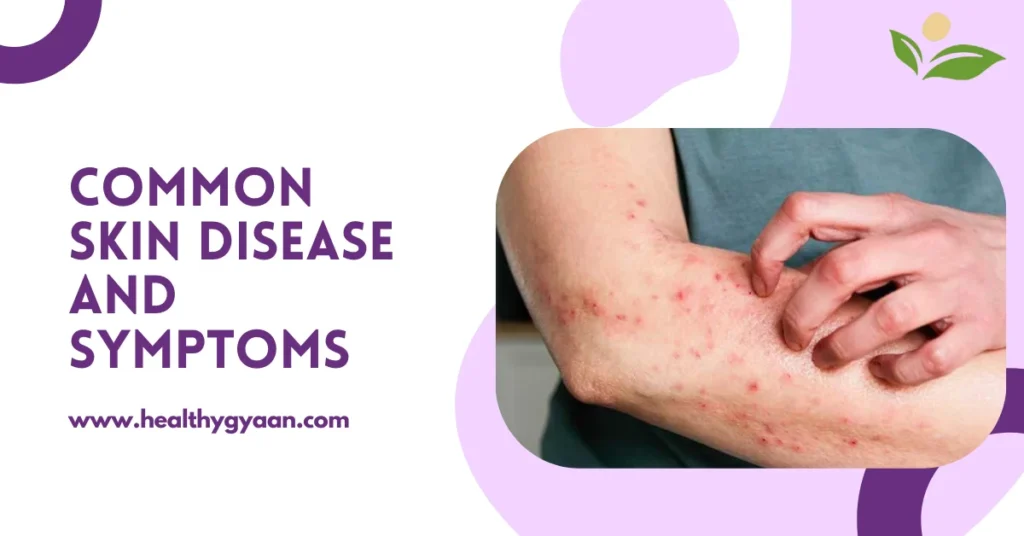
Common skin disease and symptoms full guide line
Skin is the largest and most sensitive part of our body that protects our internal organs from the outside world. Our skin is constantly exposed to various environmental challenges such as dust, ultraviolet rays, and bacteria.
Due to this constant struggle, it is natural for various skin problems to appear. However, the problem becomes complicated when we make mistakes in recognizing the initial symptoms or neglect them. Taking care of the skin at the right time and understanding the nature of the disease is essential not only for maintaining beauty but also for good health. In many cases, a minor skin rash can be a sign of a major physical complication.
Therefore, it is important for each of us to have proper knowledge about skin diseases. In today’s discussion, we will talk about different types of skin diseases and their remedies.
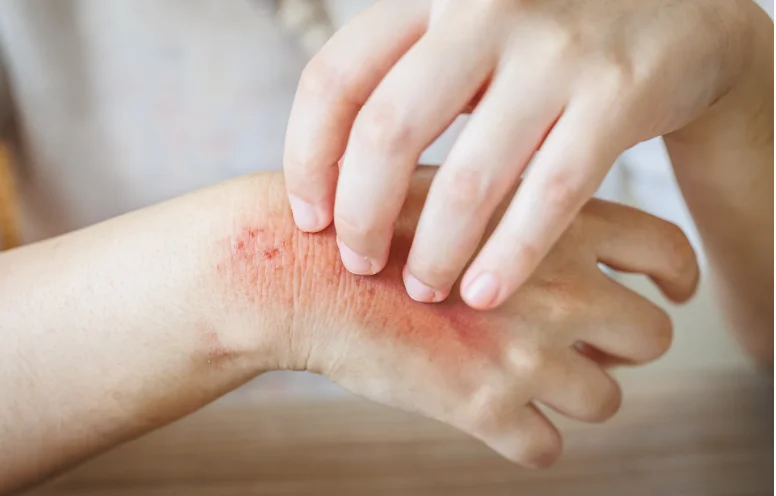
Different types of skin diseases and their identification methods
Although there are hundreds of types of skin diseases in the world, some specific diseases are most common in our surroundings. Some of these diseases are congenital and some are acquired or infectious. Since the type and symptoms of each disease are different, the treatment methods also differ.
These symptoms manifest based on the structure of the skin and the person’s immune system. Awareness and correct diagnosis serve as the first step to getting rid of the disease.
Eczema Spread and Remedy
Eczema is basically an inflammatory skin condition that makes the skin dry and itchy. It is not a contagious disease but it can be hereditary. Eczema is especially common in children. The affected area may crack and ooze. To keep it under control, it is important to use moisturizer regularly and avoid harsh soaps.
Why Psoriasis Occurs
Psoriasis is a chronic skin disease that is caused by a malfunction in the body’s immune system. It causes skin cells to grow much faster than normal and form a whitish layer on top. It is usually more common on the knees, elbows and scalp. Although psoriasis is not completely curable, it can be controlled with proper diet and lifestyle.
Seborrheic Dermatitis
This is basically a scalp problem that may look like dandruff but is more complicated. It causes the skin to become red and scaly. It can also appear on the face or around the ears. This problem can be relieved by using antifungal shampoos and lotions.
Acne problems and their various types
Acne is a common problem among youth and young adults in our country. It is mainly caused by hormonal changes and clogged skin pores. Acne is the most familiar name in the list of common skin diseases and symptoms.
Acne not only causes skin damage but also often causes mental inferiority. If not treated at the right time, it can cause permanent scars.
Whiteheads and Blackheads
These two types of problems occur when the skin pores become blocked with dead cells and sebum or oil. If the pores are blocked, they are called whiteheads, and if they are open, they turn black due to the effect of oxygen. Keeping the face clean regularly reduces this problem.
The severity of cystic acne
Cystic acne is much more painful than normal acne. It causes infection in the deeper layers of the skin. This results in large pimples on the skin and is very painful. This type of acne should not be touched or pressed in any way because it can cause blood contamination.
How to remove acne scars and pits
Retinol or vitamin C serum can be effective in removing stubborn scars or pits that remain after acne heals. Good results can also be obtained by using neem leaves or multani mitti packs in a natural way. However, those with extremely sensitive skin should seek expert advice.
Fungal infections and remedies
Fungi multiply very quickly in humid and hot weather. Fungal infections caused by sweat are a major problem in our country. They are highly contagious and spread very quickly from one person to another. This problem is exacerbated by not wearing clean clothes regularly and using other people’s things.
- Always keep your towels, underwear, and combs separate.
- After bathing, dry every fold of your body thoroughly.
- Make a habit of wearing cotton clothes instead of synthetic clothes, which can absorb sweat.
- Wash your hands and face quickly after returning from outside and do not wear wet clothes for a long time.
- If you see itching or red spots, consult a doctor immediately.
Modern medicine and lifestyle to prevent skin diseases
Current medical science has advanced treatment systems for any skin problem. From laser therapy to modern antibiotics, everything is now within reach. However, building resistance is more effective than relying on medicines. A proper lifestyle can keep your skin fresh.
Proper diet and water intake
Skin health is basically built from the inside out. What you eat will be reflected on your skin. Eating plenty of green vegetables and colorful fruits keeps your skin glowing. Drinking enough water every day flushes out toxins from the body, which reduces the risk of skin diseases.
Protection from sunburn
The sun’s ultraviolet rays are one of the causes of skin cancer. It is mandatory to use sunscreen before going out in the sun. Prolonged exposure to the sun damages skin pigmentation and causes rapid aging. Using an umbrella or a large hat is an easy way to reduce sunburn.
Allergic skin diseases and their various symptoms
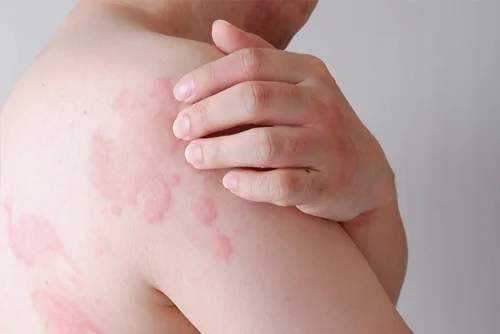
Allergy is the hypersensitivity of the body’s immune system to various substances in the environment around us. It is a very common skin problem that can appear suddenly. Many times we do not understand exactly what is causing the red spots or itching on the skin. It can be caused by contact with food, dust and even a particular cloth.
This type of problem is called contact dermatitis or urticaria in medical terms. Whenever the skin comes into contact with any harmful or allergenic substance, the body releases a chemical called histamine, which causes itching and inflammation on the skin. If the cause is identified at the right time, it is possible to get rid of this problem quickly.
Symptoms of urticaria
Urticaria causes wheals to form on the skin, which are very itchy. They can be red or white in color. These wheals may appear in one place on the body and disappear within a few hours, and may reappear in another place. This is usually due to a food allergy or a side effect of medication.
How to recognize contact dermatitis
If the skin becomes red and itchy in the area where a particular soap, perfume, or watch is worn, it is called contact dermatitis. That is, the skin is reacting to a direct contact with a substance. In this case, the affected area becomes crusty and sometimes small rashes appear, which may later burst and ooze juice.
Home remedies and precautions
If you have allergies, you should stop washing the affected area repeatedly or scratching it with your nails. Soaking it in cold water reduces the itching a lot. In addition, you should find out the source of the allergy and avoid it. If you have problems such as difficulty breathing or a swollen throat, it is important to go to the hospital immediately.
Infectious skin diseases and what to do to prevent their spread
Skin diseases that are spread by viruses, bacteria or parasites are called contagious skin diseases. Due to the crowded areas and unhygienic environment in our country, these diseases spread very quickly from one person to another. Scabies in particular is a highly contagious disease.
In the discussion of Common skin disease and symptoms, contagious diseases are taken seriously because they can affect the entire family. Proper treatment and personal hygiene are the only way to avoid this infection.
Scabies
Scabies is caused by a tiny parasite that burrows into the skin. Its main symptom is intense itching at night. This problem usually occurs between the fingers, on the wrists, or in the folds of the body. It can infect others by sleeping with an infected person or using their clothes.
Warts
Warts are mainly caused by the human papillomavirus or HPV. They can occur anywhere on the body and look like small lumps. Although warts are contagious, they are usually not painful. However, if they are scratched with nails, there is a possibility of spreading to other parts of the body.Common skin disease and symptoms you need to know
Symptoms of Herpes and Chickenpox
The herpes virus causes clusters of small, watery blisters on the skin, which are quite painful. Similarly, chickenpox causes watery blisters all over the body and fever. Since these diseases are caused by viruses, the body needs to rest for a certain period of time and take the medicine prescribed by the doctor.
Social awareness of skin diseases
If you have a contagious skin disease, you should start treatment quickly without feeling ashamed. Separating the clothes or bed of the affected person keeps other family members safe. Regular bathing and keeping hands clean are the main weapons for preventing these diseases.
Skin cancer and long-term complications
Although the rate of skin cancer in our country is lower than in developed countries, we should not be careless about it at all. Long-term exposure to direct ultraviolet rays of the sun is one of the causes of skin cancer. If a mole or spot on the skin suddenly starts to grow or changes color, it can be a danger signal.
Skin cancer can be completely cured if caught at the right time.
- Check your moles at least once a month for any changes in size or shape.
- Don’t ignore a sore that hasn’t healed for a long time.
- Avoid prolonged exposure to strong sunlight and use an umbrella or sunscreen when going out.
- If someone in your family has a history of skin disease, it is a good idea to keep in touch with a dermatologist regularly.
- Be careful when using chemical-rich cosmetics because low-quality products can cause deep damage to the skin.
The problem of acne and pigmentation and how to get rid of it
Melasma or melasma is a very common problem among women, but it is also occurring in men today. Basically, due to the harmful rays of the sun and hormonal changes, melanin increases in certain areas of the skin, creating black or brown spots. We call this melasma in common language.Common skin disease and symptoms you need to know
It is important to know more about melasma at this stage of Common skin disease and symptoms because it does not happen in a day and it also takes a long time to heal. These dark spots are more prominent on the cheeks, nose and forehead, which reduces the natural brightness of the skin.
Main causes of mechta
Although sun is a major factor behind mechta, it can also be caused by hormonal changes during pregnancy or taking birth control pills. In addition, people who work near the stove for a long time are also likely to get such dark spots on their skin. Pigmentation can also increase due to liver problems or excessive stress.
Home remedies to prevent pigmentation
Sour yogurt, lemon juice, and sandalwood packs work very well to remove dark spots on the skin. Raw potato juice helps lighten mechta spots. However, it should be remembered that you need to be patient to get results with home methods. If you do not use sunscreen regularly, any remedy may fail.Common skin disease and symptoms you need to know
When to seek medical advice
If you see mechta spreading all over the face and ordinary creams are not working, you should seek the help of a specialist. In modern medicine, these spots can be removed to a large extent through chemical peeling or laser therapy. However, hastily applying any fairness cream without a doctor’s advice can be fatal for the skin.
Rosacea and skin redness
Rosacea is a skin condition that looks a lot like acne, but isn’t. It causes the face, especially the nose and cheeks, to be constantly red. Sometimes the redness can be so intense that the tiny blood vessels in the skin are visible. It’s most common in middle-aged women, but it can be quite serious in men.
Symptoms of Rosacea
The face of a person suffering from this disease suddenly turns red when exposed to the sun or eating hot food. There may be burning sensation on the skin and sometimes discomfort in the eyes. Due to long-term rosacea, the skin of the nose can become thick, which is called rhinophyma. This is a very sensitive problem that requires special care.
Precautions in daily life
If you have rosacea, it is better to avoid spicy and hot foods. You should not wash your face with very hot water. In addition, caffeine or alcohol-like drinks can aggravate this problem. Always use a mild face wash that will not destroy the moisture of the skin.
Advanced treatment methods
Certain antibiotics and gels are available for rosacea that help reduce redness. Doctors sometimes reduce the expansion of blood vessels through laser treatment. With proper care, it is possible to control this disease and lead a normal life.
Common skin diseases in children and what mothers can do
Children’s skin is much thinner and more sensitive than adults’. Therefore, using products used for adults on children’s skin can be counterproductive. Rash or diaper rash is a common issue in children.
As a parent, it is necessary to have a clear understanding of common skin diseases and symptoms in children so that a minor problem does not lead to a major infection.
- If the diaper area becomes red, change the diaper quickly and keep the area open.
- Use alkali-free soap and shampoo for bathing children.
- Always keep the child dressed in thin cotton clothes to avoid scratching or heat.
- If you see any boils or unusual lumps on the skin, do not pick them with your nails.
- The oil or lotion used by the child must be of a good brand and paraben-free.
Nail fungus and foot care
Many people neglect nail or foot care even though they take care of their skin. Fungal nail infection at the corners of the nails can be very painful. The main symptoms are dark or yellow nails and brittle nails. This problem is more common in people who work with water for a long time or always wear socks.
Remedy for nail infection
Try to keep your feet dry at all times. After bathing, wipe off the water from between your toes. Trim your nails regularly and avoid using someone else’s nail clippers. If your nails smell bad, it means the infection has reached a deeper level.
Regular foot spa and home care
Soaking your feet in warm water with salt and shampoo at least twice a month reduces the risk of fungal infections. This helps remove dead skin cells from your nails and soles. If the infection is severe, anti-fungal drops can be used on the advice of a doctor.
Winter skin diseases and dry skin protection
As soon as winter arrives, the moisture in our skin starts to decrease and the skin becomes rough. Due to the low humidity in the air during this time, the upper layer of the skin cracks, which often causes pain. Winter can be quite difficult, especially for those whose skin is naturally dry.
Winter itch or ‘winter itch’ is a big problem among common skin diseases and symptoms. If proper care is not taken during this time, the skin can age and show signs of premature aging. Therefore, extra caution is needed from the beginning of winter.
Cracked and flaky skin
The problem of cracked hands, feet, and especially the ankles becomes more pronounced at the beginning of winter. The dryness of the air absorbs the natural oils of the skin. As a result, the elasticity of the skin is lost and small cracks appear. If these cracks are deep, bleeding can occur and there is a risk of infection. Regular use of Vaseline or glycerin is the main way to get rid of this problem.
Fish-scale skin
In some people, the skin becomes so dry in winter that it starts to appear like fish scales. This is called ichthyosis in medical terms. This is usually due to hereditary reasons and its severity increases manifold in winter. It is important for such patients to use heavy moisturizers or ointments instead of ordinary lotions, which can retain moisture in the skin for a long time.
Winter bathing rules
Many people like to bathe with very hot water in winter. But excessively hot water is very harmful to the skin. It washes away the skin’s essential oils and makes the skin even drier. So, use lukewarm water and apply oil or lotion to your wet body right after bathing. This locks in the moisture of the skin.
Some common mistakes we make in skin care
We often damage our skin while doing good. Using different types of cosmetics without understanding or directly applying home tips found on the Internet can be risky for the skin.
Just as the symptoms of skin diseases are known as common skin diseases and symptoms, the problems caused by improper care are also increasing nowadays. It is not wise to take any action without knowing your skin type.
Excessive scrubbing or rubbing
Many people think that scrubbing the skin too hard or repeatedly will clean the skin. This is a misconception. Excessive scrubbing destroys the skin’s protective layer or skin barrier. As a result, the skin becomes sensitive and rashes or acne appear very quickly. A light scrubbing once or twice a week is enough.
Going to bed with makeup on
Going to bed without removing makeup after a tiring day is the biggest curse for the skin. Makeup particles clog the pores, which can cause acne or allergies overnight. A good quality cleanser should be used to clean the makeup so that there is no dirt deep in the skin.
Reluctance to use sunscreen
Many people think that sunscreen is only needed when there is strong sunlight. But even on cloudy days, the sun’s ultraviolet rays damage our skin. Even those who work indoors in front of a screen for long periods of time should use sunscreen. Not using sunscreen can lead to premature wrinkles and pigmentation on the skin, which can be very difficult to treat later.
Skin protection with natural ingredients
In the rush of chemical products, we are forgetting the blessings given to us by nature. Taking care of our skin with Ayurvedic or natural ingredients is not only safe but also brings long-term benefits.
However, it is important to have a sense of moderation even when using natural ingredients. The right combination of ingredients can keep your skin naturally glowing and disease-free.
- Aloe vera gel works like magic to reduce skin burns and rashes.
- A mixture of raw turmeric and milk helps to destroy skin germs and increase radiance.
- Cucumber juice is very effective in removing dark circles under the eyes.
- Regular massage with coconut oil increases blood circulation in the skin and keeps the skin tight.
- Bathing with neem leaf water removes common skin itching and bacterial problems.
Skin changes and aging problems with age
As we age, the structure of our skin changes. Although this is a natural process, many people experience premature aging due to lack of proper skin care. As the skin’s collagen production decreases, it begins to sag.
Common skin diseases and symptoms At this stage, it is necessary to discuss special skin care for the elderly and their common problems. Due to the thinning of the skin of the elderly, wounds or blue spots can easily form there.
Wrinkles and Wrinkles
Usually the first wrinkles appear at the corners of the eyes and on the forehead. Excessive stress, smoking, and lack of adequate sleep accelerate this process. Lack of protection from sunlight is considered the main cause of wrinkles. It is possible to delay these signs of aging by using antioxidant-rich foods and creams containing vitamin E.
Liver spots or age spots
After the age of 50, many people develop small brown spots on their hands and face, which are called liver spots. They are not harmful but look bad. They are mainly the result of years of exposure to sunlight. Regular use of sunscreen reduces the tendency of these spots to occur.
Seborrheic keratosis
This is a very common skin condition in adults where black or brown wart-like raised bumps appear on the skin. These can often itch or become scaly. Although they are not cancerous, they can be uncomfortable to look at. They can be easily removed with the advice of a doctor.
Occupational skin diseases and remedies
Many people work in environments where they are exposed to various chemicals or dust. We can call this occupational skin disease. Those who work in cement, paint or chemical factories for a long time may develop chronic wounds or allergies on their skin. These problems can take a serious form due to not using the right protective equipment.
- Make sure to wear gloves and a face mask before starting work.
- Clean your hands and face with a good quality cleanser during breaks or after work.
- Cover any cuts or wounds on your skin at work so that chemicals cannot get inside.
- Always carry a moisturizer with you and use it during breaks.
- If you develop an itchy or rash on your body after doing a specific task, tell your employer or doctor immediately.
The deep connection between skin and mental health
You may be surprised to hear that there is a close link between our state of mind and skin health. Excessive stress can increase the risk of many skin diseases. This is called psycho-dermatology. When you worry too much, the body produces an increase in the hormone cortisol, which increases the oiliness of the skin and increases the incidence of acne or eczema.
Stress and Psoriasis Outbreak
People with psoriasis or eczema will notice that whenever they are under any mental stress, itching or burning increases a lot. It is much easier to control these skin diseases if the mind is calm. Therefore, along with the treatment of skin diseases, it is necessary to do regular meditation or exercise that keeps the mind relaxed.
Trichotillomania and nail biting
Many people pull out their hair or bite their nails with their teeth due to mental instability. This causes serious damage to the skin and nails. This can lead to infection at the corners of the nails and damage to the scalp. If such a problem occurs, it is important to consult a dermatologist as well as a psychiatrist.
Conclusion
Finally, we should remember that skin is not just a covering but a reflection of our internal health. We have learned in detail about various aspects of skin diseases such as acne, mechtha, fungal infections and age spots.
Proper knowledge of common skin disease and symptoms will protect you from wrong treatment and maltreatment. Do not be tempted by the many flashy advertised products on the internet and understand the characteristics of your skin. To stay healthy, you need to eat nutritious food as well as maintain mental peace.
Small daily good habits like drinking plenty of water, taking protection from the sun and staying clean will help you stay young and vibrant for a long time. Your skin is your pride, so take proper care of it and seek expert advice if any complications arise. Awareness should be the main mantra for a healthy and disease-free life.