
How Medicine Works in the Body A Comprehensive Guide to Pharmacokinetics
“How Medicine Works in the Body” is a complex journey that explains how medicines effectively treat various diseases.
The process of how medicine enters our body and starts working is quite amazing. When we feel any illness, we take various types of medicines to recover quickly. These medicines mix with our blood and reach specific organs and try to solve the problems there. It is very important to know the correct use of medicines and its effectiveness in modern medicine.
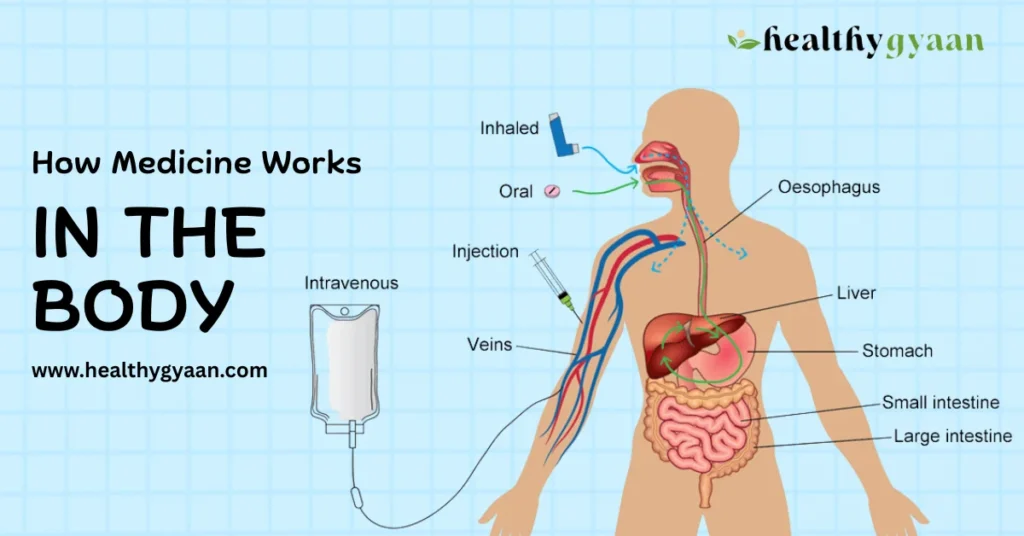
After taking the medicine, it reaches our body and its main work starts from there. The acids and enzymes of the stomach break down the solid particles of the medicine into liquid or small parts. Then these ingredients are absorbed through the walls of the small intestine and go directly to the liver. The liver checks these chemical ingredients and sends them to the blood after making the necessary changes. The blood then spreads these medicinal properties throughout the body so that they can start working quickly in the affected area. This entire system is so perfect that each step is dependent on each other.
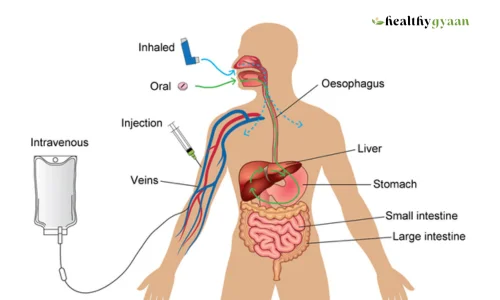
How drugs spread through the blood and reach their targets
As the blood flows throughout the body, it carries the drug molecules. At this stage, we need to know how medicine works in the body because the blood delivers chemicals to specific receptors.
Every drug has a specific target, which we call a receptor. The cells in the body have numerous small molecules that can only bind to specific drugs. When the drug molecule matches that specific receptor, it sends a signal to the cell. As a result of this signal, our pain decreases or our fever comes down.
Drug Reaction Inside Cells
When a drug enters a cell, it causes various chemical changes. Each cell has its own way of working and the drug helps in that work or prevents harmful substances. For example, antibiotics break down the walls of bacteria so that they cannot reproduce. To perform these delicate tasks, the drug needs to have a specific structure. If the structure of the drug is not correct, it cannot attach to the cell and does not do any work.
Drug Absorption and Duration
How long a drug remains effective in the body depends on its absorption rate. Some drugs are absorbed very quickly into the blood, while some drugs start working slowly. This absorption rate determines how often we have to take the drug. Doctors keep these factors in mind when they determine the dosage. It is very important to follow the specific time to maintain the effectiveness of the drug because if the level of the drug in the blood decreases, it can no longer cure the disease.
Effects of drugs on the body and chemical changes
Medicine not only cures diseases but also helps maintain the internal chemical balance of the body. In this stage we see how medicine works in the body through metabolic changes in the human liver. The liver reduces the toxicity of the medicine and converts it into a safe substance.
This conversion process is very important because many chemical substances can be directly harmful to the body. The liver changes these substances in such a way that they can be easily eliminated from the body after completing their work.
Role and function of enzymes
Enzymes basically act as biological catalysts that accelerate the breakdown process of drugs. The level of enzymes in each person’s body may be different, due to which the same drug does not work in the same way in everyone’s body. In some cases, the drug works quickly, while in others it takes some time. Because of this difference, doctors determine the dose of the drug by looking at the patient’s age and weight. Without the right amount of enzymes, it becomes impossible to get the full benefit of the drug.
Why do side effects of drugs occur
All drugs can have some side effects because when the drug mixes with the blood, it does not only work on the specific disease but can also affect other cells. We call this off-target effect. When a drug goes to the wrong cell receptor, a different reaction occurs in the body. For example, painkillers can cause some discomfort in the stomach. Keeping these things in mind, efforts are made to make high-quality drugs.
Long-term effects of drugs
If you take a drug for a long time, the body can get used to it. This is called tolerance in scientific language. Then a higher dose of the drug is needed to get the same result. However, it is not safe to increase the dose of the drug without consulting a doctor. Long-term use can increase the pressure on the body’s organs, especially the kidneys and liver. Therefore, the effectiveness of the drug should be monitored through regular tests.
Distribution and safe use of medicinal ingredients
Using medicines correctly is one of the main conditions for staying healthy. This section has been discussed. When the components of the medicine spread throughout the body, they try to avoid healthy cells. As a result of the progress of science, smart drugs are now being developed that attack only the affected cells. This increases the effectiveness of the medicine while reducing the risk of side effects.
- Always take medicine at the prescribed time as per the doctor’s advice.
- It is never a good idea to change the dosage of medicine on your own.
- Taking expired medicine can be very dangerous for the body.
- It is important to drink enough water along with taking medicine.
- It is necessary to read the instructions on the medicine bottle or packet carefully.
Each part of the body can respond differently to the effects of drugs. The effects of drugs are felt through the blood flow from the brain to the feet. Sometimes the smell or taste of a drug affects our nervous system, which can provide mental peace.
However, the main work is at the cellular level where chemical warfare is waged against the disease. In modern medicine, we now know how medicine works in the body so that we can treat illness with high precision.
Drug efficacy and internal coordination of the body
When a medicine enters the blood, every organ in the body senses its presence. It is very important to know how our body’s immune system coordinates with the medicine. When the components of the medicine travel throughout the body through the bloodstream, the proteins in the cell walls receive the signal. After receiving this signal, the cell increases or decreases the speed of its own work. In this way, the balance of the body is basically maintained and we gradually recover.
Medicine has a special effect everywhere, from controlling body temperature to reducing blood pressure. This special effect is how medicine works in the body as a biochemical signal for recovery and cellular repair. When these signals reach the brain, we get rid of the feeling of pain. However, the importance of the liver in this whole process is immense because it separates the harmful parts of the medicine. Without this perfect filtering process of the liver, the medicine would do more harm than good.
Chemical transformation of drugs and liver function
The liver is called the body’s chemical laboratory because it breaks down complex drug molecules into simpler ones. This transformation process is mainly done with the help of enzymes. When we take a strong drug, the liver increases its work so that the drug does not cause toxicity in the blood. The liver converts the active ingredients of the drug into metabolites, which can later be easily removed from our body. This entire system is so well-organized that it is almost impossible to understand it with the naked eye.
Drug excretion through the kidneys
After the drug’s work is completed, it is very important to remove it from the body. Our kidneys perform this important task. The kidneys filter and separate the unused parts of the drug and waste materials from the blood. Then these wastes are excreted from the body through urine. As a result of this process, we understand how medicine works in the body by cleaning out chemical wastes through the urinary system. If the kidneys do not work properly, the level of the drug in the blood can increase and cause toxicity.
Food interactions with drugs
The effectiveness of drugs depends largely on the type of food we eat with the drug. Some foods increase the absorption of drugs, while some foods reduce it. For example, calcium-rich foods can reduce the effectiveness of some antibiotics. That is why doctors often advise avoiding certain foods. When the nutritional value of food and the chemical components of the drug complement each other, the cure of the disease is completed much faster.
The importance of medication dosage and timing
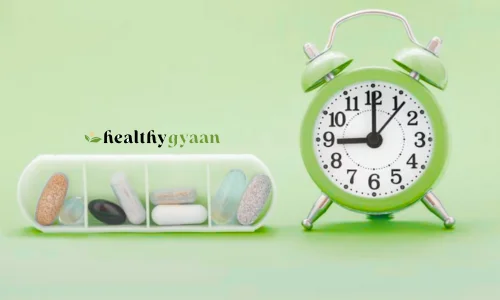
Taking the dose at regular intervals is very important to maintain the effectiveness of the medicine. Every medicine has a half-life which indicates how long it will remain effective in the blood. If we do not take the medicine on time, the concentration of the medicine in the blood decreases and the pathogen becomes strong again.
It is by maintaining this time balance that we understand how medicine works in the body through maintaining a steady chemical concentration in blood. Therefore, it is necessary to strictly follow the schedule given by the doctor.
Things to do to increase the effectiveness of medications
- Never change the dosage of a medicine without consulting a doctor.
- Drink plenty of clean water while taking the medicine.
- Follow the instructions carefully whether to take it on an empty stomach or a full stomach.
- Know about interactions before taking multiple medicines at the same time.
- Do not complete the course of medicine
Application and safety of drugs in modern medical science
Medical science is constantly improving and now we have much more effective medicines than ever before. These new types of medicines cause much fewer side effects than before. Scientists are now using nano-technology so that medicines can work directly in the affected cells.
This modern technology allows us to see more clearly how medicine works in the body to target only the diseased cells without harming healthy ones. This has brought about a revolutionary change in the treatment of difficult diseases like cancer.
Side effects and precautions of medicines
Although medicines make us healthy, they can also have some unwanted effects. Starting from minor problems like itching or dizziness, there can be major allergies. These problems arise when the body cannot adapt to a new chemical ingredient. Our body’s immune system often attacks the ingredients of the medicine, thinking it is an enemy. To avoid such situations, one should keep a close eye on the changes in the body after starting any new medicine.
Effect of medicines on children’s body
Children’s bodies are much more sensitive than adults. Since their organs are not fully developed, the effects of medicines work differently on them. When determining the dosage of children, their weight and age are considered very carefully. This special care ensures how medicine works in the body of a child to promote healing safely. The wrong dose of medicine can hinder the development of children, so awareness of parents in this regard is very necessary.
Risks of incorrect use of medicines
Medicine abuse or self-medication is a big problem today. Taking antibiotics or sleeping pills without a doctor’s advice can cause permanent damage to the body. This kills the beneficial bacteria in our body and reduces the immune system. In the long run, this can lead to the creation of superbugs that no ordinary medicine will work on. It is our moral responsibility to ensure the moderate and correct use of medicines to stay healthy.
Long-term effects of drugs and the body’s ability to adapt
Our body is a very intelligent system that can adapt very quickly to external chemical elements. When a patient has to take the same medicine for a long time, the body’s cells become accustomed to the presence of that medicine. This condition is called tolerance in medical science, where the dose of the medicine may need to be increased to get the same results as before.
However, this is a very sensitive issue because excessive doses of the medicine put extra pressure on the liver and kidneys. From the point of view of science, this is an evolutionary process that teaches us how medicine works in the body as an adaptive chemical interaction over time.
Cell walls often block the entrance of the medicine so that excess chemical elements cannot enter. This type of cellular defense system protects our body from poisoning. Especially in the case of nervous system drugs, these changes occur very quickly.
Therefore, in the treatment of chronic diseases, doctors often change the type of medicine or ask to take the medicine at certain intervals. This method helps to keep the body’s natural immune system active and ensure maximum benefit of the medicine.
Hormone and Drug Interactions
The body’s hormone levels can have a profound effect on the effectiveness of medications. When our endocrine system is out of balance, drug molecules cannot function properly. For example, this is clearly understood in the case of insulin or thyroid hormone medications. Drug molecules flow through the blood in harmony with the body’s own hormones.
This complex chemical balance determines how medicine works in the body to regulate metabolic and hormonal activities perfectly. Due to hormonal variations, the same dose can sometimes give different results at different times.
Quality and storage methods of medicines
The effectiveness of a medicine depends not only on its ingredients but also on how it is stored. Sunlight or excessive humidity can break down the chemical bonds in the medicine, which can make it ineffective. Taking expired medicine can cause adverse reactions in the body.
When we take quality medicine, its molecular structure remains intact and this teaches us how medicine works in the body through pure chemical reactions in cells. Therefore, medicine should always be kept in a cool and dry place so that its quality is maintained.
Some rules to maintain the effectiveness of the drug:
- Keep medicines away from direct sunlight.
- Do not store medicines in damp places like the bathroom.
- Maintain the specified temperature in case of syrups or injections.
- Consume the tablets quickly after opening them from the medicine strip.
- Use a separate airtight box for medicines while traveling.
Future smart medicine and genetic treatments
In the present era, medical science has reached a point where it is possible to create medicine by looking at the DNA profile of each person. This is called personalized medicine, which is much more perfect than ordinary medicine. Your body’s genetic makeup can tell you which ingredient will work best for you.
Using this modern technology, researchers can now explain more precisely how medicine works in the body by analyzing specific genetic markers of a patient. This will not only reduce the cost of treatment in the future, but will also increase the cure rate many times over.
The invention of smart pills or drugs with digital sensors is no longer a dream. After taking such a medicine, it goes to the stomach and sends signals that doctors can observe from the outside. This provides real-time information about the exact location of the medicine and its absorption process. These innovations will bring radical changes to our health system and ensure patient safety. Thanks to this modern method, we can understand how medicine works in the body through a combination of technology and biology.
Conclusion
This deep relationship between medicine and the human body is essentially a unique combination of chemistry and biology. The way a small tablet mixes with our bloodstream and fights against a specific disease is a great discovery of science. When we take a medicine, it not only cures a disease but also helps maintain the overall balance of the body. From the purification of the liver to the removal of waste through the kidneys, each step is essential for our survival.
However, to get the right benefits of medicine, we need to be much more aware. The habit of using medicine haphazardly and taking medicine without a doctor’s advice can put us in the face of long-term harm. Just as taking medicine in the right dose and at the right time can save lives, incorrect use can create a risk of death.
With the development of medical science, the effectiveness of medicine is increasing and side effects are decreasing, which is a ray of hope for mankind. Finally, it can be said that this combination of the complex structure of our body and the chemical power of medicine guarantees us a healthy and beautiful life. To stay healthy, it is absolutely necessary to respect the science of medicine and live a regular life.
Frequently Asked Questions (FAQ)
Is it better to take medicine on an empty stomach or a full stomach?
It varies according to the type of medicine. Some medicines are better absorbed when taken with food and reduce stomach irritation. Some medicines can be interfered with by food ingredients, so it is recommended to take them on an empty stomach. Always check the prescription or ask your doctor to be sure.
Why is it important to complete the course of antibiotics?
If you stop taking antibiotics midway, the harmful bacteria in the body do not die completely. On the contrary, they develop resistance to the medicine, which can cause greater danger in the future. Therefore, it is mandatory to complete the course even if you feel well.
What should you do if you have side effects from the medicine?
If you experience unusual itching, shortness of breath, or severe dizziness after taking the medicine, stop taking the medicine immediately. Then contact your nearest doctor or pharmacist without delay and inform them in detail.
Is it safe to take more than one medicine at the same time?
Taking multiple medications together can cause ‘drug interactions’. As a result, one medication can reduce the effectiveness of another or cause toxicity in the body. Therefore, before taking multiple medications for a problem, you should show your doctor a list of all your current medications.
What happens if you take expired medications?
The chemical structure of expired medications changes, which makes them ineffective. Sometimes, instead of being beneficial, they produce toxic substances in the body that can cause serious damage to the liver or kidneys. Therefore, expired medications should never be used.