
Childhood Healthy Eating Habits: A Complete Guide to Developing Healthy Eating Habits in Children.
The healthy future of children is developed in the right way based on their childhood habits. Among them, Childhood Healthy Eating Habits or healthy eating habits in childhood are the most important centers. Proper eating habits help in increasing the physical growth, mental development, immunity and learning ability of the child. Currently, obesity, malnutrition and various health risks are increasing in children due to the influence of fast food, excess sugar and processed foods. Therefore, it is very important to develop healthy eating habits from childhood. Which is good for the body of children.
We will learn what Childhood Healthy Eating Habits are, why they are important, which foods are beneficial for children, how parents can develop these habits for their children, and how eating habits have a positive impact on a child’s overall life.
What are Childhood Healthy Eating Habits?
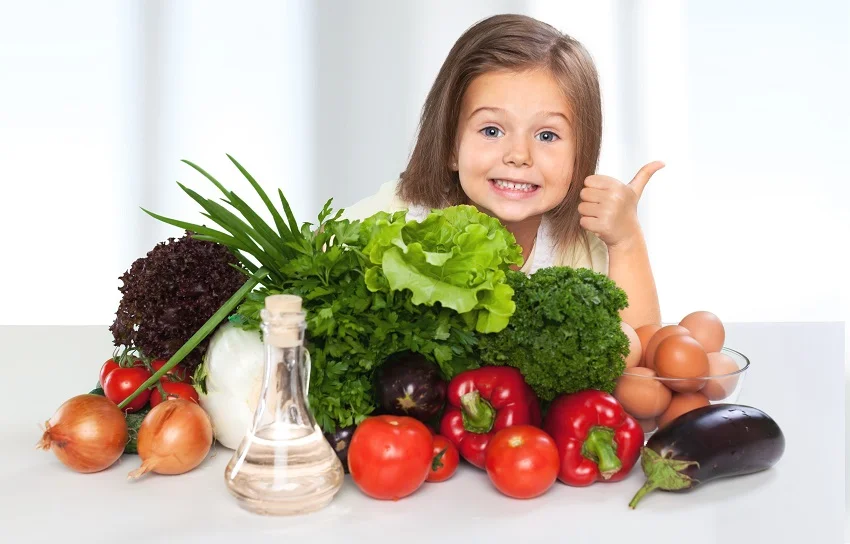
Childhood Healthy Eating Habits refers to the habit of children consuming balanced, nutritious and healthy food from childhood. This habit plays a very important role in the physical growth, mental development and immunity of the child. Childhood is a time when what a child learns and the habits he forms affect his lifelong eating habits. Therefore, every child should be inculcated with balanced eating habits from an early age.
The main goal of a healthy diet for children is to provide all the necessary nutrients—such as carbohydrates, proteins, fats, vitamins, and minerals—in the right amounts every day. It is very important for children to have fruits, vegetables, milk, pulses, eggs, fish, whole grains, and enough water in their daily diet. These help strengthen children’s bones and teeth, develop their brains, and play an effective role in providing energy.
Childhood Healthy Eating Habits are not just about what is being eaten, but also when and how it is being eaten. Eating at regular times, chewing slowly, and eating away from the TV or mobile should be instilled in children. It is also very important to avoid excess junk food, sugar, and soft drinks, which play an important role in the health of children, as these foods can increase obesity and other health risks. The role of family and guardians is the most important role here. If parents themselves eat healthy food, children will also follow suit. In addition to creating a nutritious food environment at home, developing a positive attitude towards food is the key to developing Childhood Healthy Eating Habits.
Also read: Soundarya The Ultimate Guide
Ultimately, Childhood Healthy Eating Habits help every child grow into a healthy, active, and confident person and lay the foundation for a better future. Childhood Healthy Eating Habits means teaching children from childhood through eating habits that allow them to consume balanced, nutritious, and healthy foods. These include:
- Eating regularly.
- Makes you a habit of eating vegetables and fruits.
- Drink enough water.
- Avoiding junk food and excess sugar.
- Instill interest in homemade food.
- These habits form the foundation for a child’s lifelong eating habits.
Why are Childhood Healthy Eating Habits Important?
Childhood is the most important period in a person’s life, because this is when the foundation of the body and mind is laid. It is very important to develop Childhood Healthy Eating Habits or healthy eating habits in children. These habits not only ensure current well-being, but also have a profound impact on future health, behavior and lifestyle. Therefore, one should develop eating habits through Childhood Healthy Eating Habits.
First : healthy eating habits play a special role in supporting proper physical growth of children. If a child does not get enough protein, vitamins, minerals and calcium during childhood, the child’s height, weight and bone structure do not develop normally or are hindered from normal development. Nutritious foods like fruits, vegetables, milk, pulses, eggs and fish make children strong.
Secondly : Childhood Healthy Eating Habits play an important role in the mental and intellectual development of children. A balanced diet develops the brain, increases memory and improves learning ability. Children who eat nutritious food are usually more focused on their studies, they are always healthy and their behavior is also relatively positive.
Third : a healthy diet helps to boost children’s immunity. Vitamin C, vitamin A, zinc, and iron protect the body from infections. As a result, children get sick less often.Another important aspect is that Childhood Healthy Eating Habits help prevent various long-term diseases in the future. If you have the habit of eating excess junk food, sugar and fatty foods in childhood, the risk of obesity, heart disease and high blood pressure may increase later. Healthy eating habits help positively reduce these risks.
Finally, it can be said that Childhood Healthy Eating Habits can help children develop discipline, awareness, and self-control. With the positive attitude and proper guidance of family and guardians, children can move forward on the path to a healthy, happy, and successful life.
The importance of developing healthy eating habits in childhood is immense. Below are the main reasons for this:
Physical growth an ddevelopment
Proper nutrition helps in the proper development of children’s bones, muscles, and organs. Protein, calcium, vitamins, and minerals play an essential role in a child’s growth.
Mental and intellectual development
Foods rich in omega-3 fatty acids, iron, and vitamin B help children’s brain development and memory.
Increased immunity
Healthy eating habits strengthen children’s immune systems, so they don’t get sick easily.
Preventing obesity and malnutrition
Developing healthy eating habits in childhood reduces the risk of obesity, diabetes, and heart disease in the future. As a result, one can always live a healthy life in the future.
What is a balanced diet for children?

A balanced diet for children refers to a diet that contains all the nutrients required for the growth and development of a child’s body in the right proportions. Childhood is a time of rapid physical and mental development, so a balanced diet is very important during this period.
A balanced diet usually includes carbohydrates, proteins, fats, vitamins, minerals and water. Carbohydrates provide energy for children’s daily activities and are found in rice, bread, potatoes and whole grains. Protein helps in building body structure and muscle growth; good sources of these are pulses, eggs, fish, meat and milk. Fats are a dense source of energy and help in the development of the brain and nervous system, but should be consumed in moderation.
Vitamins and minerals boost children’s immunity and keep the body healthy. Fruits and vegetables are the main sources of vitamins and minerals. In addition, adequate water helps in properly managing all the body’s functions. Overall, a balanced diet for children plays an important role in keeping them healthy, active and mentally fresh and is able to build the foundation for a healthy future.
A balanced diet is a diet that contains all the nutrients the body needs in the right proportion.The main components of a balanced diet are:
- Carbohydrates
- Protein
- Healthy Fat
- Vitamins
- Minerals
- Water
Foods that are essential for developing healthy childhood eating habits
Eating the right food is essential for children’s physical and mental development. The foods that are essential for developing Childhood Healthy Eating Habits are given below:
First, fruits and vegetables come to mind. They are the main source of vitamins, minerals and fiber, which help in boosting the child’s immunity and improve digestion. Milk and dairy products ensure the growth of bones and teeth, as they contain calcium and protein. Pulses, fish, eggs and meat are the main sources of protein, which helps in muscle and brain development.
It is important to include bread in a child’s daily diet, which provides energy and makes them feel full for a long time. In addition, nuts and dried fruits provide healthy fats and vitamins. Drinking enough water is also important, as it keeps all the body’s organs functioning. Eating these foods regularly and in a balanced manner develops healthy eating habits in children, which makes them healthy, strong and mentally active.
Fruit
Fruits are a natural source of vitamins and fiber for children. Examples: bananas, apples, oranges, mangoes, papayas.
Vegetables
Vegetables boost a child’s digestive system and immunity. Examples: carrots, spinach, gourd, pumpkin, broccoli.
Milk and dairy products
Excellent source of calcium and protein. Examples: milk, yogurt, cheese.
Protein-rich foods
Protein is essential for building muscle and healthy cells in children. Examples: eggs, fish, chicken, lentils.
Whole grains
Provides energy and helps keep the stomach full for a long time. Examples: red rice, oats, flour.
Which foods are harmful to children?
Some foods for children can be harmful to their health, especially those that contain excess sugar, salt, and unhealthy fats. Junk foods such as burgers, pizza, French fries, chips, and instant noodles cause obesity and digestive problems in children. Soft drinks, artificial juices, and overly sweetened foods increase the risk of tooth decay. Chemicals and preservatives in overly processed and colored foods can weaken children’s immune systems. Therefore, limiting these foods is important for children’s well-being.
It is important to avoid certain foods to maintain healthy childhood eating habits—
- Excess fast food
- Soft drinks
- Excess sugar and chocolate
- Packaged snacks
- Excess oily foods
The role of parents in developing children’s eating habits
Parents play a crucial role in developing healthy eating habits in their children. Food preferences and habits are formed during childhood, which have long-term effects on their future lives. Therefore, it is the responsibility of parents to provide the right guidance and create a positive environment during this time.
First: parents need to set a good example. If parents eat nutritious food regularly and avoid junk food, children will follow suit. If fruits, vegetables, milk, pulses and other healthy foods are easily available at home, children will naturally be interested in them.
Secondly: it is very important to set a meal schedule. The habit of eating breakfast, lunch and dinner at specific times creates discipline in children. Children learn to understand the importance of food by sitting together and eating meals away from the TV or mobile.
Children can also be given the opportunity to participate in choosing food. By helping with shopping or cooking, they get an idea of the nutritional value of food. It is also effective to introduce new foods gradually, without over-pressure.
Ultimately, through love, patience, and awareness, parents can instill healthy eating habits in their children, which lays the foundation for their healthy and successful future.
Set an example yourself
Children follow their parents. If you eat healthy food, children will learn the same.
Make food attractive
Decorating food with colorful vegetables and fruits increases the child’s interest.
Encourage without forcing
Forcing food can create adverse reactions in the child.
Serve food at specific times
A regular meal routine develops Childhood Healthy Eating Habits.
Involve the child in cooking
Participating in cooking makes the child interested in trying new foods.
Healthy Eating Tips for School-Going Children
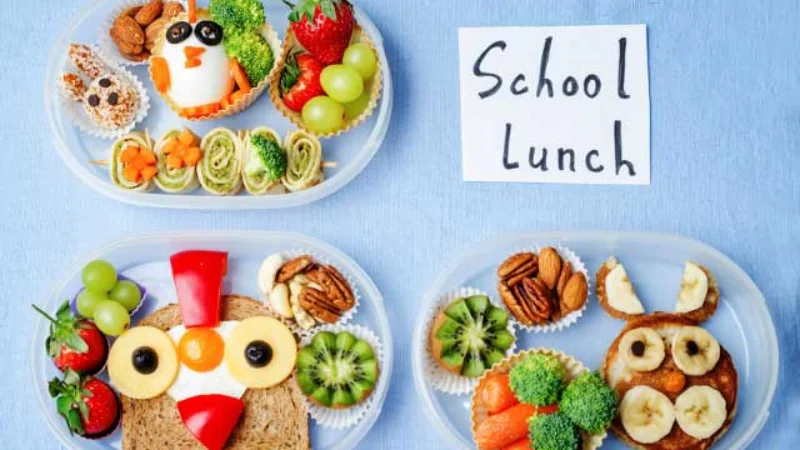
Healthy eating habits are very important for healthy growth, attention and learning ability of school-going children. One should not go to school without having breakfast every day, because breakfast helps to keep the child active and fresh throughout the day. It is good to have nutritious foods like milk, eggs, bread, fruit or oats for breakfast.
The tiffin taken to school should definitely be homemade and healthy. Instead of fried food and junk food, vegetable filled rotis, khichdi, sandwiches, fruits or nuts can be given. This will provide the children with the necessary energy and nutrition. It is also important to develop the habit of drinking enough water so that dehydration does not occur.
A balanced diet should be ensured for lunch and dinner. Rice or bread should be accompanied by vegetables, pulses, fish or eggs. Excess sugar, soft drinks and packaged foods should be limited, as they are harmful to health.
Finally, the family itself needs to set a good example. If parents eat healthy food, children will follow suit and can easily develop healthy eating habits.
- Never skip breakfast
- Put homemade food in your lunchbox
- Keep fruits and nuts
- Avoid excess junk food
Childhood Healthy Eating Habits and Mental Health
Childhood Healthy Eating Habits play a very important role in maintaining good mental health in children. Eating the right and nutritious food during childhood not only affects the growth of the body, but also the development of the brain and the ability to control emotions. The eating habits formed during this time have a long-term impact on the child’s mental state and behavior in the future.
A balanced diet rich in protein, omega-3 fatty acids, vitamin B, iron and zinc helps in the development of brain cells. Regular consumption of fish, eggs, milk, pulses, fruits and vegetables improves memory and learning ability. Adequate nutrition also helps in maintaining a child’s attention, which has a positive impact on studies and daily activities.
On the other hand, excess junk food, sugar and processed foods can cause restlessness, anger and lack of attention in children. These foods disrupt the normal functioning of the brain and increase mental stress. They should be kept away from such activities. Parents should keep in mind that healthy eating habits develop a positive attitude, confidence and mental stability in children.
Ultimately, Childhood Healthy Eating Habits lay the foundation for children’s healthy minds and beautiful lives, and help them develop into mentally strong people.
Children’s eating habits have a significant impact on their behavior and attention. Nutritious food helps children—
- Increases attention
- Increases interest in studies
- Reduces behavioral problems
Children’s eating habits in technology and modern life
Nowadays, the eating habits of children are changing due to the influence of mobile phones and TV. It is important to reduce screen time and create a habit of eating together with the family. Because children have to develop the habit of eating together with the family so that they cannot watch TV or mobile phones during mealtime.
“Children will not eat if they are not given chocolate” — Habitual problem
“Fast food never harms” — Completely wrong.
The impact of childhood healthy eating habits on future life
Childhood Healthy Eating Habits formed during childhood have a profound and lasting impact on later life. If a child develops the habit of eating a balanced and nutritious diet during this time, he or she can lead a healthy and active life as an adult. Healthy eating habits boost the body’s immune system and reduce the risk of long-term diseases such as obesity, diabetes, heart disease, and high blood pressure.
Good childhood eating habits also have a positive impact on future mental health. Children who eat nutritious food are generally confident, focused, and mentally stable. Their skills and decision-making abilities in education and work are also relatively much better.
All in all, Childhood Healthy Eating Habits lay the foundation for a healthy,successful, and happy future life.
Eating habits developed in childhood affect a child’s adult life—
- Promotes a healthy lifestyle
- Reduces the risk of chronic diseases
- Increases self-confidence
Conclusion
Childhood is the most important period of a child’s life, as it lays the foundation for their physical and mental growth. Childhood Healthy Eating Habits refer to the habits of children to eat balanced, nutritious and healthy food. Developing these habits helps in the overall development of the child, boosts immunity and strengthens mental health.
Children’s daily diet should include fruits, vegetables, milk, pulses, fish, eggs, whole grains and adequate water. Fruits and vegetables provide vitamins and minerals, milk and dairy products help strengthen bones and teeth, and protein-rich foods such as pulses, fish and eggs help in muscle and brain development. Whole grains also provide energy and keep the body refreshed for a long time.
Not only the nutritional value of food, but also the rules of eating are important for children. Eating at regular times, chewing slowly and avoiding excess junk food and sugar should be instilled in children.
Family support and example play a very important role in shaping a child’s eating habits. If parents eat healthy food, children also follow suit. Developing Childhood Healthy Eating Habits pays special attention to making children healthy, strong and mentally active people.
Childhood Healthy Eating Habits are not just a dietary habit, they are the ongoing foundation for a healthy future. If children can be interested in healthy eating in childhood, they will be able to live a healthy and active life throughout their lives. It is possible to develop a healthy food culture for children with the combined efforts of parents, teachers and society.