
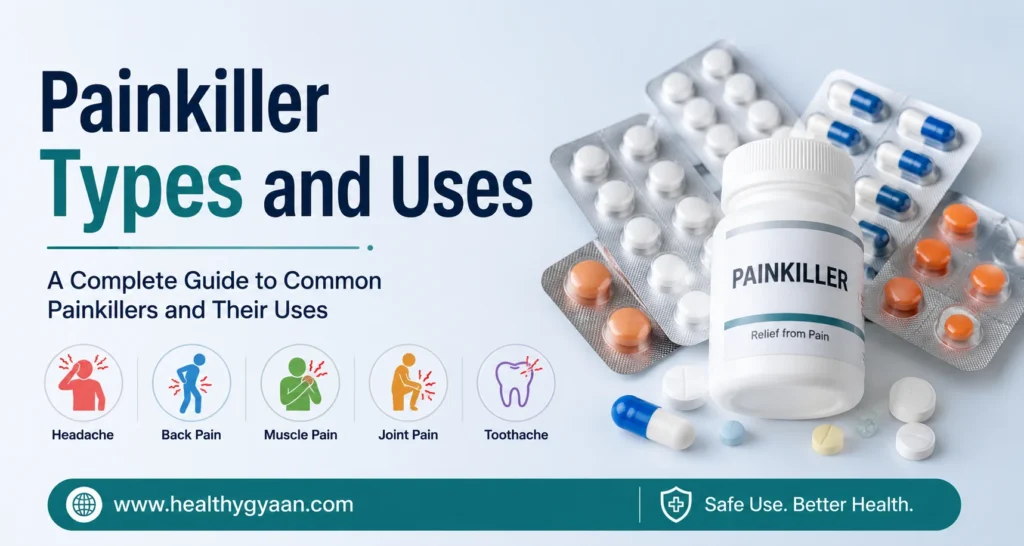
Painkiller types and uses: Understanding Pain Relievers for Safety
Painkiller types and uses vary significantly depending on the specific source of your discomfort and individual health factors for optimal recover
Any kind of pain in the body stops our normal life. We rely on medicines to get rid of unbearable pain.

Pain is a complex biological signal that tells our brain something is wrong within our physical system.
The type of medicine differs based on the type and severity of pain. If the right medicine is not selected, there is a greater chance of harm than good. Therefore, it is important for each of us to know which medicine works for which pain and the correct rules for using them. Quick recovery is possible through the correct use of painkillers.
Primary classification and efficacy of painkillers
Painkillers or painkillers basically prevent the body’s pain signals from reaching the brain or reduce inflammation and provide relief. Painkillers are divided into several categories in medicine.
There are different medicines for everything from simple headaches to long-term joint pain. Many people unknowingly take paracetamol or high doses of medicine for any pain. This can be very dangerous for the liver or kidneys. Their mechanism of action varies according to the chemical structure of the medicine.
Uses of paracetamol or acetaminophen
It is most commonly used for mild to moderate pain. It is mainly effective in reducing fever and relieving general physical discomfort.
Painkiller types and uses include acetaminophen as the most common primary option for mild discomfort.
It is quite safe for those who suffer from gastric problems. However, it should be remembered that taking more than 4 grams of paracetamol in 24 hours is dangerous. It works directly on the pain center of the brain and controls pain.
Importance of NSAIDs

This group of drugs reduces pain as well as inflammation or swelling in the body. Ibuprofen or naproxen belong to this class. They work great for bone joint or muscle pain.
However, these drugs should not be taken on an empty stomach, as it carries the risk of stomach ulcers. Doctors often prescribe these drugs for people suffering from bone pain. It helps control blood circulation and chemical reactions at the site of pain.
Warnings about opioid drugs
When ordinary painkillers do not work, doctors prescribe opioid or narcotic drugs. These are very strong and work directly on the nervous system. They are used after surgery or in severe cancer pain. However, there is a fear of addiction to these drugs, so they should not be touched without a doctor’s advice. Long-term use can have negative effects on the body.
Proper use of medicine according to the type of pain
The cause behind each pain is different, so the treatment should also be different. Many times, the root disease is covered up due to taking the wrong medicine. The common man should have a basic idea so that they can make the right decision in an emergency.
Effective solutions for toothache
Toothache is usually associated with nerves. Medicines from the NSAID group are more effective in this type of pain.
painkiller types and uses often categorize ibuprofen as highly effective for intense dental nerve pain relief.
If there is inflammation in the gums, a certain dose of medicine is given to reduce swelling. You should drink plenty of water after taking it. Taking this medicine for a long time without consulting a dentist can damage the gums.
Characteristics of nerve pain
Nervous pain or neuropathic pain is not easily reduced by ordinary painkillers. This requires a different type of medicine that soothes nerve irritation. In diabetic patients, they are used for burning or tingling pain in the soles of the feet. These medicines are usually taken before going to bed at night. Treatment for nerve pain can be long-term. Regular exercise and a combination of the right medicines can relieve this problem.
Headache and migraine remedies
Headaches can be caused by simple tension or migraines. Caffeinated medicines work well with simple painkillers for migraine pain. Taking the right medicines along with resting in a dark room can provide quick relief.
However, it is important for those who have regular headaches to have their blood pressure checked. Sometimes headaches can also be caused by eye problems. Therefore, instead of relying entirely on medicines, the root cause should be found.
Management of menstrual or period pain
Many women experience severe pain in the lower abdomen during menstruation. At this time, mefenamic acid or antispasmodic medicines reduce muscle contractions and provide relief. These medicines are quite effective along with hot water baths. However, it is better to avoid taking excessive medicines. Lifestyle changes and a balanced diet can reduce this pain to a great extent.
Proper rules and methods of taking medication

It is very important to follow some rules while taking painkillers. If the rules are not followed, side effects may occur. painkiller types and uses require following strict dosage guidelines to prevent long-term organ damage.
- Food: Most painkillers should be taken on a full stomach.
- Water: It is best to drink a full glass of water while taking the medication.
- Interval: There should be a gap of at least 4 to 6 hours between two doses.
- Alcohol: Drinking alcohol while taking the medication can seriously damage the liver.
- Gastric: It is often necessary to take gastric medications along with strong painkillers.
The role of painkillers in the treatment of long-term pain
Many people suffer from back, waist or bone pain for a long time. This is called chronic pain. The rules for using painkillers for this type of pain are completely different. For long-term problems, doctors usually determine the dosage of the medicine step by step.
Painkiller types and uses specify that chronic conditions need consistent medical supervision to avoid dependency.
Sometimes, along with painkillers, vitamins or supplements are given that strengthen the nerves and bones. It is not possible to eliminate long-term pain through medicine alone without proper exercise and lifestyle changes.
Joint pain or arthritis medicine
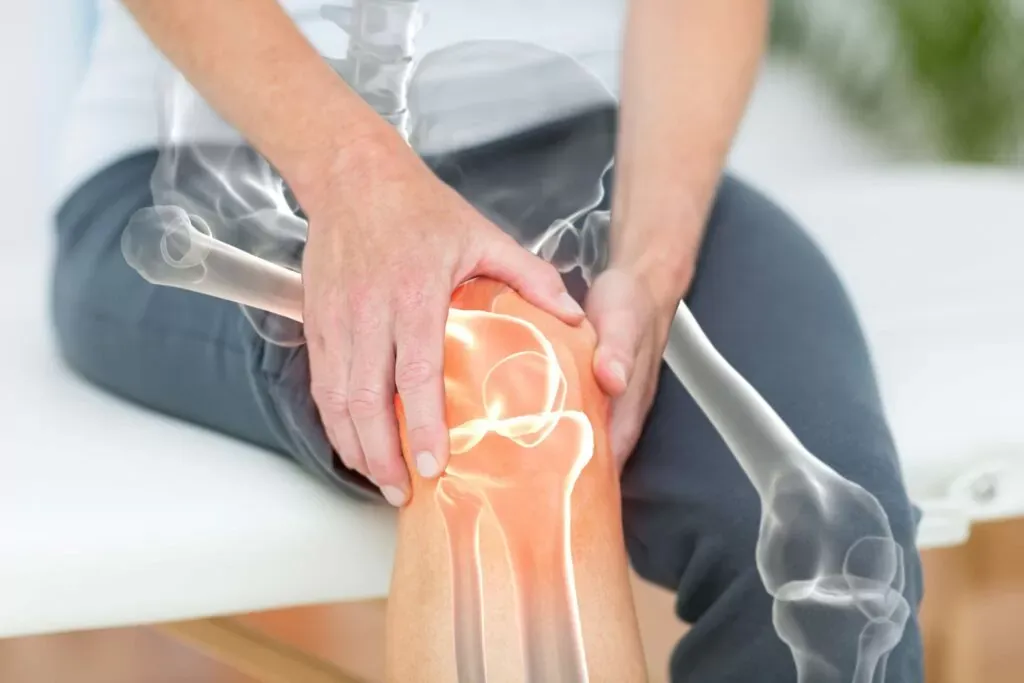
Arthritis pain is usually more common in the elderly. This pain causes swelling in the joints and makes it difficult to move. Doctors usually recommend using topical gels or ointments in this case. It does not directly affect the stomach.
However,
If the pain intensity increases, oral medicine or medicine taken by mouth is required. Regular massage and warm water baths to control joint pain increase the effectiveness of the medicine. Wearing the right shoes and losing weight also work like medicine in this case.
Muscle tension or muscle spasm solution
Muscle tension can occur due to excessive exertion or incorrect sleeping. In this situation, muscle relaxants are used. They reduce muscle stiffness and increase blood circulation.
Painkiller types and uses include muscle relaxants as secondary supportive therapy for acute strains and pulls.
Along with taking medicine for muscle pain, adequate rest and drinking plenty of water should be taken. Sometimes, when the salt balance in the body is disturbed, muscles tense up, so eating foods rich in potassium and magnesium works as an alternative to medicine.
Proper selection and comparison of painkillers
The table below summarizes the functions and uses of different types of painkillers, which will help you make a quick decision.
| Type of drug | Main function | Effective for which pain | Caution |
| Paracetamol | Reduces fever and general pain | Headache, mild body aches | Keep dosage in check to avoid liver damage |
| Ibuprofen | Reduces inflammation and swelling | Teethache, period pain | Must be taken on a full stomach |
| Diclofenac | Acute pain management | Bone joint and injury pain | Warning for kidney patients |
| Tramadol | Blocking nerve signals | Severe pain after surgery | May be addictive, use with caution |
| Mefenamic acid | Reduces muscle contractions | Menstrual cramps | May cause stomach problems with long-term use |
From this table, you can easily understand that not all pain is the same and all medicines work differently. Before using any medicine, it is important to make sure how safe it is for your body.
Possible Side Effects and Risks of Painkillers
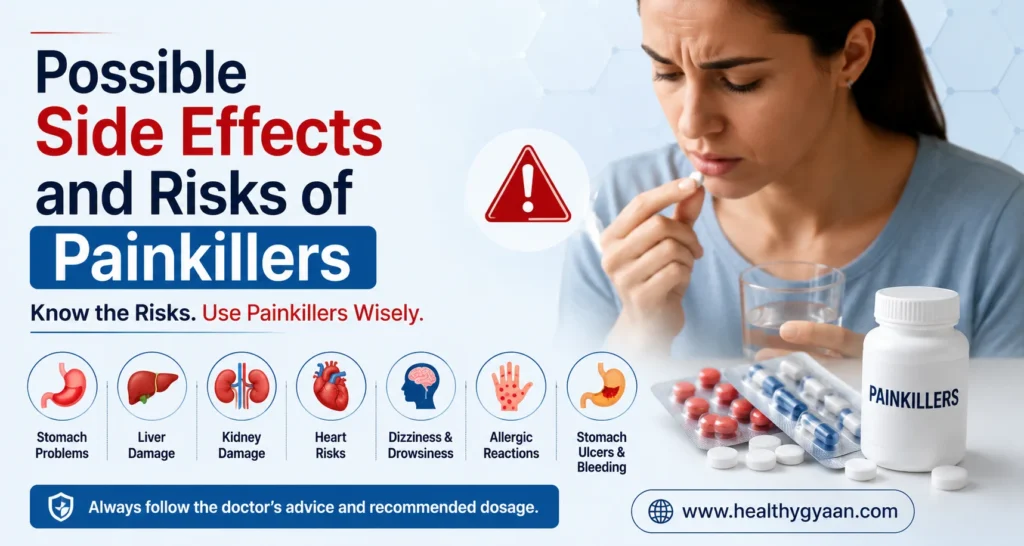
All medications have some side effects. Painkillers in particular put pressure on vital organs in our body.
Did you know that taking too much painkiller can permanently damage your kidneys?
Painkiller types and uses often highlight the risk of gastrointestinal bleeding when misused over time. It is always wise to try to heal naturally without taking medicine for minor pain.
Stomach and digestive problems
Medicines like NSAIDs can cause inflammation in the stomach lining. This can lead to problems like gastritis, heartburn, or ulcers. These drugs are quite risky for those who already suffer from acidity problems.
Doctors usually recommend taking an antacid or PPI along with painkillers. If you experience severe stomach pain or nausea after taking the medicine, you should contact your doctor immediately. Taking painkillers on an empty stomach means putting your stomach in danger.
Effects on kidneys and liver
Excessive consumption of paracetamol destroys liver enzymes. On the other hand, taking painkiller tablets for a long time reduces the filtering capacity of the kidneys. This is called ‘analgesic nephropathy’ in medical terms.
painkiller types and uses warn that those with pre-existing organ conditions should avoid high-dose relievers.
If you take painkillers regularly, it is important to have a kidney function test every six months. Drinking plenty of water helps flush drug toxins out of the body. Reducing your dependence on drugs is the biggest solution to staying healthy.
Increased risk of heart disease
Studies have shown that taking certain painkillers regularly increases the risk of heart attack or stroke. This risk is especially higher in those who have high blood pressure or a history of heart disease. These drugs can slightly increase the body’s blood pressure.
Therefore,
Doctors select painkillers very carefully for heart patients. Buying and taking high-dose medications from the pharmacy at your own discretion can be life-threatening.
Discover more here: Lifestyle diseases list
Natural Ways to Reduce Pain Without Medication
Natural methods are often more effective than medications. Have you ever applied hot water or ice to the painful area? This helps to reduce pain naturally by regulating blood circulation.
painkiller types and uses can be complemented by holistic practices like yoga and acupuncture for relief. Regular yoga keeps the muscles of the body flexible, which reduces the tendency to pain. Anti-inflammatory foods like ginger tea or turmeric milk help reduce internal inflammation in the body. Adequate sleep and a stress-free life greatly reduce the feeling of pain.
Cautions in the use of painkillers in pregnancy and children
The most sensitive group when it comes to the use of painkillers are pregnant women and children. At this time, the slightest misapplication of the drug can cause major physical complications. Usually, doctors do not want to give any kind of strong medicine during pregnancy unless it is absolutely necessary.
painkiller types and uses clearly state that aspirin should be avoided during pregnancy due to potential bleeding risks.
In the case of children, the dosage is also determined based on their body weight. Giving children half the adult medicine is a serious wrong practice that we must refrain from.
Choosing a safe painkiller for children
Paracetamol syrup is considered the safest for children’s general fever or pain. However, it is important to measure the correct amount according to the instructions written on the medicine bottle or the doctor’s advice. Many times, when children cry, parents give them medicine to calm them down without understanding, which is not right at all.
Painkiller types and uses suggest that liquid formulations are easier for a child’s digestive system to process effectively.
While children are still developing their bones and teeth, harsh painkillers can hinder their development. So it is best for children to try to reduce pain with home remedies.
Special medication management for the elderly
As we age, the function of the body’s organs gradually decreases. The heart, liver, or kidneys of older people are not as strong as they used to be. For this reason, great care must be taken when choosing painkillers for them. They are usually taking other medications for high blood pressure or diabetes, with which painkillers can interact.
Painkiller types and uses highlight the need for adjusted low-dose therapies for elderly patients with chronic aches.
In the elderly, using painkiller gels or patches for chronic pain may be safer because they do not enter the bloodstream directly and go to the stomach.
Painkiller Abuse and Psychological Effects
Sometimes our mental dependence on drugs becomes more than physical pain. This is called drug abuse or addiction in medical science. As our ability to tolerate minor discomfort decreases, we quickly reach for drugs.
Painkiller types and uses can lead to long-term psychological dependence if taken without a genuine medical necessity.
It is important to change this mentality. Keeping the mind calm and thinking positively often prevents us from feeling the intensity of pain. Calming the body’s nerves through meditation reduces the need for painkillers to a large extent.
Risks of Over-the-Counter (OTC) Drugs
In our country, it is very easy to buy drugs from pharmacies without a doctor’s prescription. These are called over-the-counter or OTC drugs. This ease of availability is making us lazy and unaware.
Did you know that taking painkillers regularly destroys the body’s natural pain resistance?
painkiller types and uses should never be experimented with, especially when self-medicating for severe internal pain.
It is the responsibility of every conscious citizen to read the leaflet inside the medicine packet carefully and know about its possible side effects. Whenever you are taking a painkiller, remember that it is only a temporary solution, not a cure for the underlying disease.
New horizons in pain management in modern medicine
Currently, medical science is emphasizing multi-modal pain management instead of relying solely on drugs. In this, advanced technologies such as physiotherapy, counseling and laser therapy are being used along with drugs.
This modern method has very few side effects and the results are much more sustainable. By improving the quality of life and changing dietary habits, many people are now living a healthy life without painkillers. The main goal of modern medicine is to find the root cause of pain and eliminate it.
Home and natural remedies as an alternative to painkillers
There are many ingredients around us that help reduce pain naturally. Since ancient times, people have been using ginger, turmeric and various herbal oils as an alternative to medicine. The curcumin component in turmeric is very effective in reducing inflammation in the body.
If you regularly mix a little turmeric with milk and eat it, the bone and muscle pain in the body will be largely under control. In addition, drinking ginger tea provides quick relief from headaches and nausea. These natural ingredients do not cause any direct side effects, so they are much safer for long-term use.
Many people suffer from neck or back pain due to sitting in front of the computer for a long time. In this situation, regular stretching or light exercise is more effective than medication. If the blood circulation in the body is good, the feeling of pain will naturally decrease.
Whenever you feel pain in any place, you can massage the area with lavender oil or oil made from mint leaves instead of taking painkillers. The cool sensation of mint calms the nerves and helps in relieving pain quickly. These natural methods also strengthen the body’s immune system.
Positive changes in diet and lifestyle
Our body’s ability to tolerate pain increases or decreases based on what is in our daily food list. Foods rich in magnesium and calcium keep bones and muscles strong. Eating spinach, nuts, and bananas regularly reduces the problem of muscle cramps or tension.
Even if you do not drink enough water, muscles can tense up, so make it a habit to drink at least 8 to 10 glasses of water every day. Many times, severe headaches occur due to dehydration, which we try to reduce with simple medicines.
In fact, a glass of water can be the real solution to that pain.
Our body can also experience various types of pain due to mental stress. This is called ‘psychosomatic pain’. Excessive thinking or worrying causes the muscles of the body to tighten, which results in long-term back or neck pain. Doing deep breathing exercises or meditation for at least 10-15 minutes every day calms the mind and the muscles of the body start to relax. Good sleep is the biggest medicine to fight pain. During sleep, our body cells repair themselves, so regular 7-8 hours of sleep is essential to stay healthy.
Social awareness to prevent the abuse of painkillers
A big problem in our society is taking medicine on the advice of others. We also start taking it because someone in the next house has had good results after taking a medicine. This is a seriously wrong approach.
Everyone’s body structure, disease type and tolerance are different. A medicine that is effective for you may be like poison for someone else. This risk is especially high in the case of antibiotics or strong painkillers. Taking medicine for a long time without consulting a doctor means sowing the seeds of a major disease in the body without knowing it.
The tendency to go to the pharmacy and buy medicine directly should be reduced. Instead of taking painkillers immediately for minor injuries or common colds and fever, one should focus on adequate rest and natural remedies.
If the pain lasts more than 3 days or there is fever and swelling of any part of the body along with the pain, it is important to seek help from a specialist doctor without delay. Hiding the disease or treating it on one’s own will never bring any benefit. If social awareness increases, the misuse of medicine will decrease and we will be able to develop as a healthy and strong nation.
Taking care of the body is not a luxury, it is the foundation of our existence. The key to a pain-free life is a disciplined daily life.
Eating food at the right time, getting enough rest and keeping the body active – if you pay attention to these three things, the need for painkillers will automatically decrease. Love your body naturally and reduce your dependence on artificial medicines. These small changes for a healthy and beautiful life will one day bring big benefits.
Conclusion
Any pain in the body is a warning that should not be ignored. However, relying solely on medicine as a solution to pain can cause long-term damage to our health. We need to be more responsible when using painkillers. Just as choosing the right medicine at the right time can save lives, using the wrong medicine can lead to terrible consequences like liver or kidney failure. Always try to start treatment with the lowest dose of medicine and stay healthy in a natural way. Regular exercise, balanced diet and adequate rest play a more effective role than medicine to keep life moving.
Remember, your body is yours and it is your responsibility to ensure its safety. Always consult a registered doctor instead of buying medicine from any pharmacy. A little awareness can give us a beautiful and pain-free future. Awareness and a disciplined lifestyle are more important than medicine for a pain-free life. Learn to understand your body language and take proper care of it accordingly. Staying healthy is not just a matter of luck, it depends on our right decisions.