
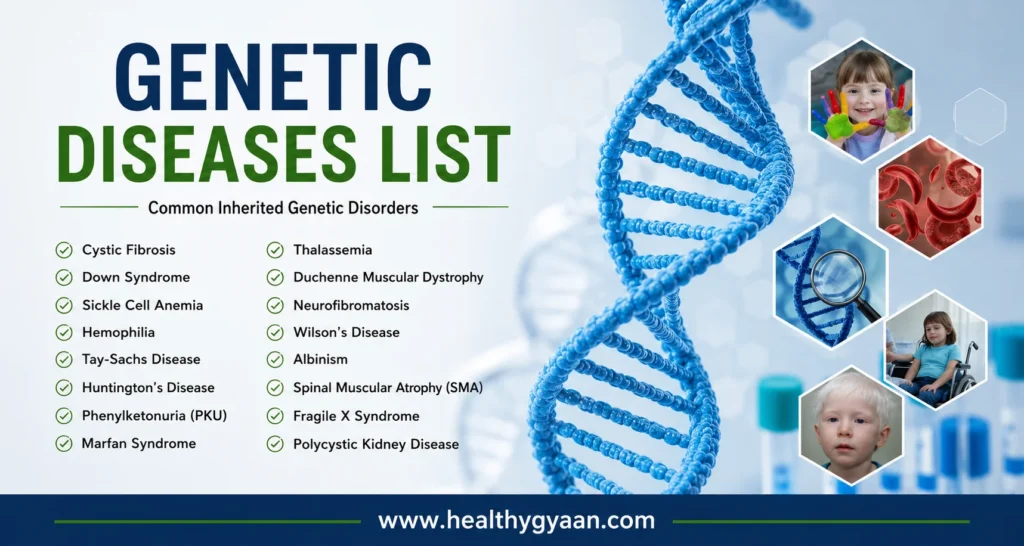
Complete Genetic Diseases List And Their Common Symptoms Explained
Most of us are constantly exposed to genetic diseases. Some common symptoms, causes, treatment and prevention of Genetic Diseases List are presented in simple language with realistic information.
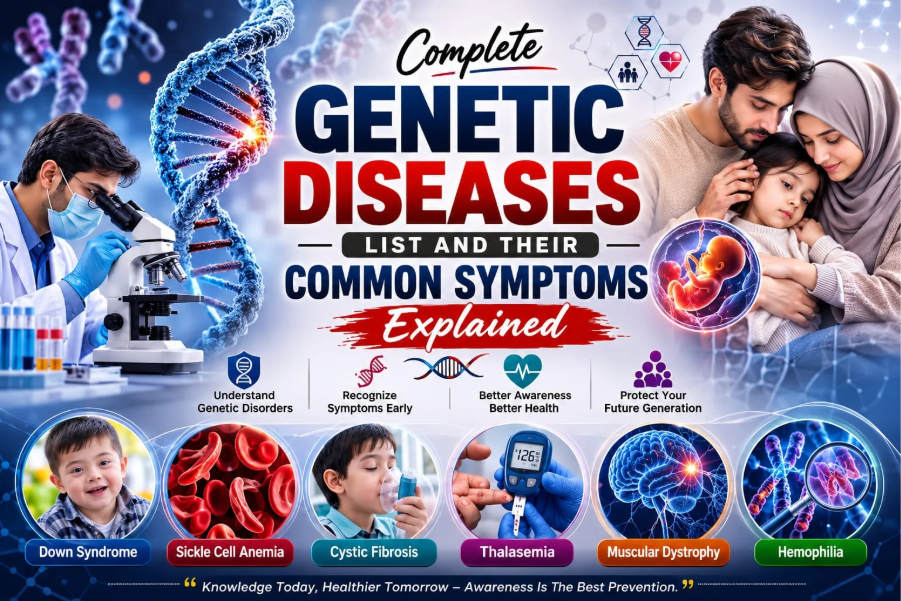
Hereditary diseases are serious health problems. They are transmitted from one generation of a particular family to another through genetics. That is, the disease of one person in the family continues from generation to generation. There are some diseases that are manifested from birth, while there are some diseases that are not manifested immediately after birth. The symptoms of diseases that are not manifested after birth, are fully manifested after childhood or adulthood.
Among hereditary diseases, there are some diseases that are very rare. Several diseases continue to influence the health and well-being of people worldwide. So we should gain detailed knowledge about all these diseases.
The severity of symptoms and the risk of complications can differ from person to person. There are some diseases that specifically attack one organ. There are some diseases that damage multiple organs.
However, you will be happy to hear that due to the progress of modern medical science, most hereditary diseases are being identified and treated quickly. As a result, it is possible to reduce the mortality rate.
In addition, knowing the family health history, getting genetic testing done if necessary, and consulting a specialist doctor can be helpful in assessing future health risks.
What Are Genetic Diseases And Why Do They Occur?
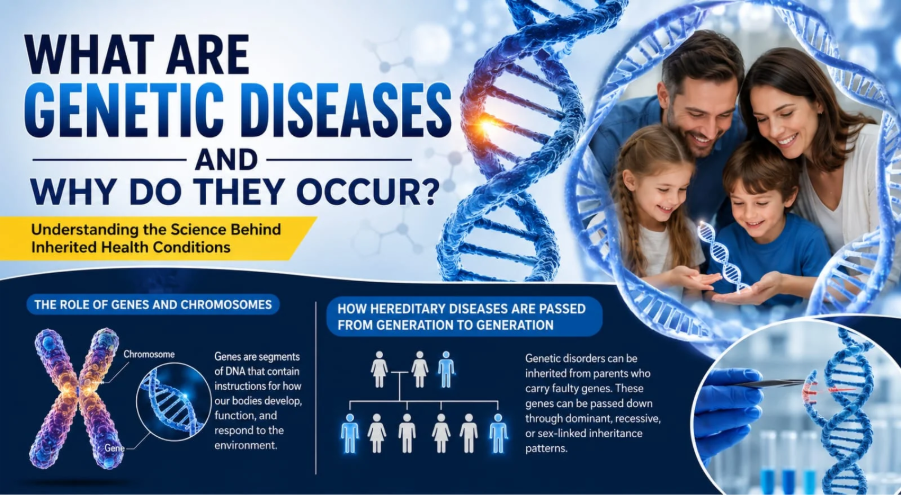
First we need to gain knowledge about the Genetic Diseases List. Genetic diseases are a type of health problem that is caused by changes in genes or chromosomes and these diseases are passed on from generation to generation.
However, not every disease can be hereditary. There are some diseases that are caused by new DNA changes. The symptoms and time of manifestation of these diseases may vary from person to person. So we need to take proper treatment and lead a healthy life as per the doctor’s advice.
The Role Of Genes And Chromosomes
Genes and chromosomes play an important role in controlling the physical structure of humans and various physical characteristics. We know that a specific part of DNA is called a gene. This part carries various hereditary information and transfers it from one generation to another.
And this chromosome contains those days in an orderly manner. Genetic diseases are caused when there is a change in some common parts of a gene or a change in the number or structure of a chromosome.
How Hereditary Diseases Are Passed From Generation To Generation
To get an idea about Genetic Diseases List, we first need to know how these hereditary diseases spread from one generation to another?
Hereditary diseases are usually transmitted from parents to children through genes. When a damaged or mutated gene is inherited by children from one or both parents, a specific genetic disease occurs.
However, not every child is affected by a devastating disease in the same way. It depends on the type of genetic damage and the inheritance pattern of the parents. Therefore, we should first gain a good knowledge about the family health history and, if necessary, do genetic counseling.
Genetic Diseases And Common Symptoms
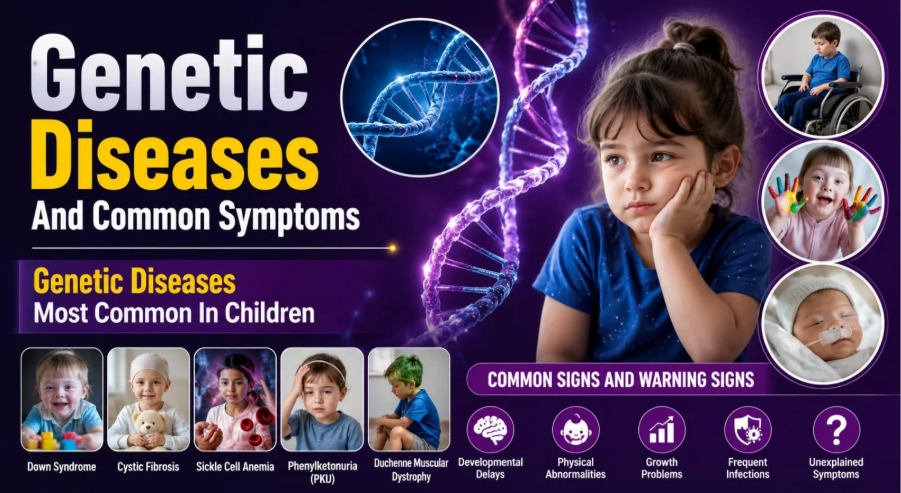
The symptoms of various genetic diseases are not the same for every person. The severity and presentation of symptoms depend on the specific disease. In some cases, the symptoms of genetic diseases can be observed shortly after birth, while in others, these symptoms appear at different stages of life.
However, there are usually some symptoms such as stopping physical growth, getting sick repeatedly, facing vision or hearing problems or muscle weakness, etc. In the end, we constantly see these types of symptoms in different patients.
Discover more here: Layered egg and deviled egg macaroni salad
Genetic Diseases Most Common In Children
After gaining special knowledge about Genetic Diseases List. A large number of genetic diseases are commonly observed in children. These diseases are usually treated if they are not treated early, it is possible to reduce complications and improve the quality of life of the child.
- Down Syndrome: The main cause of this disease is an extra chromosome. As a result, the child’s physical growth and learning ability are much reduced compared to normal.
- Cystic Fibrosis: This disease is mainly a lung and digestive system disease. At the same time, it is a hereditary disease. Various types of infections occur in the lungs of the affected child.
- Sickle Cell Disease: Due to this disease, the shape of red blood cells becomes abnormal. As a result, blood flow is disrupted and severe headaches occur.
Common Signs And Warning Signs
| Symptoms | Warning Signs |
| Excessive Fatigue | If it lasts a long time, consult a doctor. |
| Unexplained Weight Loss | Should be tested quickly |
| Recurrent Fever | It is important to determine the cause. |
| Shortness Of Breath | If severe, go to the hospital immediately. |
| Seizures Or Fainting | Urgent medical attention is needed. |
Main Causes And Risk Factors Of Genetic Diseases
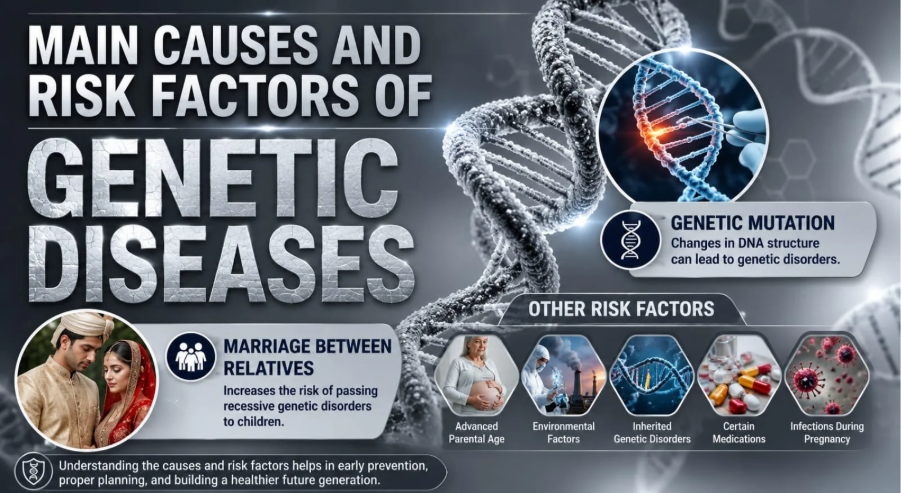
After knowing the Genetic Diseases List, we need to gain detailed knowledge about the main causes of these diseases. Most genetic diseases are due to defective genes or changes in chromosomes inherited from parents. However, in all cases, defective genes do not come from parents, in some cases, genetic mutations can occur automatically.
Marriage within the same family or close relatives and marriage between people carrying certain genetic defects increases the risk of genetic diseases relatively.
Genetic Mutation
Genetic mutations are basically permanent changes in the structure of DNA or genes. Changes that occur during normal cell division or due to external changes. In some cases, these changes receive harmful signals. In other cases, they are beneficial.
Harmful genetic mutations disrupt the normal protein journey of the body. Also, harmful genetic mutations cause various types of diseases that continue from generation to generation.
In some cases, these mutations come from parents, and in some cases, they are newly created during a person’s lifetime.
Marriage Between Relatives And Other Risk Factors
By checking the Genetic Diseases List, we understand that the risk of genetic diseases can increase if close relatives marry. There is a possibility of having the same defective gene or DNA among close relatives.
The risk of this disease can also increase due to the history of genetic diseases in the same family, as well as the effect of new gene changes and having children at an older age. Genetic counseling before marriage or planning for children can help reduce potential health risks. This will ensure the health protection of future generations.
How Are Genetic Diseases Diagnosed?
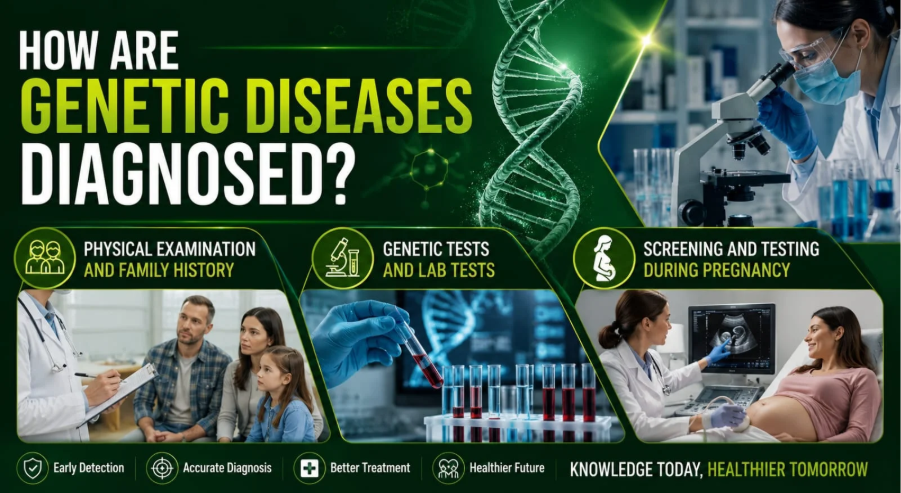
To diagnose Genetic Diseases, the symptoms of the affected person must first be identified and the family history of the affected person must be known well. Physical examination can also be a good way to diagnose genetic diseases.
To diagnose genetic diseases more accurately, blood and other biological samples should be tested. It is now possible to diagnose genetic diseases more accurately by analyzing DNA or through chromosome testing. These tests are done in special laboratories.
Genetic screening during pregnancy before giving birth can also be a great way to diagnose the disease.
Physical Examination And Family History
A physical examination and a thorough family history are also very important in diagnosing Genetic Diseases List. At this stage, a doctor carefully observes the physical characteristics of the affected person, such as growth, development, and other symptoms.
At this stage, it is also known in detail whether the affected person’s family has had similar diseases before or whether the symptoms of this particular disease appeared at a young age.
This information is particularly helpful in identifying genetic diseases and this step also plays an important role in deciding whether the necessary genetic tests should be performed.
Genetic Tests And Lab Tests
One of the most reliable methods for diagnosing diseases is genetic testing. It is done in the laboratory using advanced equipment. Due to this, it can accurately identify the causes, signs and symptoms of genetic diseases.
In this method, various biological substances such as blood, saliva or other compound samples are usually collected from the affected person to diagnose genetic diseases. Through all these, specific changes in DNA and other chromosomes are observed.
If necessary, these tests can also be done by performing biochemical tests and specialized lab tests. Through all these methods, appropriate treatment is given by identifying whether the affected person is a carrier or a patient.
Screening And Testing During Pregnancy
This test is done during pregnancy at a specific time as per the doctor’s advice through Genetic Diseases List.
First, the mother’s blood sample is analyzed, then the risk of some genetic and congenital problems of the fetus is analyzed through ultrasound. As a result, the congenital biological mutation or risk of the baby is known in advance.
If necessary, fetal cells are collected through chorionic villus sampling (CVS) or amniocentesis and genetic testing is done. All these tests are done through state-of-the-art technology. As a result, the risk of undetected genetic disorders is reduced through early identification. It also becomes much easier to take a treatment plan because someone has used it before.
Treatment And Management Of Genetic Diseases
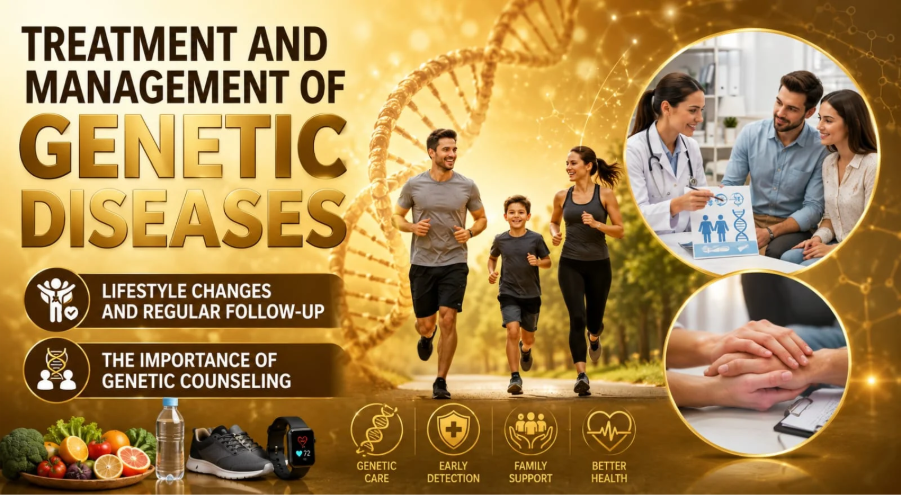
The treatment and management of genetic diseases depends on the type of disease and the physical condition of the affected person. Most of the time, genetic diseases cannot be completely cured. But it is possible to control the symptoms by taking medicines regularly, making some changes in diet, having regular health check-ups, and consulting an experienced doctor in this regard.
Genetic counseling also helps the patient and his family members to get an idea about the future happiness and to decide on a better treatment plan in this regard.
Lifestyle changes and regular follow-up
According to the Genetic Diseases List, a healthy lifestyle and regular follow-up play an important role in monitoring disease progression, reducing complications, and maintaining a good quality of life in the long term.
- Maintain a balanced and nutritious diet.
- Get regular light exercise or be physically active.
- Give importance to adequate sleep and stress management.
- Complete the necessary blood or other lab tests on time.
- Contact the doctor immediately if any new symptoms appear.
- If necessary, receive genetic counseling before family planning.
The Importance Of Genetic Counseling
- Helps assess potential risk if there is a family history of genetic disease.
- Provides scientific insight into the possibility of a future child having a genetic disease.
- Provides sound advice on which genetic tests are needed and when they should be done.
- Helps understand test results in simple language and explain their meaning.
- Advises on appropriate screening and prenatal testing options during pregnancy.
- Helps plan appropriate treatment, monitoring and support services for the affected person and family members.
- Reduces unnecessary anxiety and creates an opportunity for realistic information-based decision-making.
- Also provides guidance to other family members regarding genetic risk assessment and testing, if necessary.
Conclusion
If we can get the right idea about Genetic Diseases List, genetic diseases can be easily identified and preventive measures can be taken. Also, timely treatment reduces the mortality rate. We need to gain knowledge about all these things to ensure good family health. We have learned through this discussion that genetic diseases can never be completely prevented, but if we are aware and take appropriate treatment methods, then it will be possible to reduce the complications of the disease.
It is possible to reduce the complications of the patient by taking decisions according to the advice of an expert doctor or by conducting genetic tests. If screening is done at the scheduled time during pregnancy, the complications of the child can be known much earlier and it is possible to take treatment methods in advance. In addition, leading a healthy life and following the doctor’s advice regularly also increases the chances of preventing the disease.
By taking advanced treatment plans as needed and following the doctor’s advice, the long-term health of yourself and your family can be ensured.