
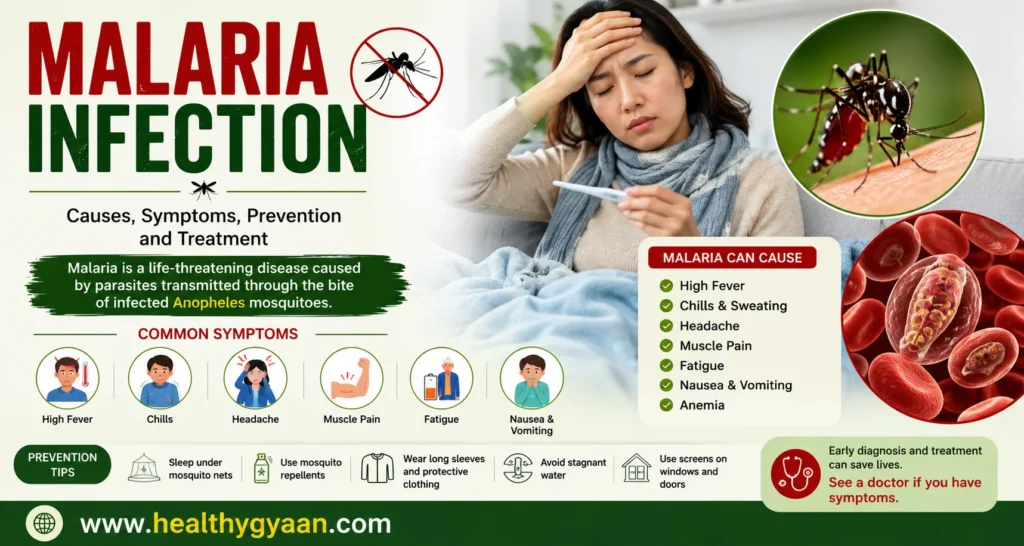
Malaria infection Prevention for Global Travelers: A Comprehensive Safety Guide for You and Your Close Ones
The proper planning of an adventure abroad for you is incredibly exciting, but packing up your bags shouldn’t mean that you leave your health to chance.If you’re heading to a tropical and endemic destination, malaria is a word that you’ll likely encounter and for good reason.This life-threatening disease that generally spread by infected mosquitoes,can rapidly turn your dream luxury trip into a medical crisis.However,there is a good news for you as It is entirely preventable for you.To staying safe isn’t about luck; it’s about you ensure a smart as well as layered defense.
In this guide, we’ll cut through the medical jargon to explain exactly how malaria infection works with its key symptoms, and the expert-approved “ABCD” approach.These measures can certainly help you to keep yourself fully protected on your travels.
What Happens When Malaria Enters Your Body?
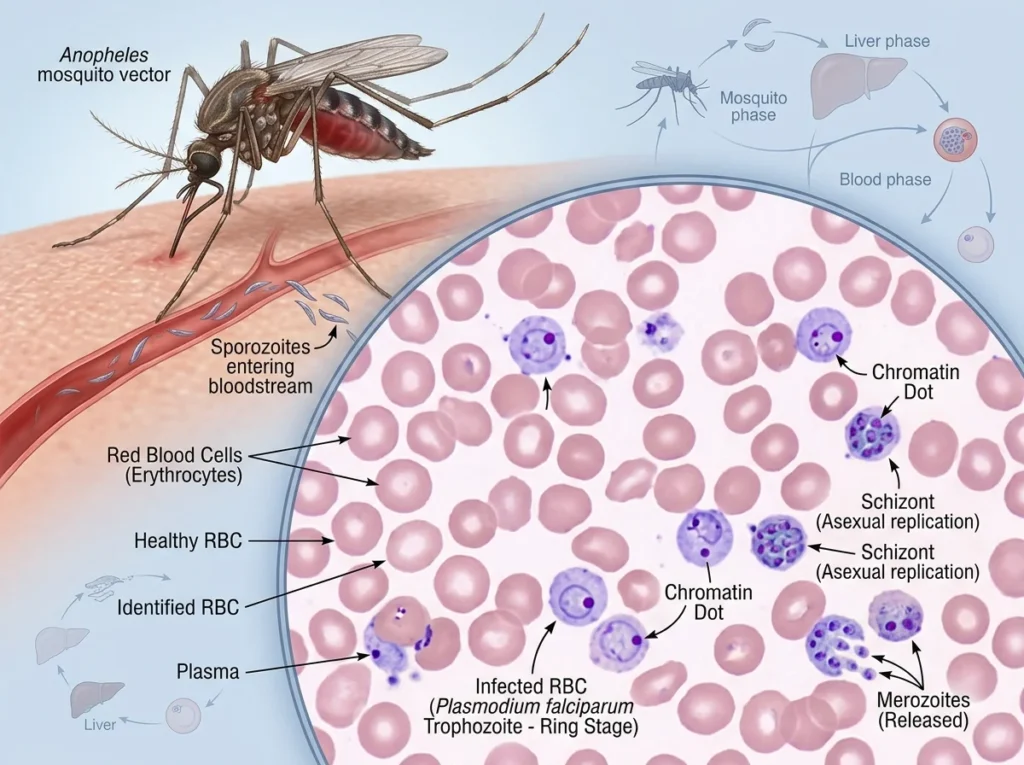
Malaria is in fact a life-threatening infectious disease and it is due to a microscopic parasite namely Plasmodium.This primary transmission of this parasite to humans generally happens through the bites of infected female Anopheles mosquitoes.
Once they are able to enter into the body, the parasites love to travel to the liver as well as become mature.Therefore,they tend to infect red blood cells of the human body and ultimately cause severe flu-like symptoms to the infected person.
How Does a Single Mosquito Bite Lead to Infection within Your Body?
As malaria is a mosquito-borne disease and the main culprit of this disease is Plasmodium which is actually a parasite,the disease spreads from person to person through the bite of an infected Anopheles mosquito.It is in fact the only mosquito species in the entire world that can carry malaria parasite and thus help cause malaria to the human.
Once the parasites enter the bloodstream through the bite of anopheles mosquito, they will travel to the human liver and they can remain dormant from a week to almost 10 months.After this event,they generally start to reproduce quickly and infect your body’s red blood cells.Therefore,you can experience some common malaria infection symptoms like chills,fever and other flu like features as well.
How many Plasmodium species are known to infect humans?
There are mainly four types of malaria parasite and these are plasmodium vivax,plasmodium falciparum,plasmodium ovale and plasmodium malariae in which the Plasmodium falciparum is the most deadly.Moreover the plasmodium falciparum species eventually lead you to seizures, kidney failure as well as coma and death when it is left untreated carelessly.
However,in accordance with the WHO’s report of the WHO,the majority of confirmed malaria infection cases actually happens in Southeast Asia and Plasmodium falciparum is the sole culprit in those areas.
What are the symptoms you can face when you have malaria?
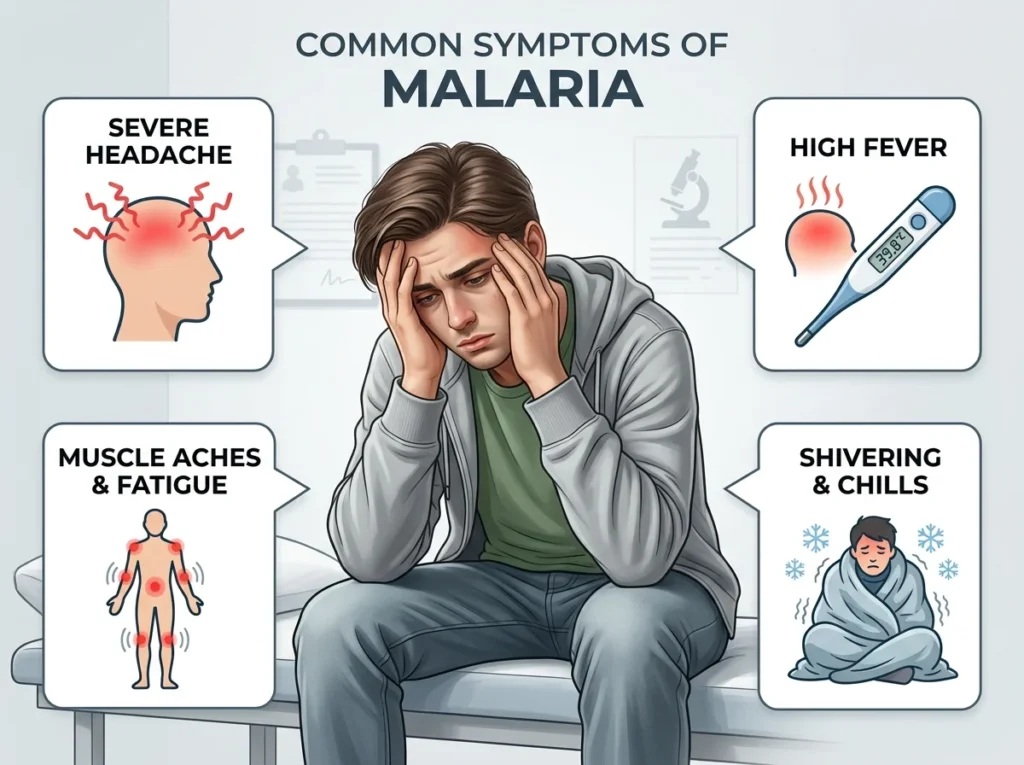
There are generally many symptoms or features of the malaria infection and most of them are actually flu like in nature.However,there are some cases where it can not manifest any kind of features at all and can remain dormant for long period of time.The general features comprise:
| Initial Features of Malaria | |
| High Fever | Muscle Aches |
| Shaking Chills | Muscle Weakness |
| Headaches | Excessive Sweating |
| Nausea and Vomiting | Diarrhoea |
Why do you need to become extra cautious as a traveller?
It is more likely for you as a traveller from a non-endemic to be more vulnerable to the full impact of malaria while the locals who often develop partial immunity over the progression of time.Even a short trip of you can pose a significant risk to get the malaria infection particularly if you can not ensure proper preventive steps.
There is also a point to be noted that pregnant women with young children, and immunocompromised individuals are among the groups who are usually at greater risk to have the complications.
Healthcare providers advise that safe travel planning goes beyond a destination’s generic risk rating. A complete health assessment must blend those local risks with the traveler’s length of stay with accommodation style, planned activities, and baseline physical health.
Explore more here: Thanksgiving egg roll and chiness egg roll
Four-Pronged appropriate Approach for Malaria Prevention for you
When it is about avoiding malaria,there is no single method that can fully guarantee your complete protection.For these reasons,experts tend to recommend a combination of strategies that sometimes referred to as the “ABCD” approach.The approach conclude Awareness with Bite prevention, Chemoprophylaxis, and prompt Diagnosis of the malaria infection.
1.Awareness of Risk of malarial infection for you
Before you start travelling, it’s very crucial to research whether your destination poses a significant malaria risk or not.The risk actually can vary not just by distinct countries but it may be within different regions of the same country or sometimes it is even by season.Resources suggest you to go through the travel website or get proper consultation with a travel health clinic,it can definitely help you provide up-to-date information on current malaria hotspots as well.
The awareness also means that you are in good shape recognising the symptoms of malaria.These flu like features typically appear 7 to 18 days after you are bitten but can eventually take up to a year to present as a malaria infection.Early signs of malaria include fever with headache, sweats, and muscle pains and these all are often resembling flu within your body.
It is advisable for you to seek medical advice immediately If you’ve been to a malaria-prone area and feel unwell or sick even if you experience those features after months have passed since your return.
2.Anopheles mosquito Bite Prevention methods
If you are able to avoid mosquito bites,it is one of the most effective and successful ways to reduce your risk of getting malaria.Anopheles mosquitoes that are the culprit to transmit malaria are most active from dusk till dawn.That is why you had better ensure extra caution over the course of these hours.
When you wear long-sleeved clothing and trousers in light colours,it can definitely create a well furnished physical barrier.There is also an insect repellent which contains 50% DEET (diethyltoluamide) and it is widely considered or recommended as the most effective one not to get mosquito bite.However there are some distinct alternatives as well and they are picaridin or lemon eucalyptus oil that may also offer you protection.
What are other measures you need to take to prevent malaria?
For the best protection, apply insect repellent to all exposed skin and reapply it according to the label on it.This is especially important in humid weather. If your accommodations are rural or open-air or you are forced to sleep under a treated mosquito net is highly recommended.
If you’re staying in a standard hotel or motel, just make sure the doors and windows have intact screens. Therefore,if you have the luxury to use air conditioning during the stay,you’d better use them to reduce mosquito activity indoors.
3.Chemoprophylaxis or effective Antimalarial Medication for your safety
The appropriate intake of antimalarial tablets is a cornerstone of malaria infection prevention when you are on your trip to high-risk endemic areas.The right and effective medication actually depends on your certain destination with medical history and itinerary.
Common options as antimalarial medication conclude:
- Atovaquone/proguanil (Malarone):It is generally easy to tolerate within your body and also suitable for last-minute travel and you need to start them just one to two days before your arrival and continue for seven days after leaving.
- Doxycycline:It remains as another good option when you are long-term travellers.However,it can increase your sun sensitivity and therefore it isn’t suitable for pregnant women or those children who are under 12.
- Mefloquine(Lariam):It is another better option for malaria infection and experts recommend taking it on a weekly basis.The reason behind is that it can erupt some potential neuropsychiatric side effects and therefore it’s not suitable for everyone.
It’s very important for you to complete the full course of tablets as directed by the health professional even after returning home.The inadequate intake with skipping doses or stopping early can potentially leave you vulnerable to infection.
4.Prompt Diagnosis with timely Treatment for malarial disease prevention
Even if you ensure all available precautions,you can eventually get the malaria as no method is 100% effective.When you develop symptoms that are suggestive of malaria infection at the time or after your trip even months later,you always had better seek medical help without further delay.Therefore you are required to Inform your doctor about your travel history and this is because it can be helpful for the early diagnosis.
Thus it can provide you great improvement of the outcome from having the disease.It is better for you to carry the standby emergency medical care of the malaria disease if you travel to a very remote area where professional medical care can not be achived.However, SBET(standby emergency medical care) should only be used with proper caution under professional medical guidance and in specific circumstances.
Special Considerations for High-Risk Groups or people who can get malaria
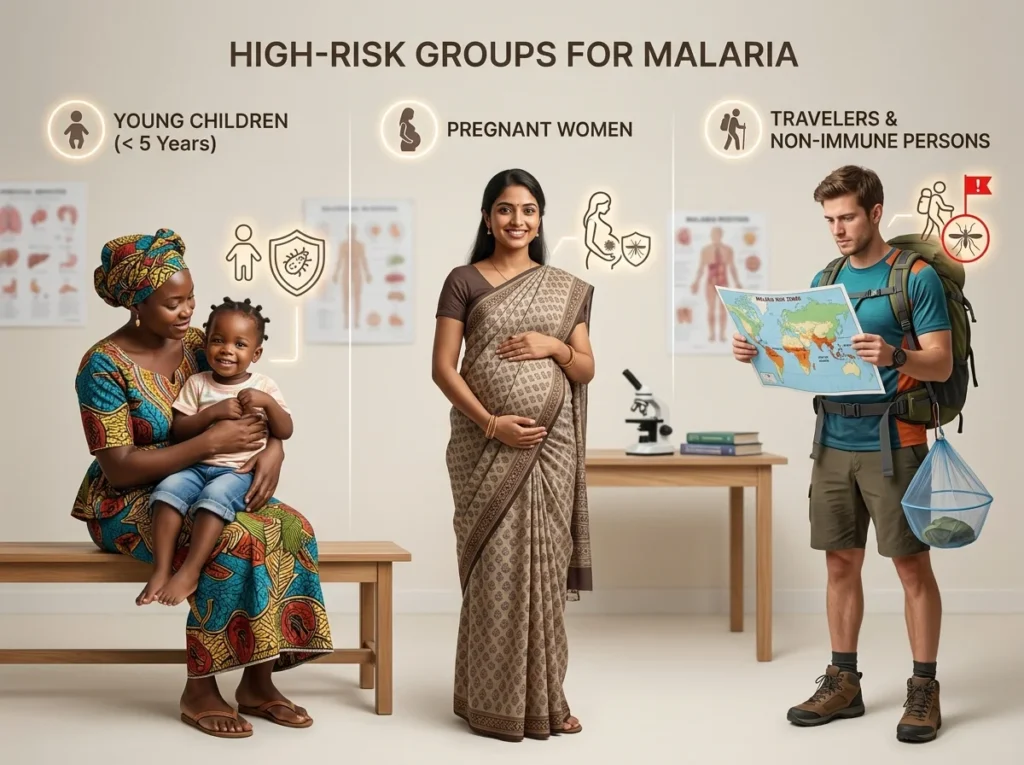
There are certain travellers who generally require additional precautions in order to avoid the potential risk of having malaria.Experts always recommend pregnant women not to travel in malaria endemic areas as it can definitely increase the risk of harmful and life threatening both maternal and foetal complications.
If it is not possible to avoid travel,effective and meticulous bite prevention with carefully selected medication can play a vital role to fight against the malaria infection.
Young children, particularly those under five, are at a much higher risk of getting dangerously sick from malaria. It’s highly recommended to protect them by using proper antimalarial meds with mosquito nets and long-sleeved clothing.
Why Your Malaria Defense Should Start Right Now
It is Ideal for you to visit a travel clinic at least six to eight weeks before you want to depart from your homeland.This ultimately allows you enough time to assess the risk of malaria infection with proper discussion of antimalarial options.Moreover these will also ensure you whether you require any other necessary vaccinations or effective health measures for prevention coverage of malaria.Last-minute travellers can still benefit, but options may be more squished with definitive limitation.
Travel clinics do a lot more than just write prescriptions.They keep you in the loop with local safety alerts with destination-specific health updates, and personalized care plans. It’s all about giving you peace of mind that helps keep you healthy so you can actually enjoy your vacation.
What do you actually need to do as a long term traveller?
Long-term travelers,such as expats and aid workers can benefit from a proactive health strategy that includes routine check-ups.To best support them, healthcare providers should offer personalized consultations that account for both the individual’s medical profile and their specific workplace exposures.
FAQs
Q.How do you actually and eventually get malaria?
You can catch malaria infection within your body when an infected female Anopheles mosquito bites you and transfers a microscopic parasite into your bloodstream.
Q.Is it possible you catch malaria directly from another person?
No, it isn’t contagious like a cold or the flu and that is why you cannot catch it simply by being around someone who gets the infection.
Q.How soon will you experience features if you have a malaria infection?
Flu-like symptoms usually kick in about one to four weeks after an anopheles mosquito bite though the parasite can sometimes remain dormant in your liver for months.
Q.Is there any vaccine that guarantees you not to get it?
While vaccines exist for children who live in high-risk regions, travelers primarily protect themselves by timely intake of prescribed antimalarial pills and ensure preventive steps for mosquito bites.
Q.What should you do first if you feel flu-like after arrival from your trip?
You should see a doctor immediately and explicitly share your recent travel history because early diagnosis and treatment are crucial for your full recovery.